




Traditional Kitchen Unit
A traditional kitchen unit brings robust storage and enduring domestic utility to the heart of the home, drawing on centuries of vernacular design.
Traditional Kitchen Unit
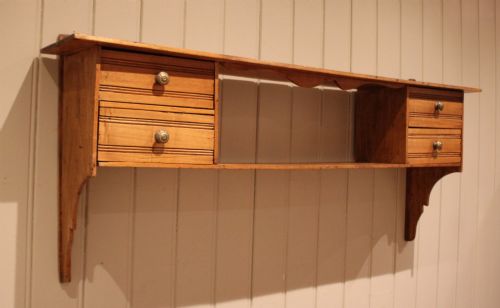
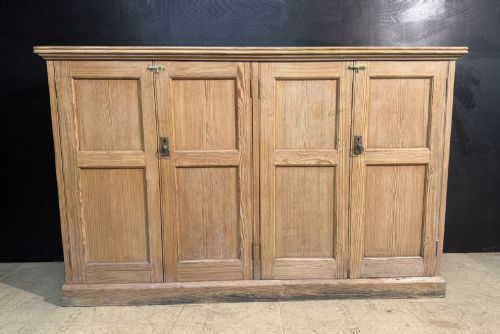
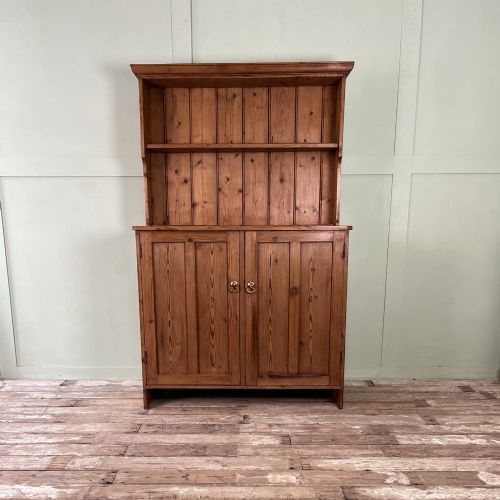
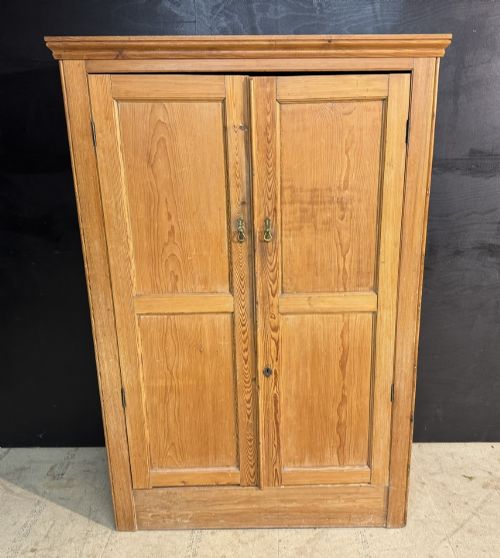
A traditional kitchen unit encompasses heavy storage furniture built for domestic food preparation and pantry organisation, spanning the eighteenth, nineteenth and early twentieth centuries. These pieces originate from various regional traditions including English Country, French Provincial and Rustic Farmhouse aesthetics.
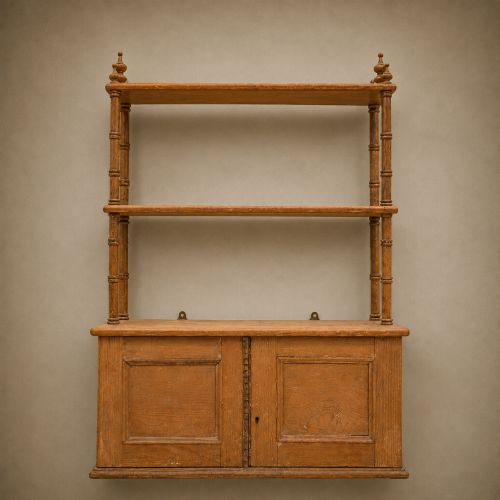
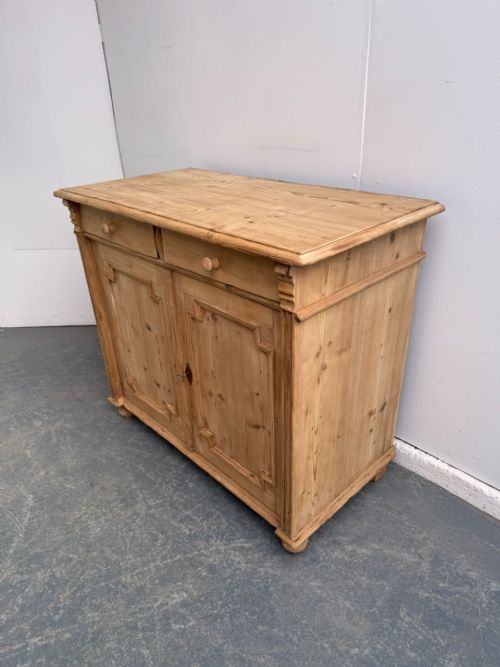
The buyer most frequently encounters substantial timber dressers and larder cupboards on this page. These forms combine lower base cabinets with upper plate racks or enclosed shelving to display and store household crockery and provisions.
Examples range from early eighteenth-century oak and pine housekeepers cupboards to compact Edwardian plate racks and painted nineteenth-century storage furniture. Each unit reflects the practical demands of historic kitchens before fitted cabinetry became standard.
Materials and Construction
Construction relies heavily on durable domestic timbers such as oak and pine, frequently chosen for their structural strength and availability. Cabinetmakers also utilised cedar and mixed woods alongside traditional painted finishes to protect and decorate the surfaces.
Metal components are limited to functional iron and brass hardware, including hinges, latches and drawer pulls that secure heavy doors and compartments. Joinery techniques prioritise utility and longevity, resulting in sturdy carcasses designed to endure heavy daily use in busy domestic environments.
Traditional Kitchen Unit Retail Price Guide 2026
Typical asking prices for traditional kitchen unit among the pieces listed under this phrase on Sellingantiques today, from the lower quarter to the upper quarter. They describe what is for sale here now, not the wider market.
Estate cupboards once guarded the household jam supplies under lock and key from curious staff.
Evaluating Quality and Character
Quality in a traditional kitchen unit relates to the integrity of the timber, the honesty of the construction and the retention of original surfaces. Pieces with undisturbed patination and period hardware command greater attention from buyers than heavily altered examples.
The proportion and scale of the piece also determine its standing, with well-balanced proportions in early dressers and estate cupboards offering both visual appeal and practical capacity. The presence of original painted finishes or mellow waxed pine adds distinct character to vernacular items.
The Traditional Kitchen Unit Glossary
- Dresser
- A primary kitchen storage item comprising a lower base cabinet for heavy goods and an upper rack for displaying plates. It serves as the central functional fixture of traditional domestic spaces.
- Larder Cupboard
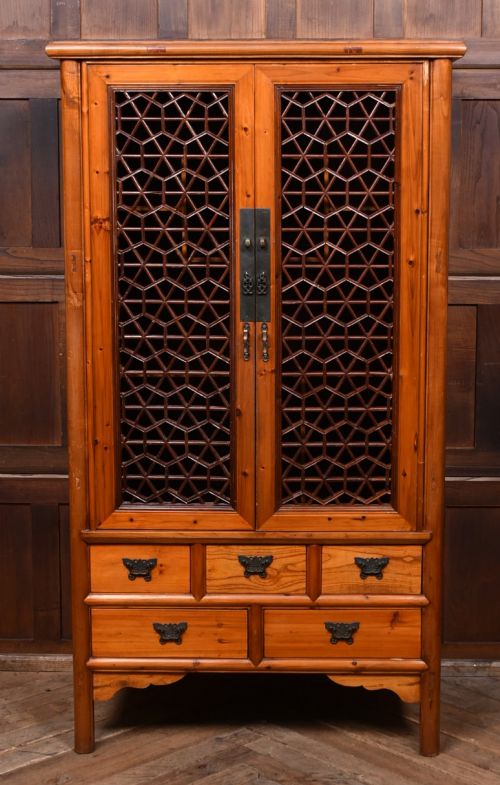
- A tall storage cabinet designed specifically for food preservation and pantry supplies, often featuring panelled doors and internal shelving. These units provided essential cool storage before mechanical refrigeration.
- Housekeeper Cupboard
- A large, multi-door storage piece used by estate managers to store household linens, dry goods and provisions. They represent the more substantial end of vernacular domestic furniture.
- Plate Rack
- An open wooden shelving attachment designed to hold plates upright on edge for drying and display. They are commonly mounted above dressers or directly onto kitchen walls.
- Provincial
- A term describing furniture made in regional areas outside major metropolitan design centres, reflecting local craftsmanship and practical utility. These pieces often display charming regional variations in form and timber choice.
Traditional Kitchen Unit: Frequently Asked Questions
What is a traditional kitchen unit?
A traditional kitchen unit is a historic storage piece such as a dresser, larder cupboard or wall shelf designed for food preparation and pantry organisation.
These items date from the eighteenth to the early twentieth centuries and were built using solid timbers like oak and pine to serve the practical needs of historic homes.
How were these units used?
These pieces served as the main storage and workspace hubs in historic kitchens and domestic offices before modern fitted units existed.
They held heavy crockery, dry provisions, linens and utensils, keeping everyday necessities organised and accessible to the household.
How do I live with a pine dresser?
Living with a historic pine dresser involves appreciating its sturdy utility and incorporating its generous storage capacity into a modern kitchen or dining space.
Open plate racks and deep cupboards easily accommodate everyday dinnerware, while the natural timber or painted surfaces add warmth and vernacular character to the room.
How do I tell periods apart?
Distinguishing between periods depends on observing timber choice, construction methods and stylistic details like panel thickness and hardware.
Eighteenth-century pieces often feature heavier oak construction and pegged joinery, while nineteenth and early twentieth-century examples frequently utilise pine and simpler assembled joints.