





Traditional Kitchen Cupboard
A traditional kitchen cupboard brings honest utility and time-worn character to a home, offering sturdy storage rooted in centuries of rural craftsmanship.
Traditional Kitchen Cupboard
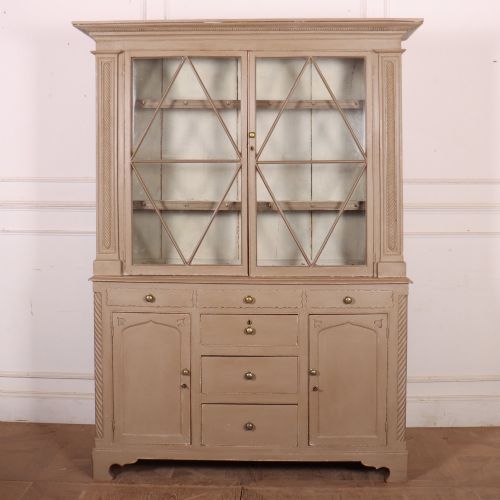
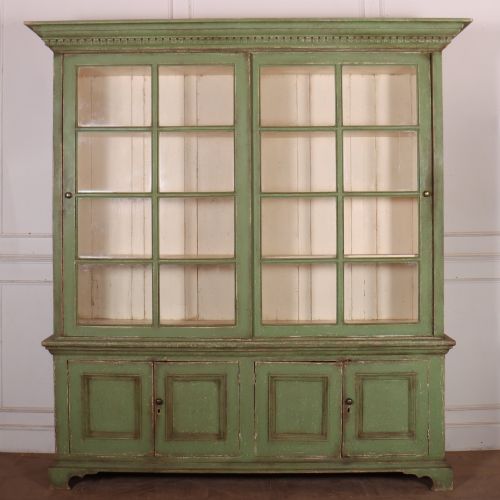
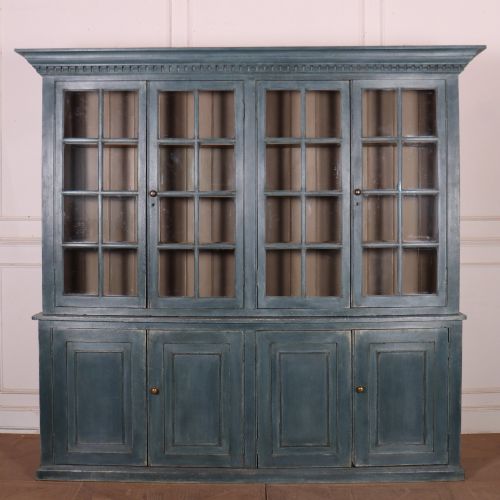
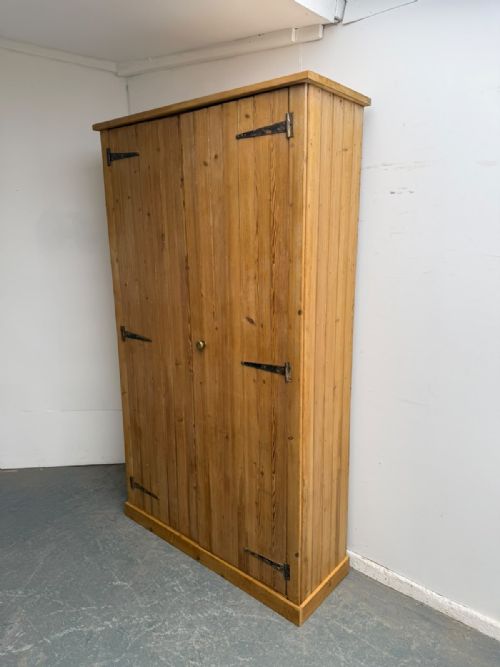
A traditional kitchen cupboard encompasses a range of utilitarian storage furniture designed for food preparation and pantry storage, including housekeepers cupboards, larder cabinets, and food cupboards. These utilitarian pieces originate primarily from country workshops and domestic farmhouses.
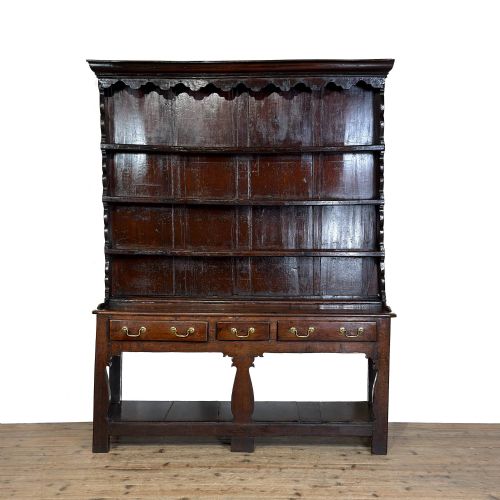
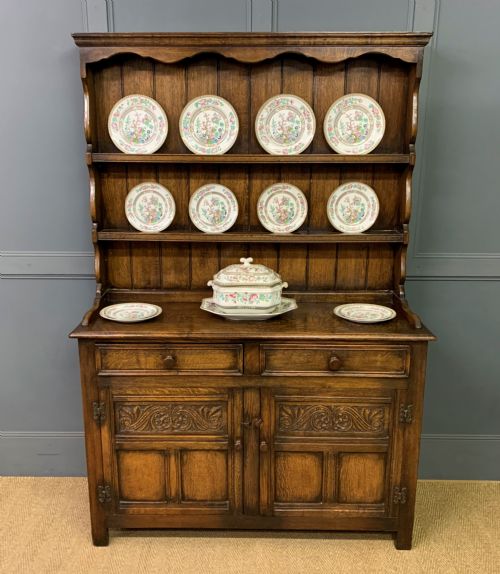
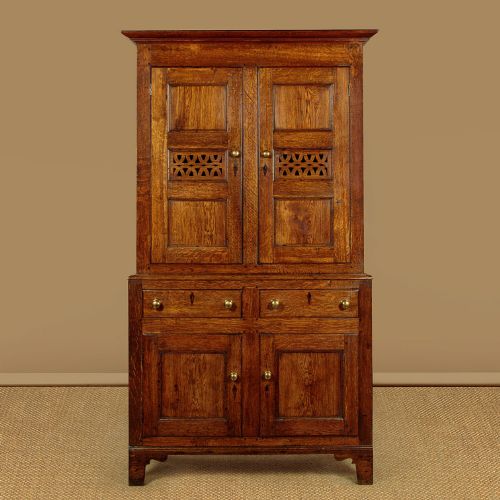
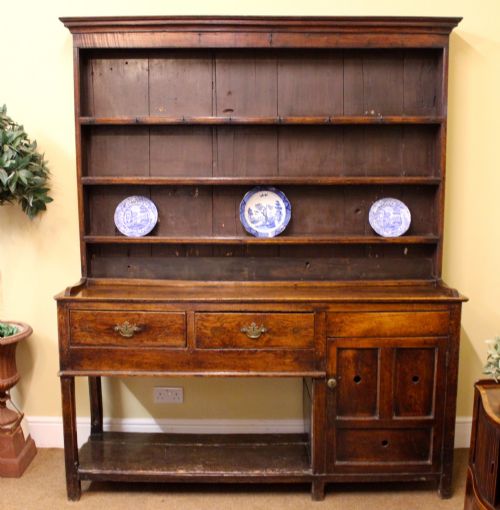
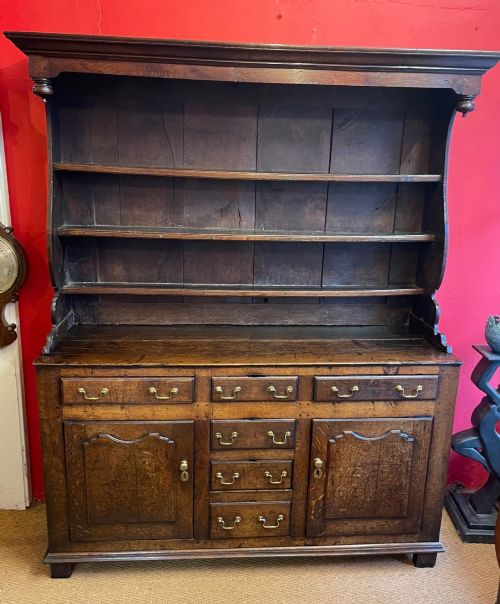
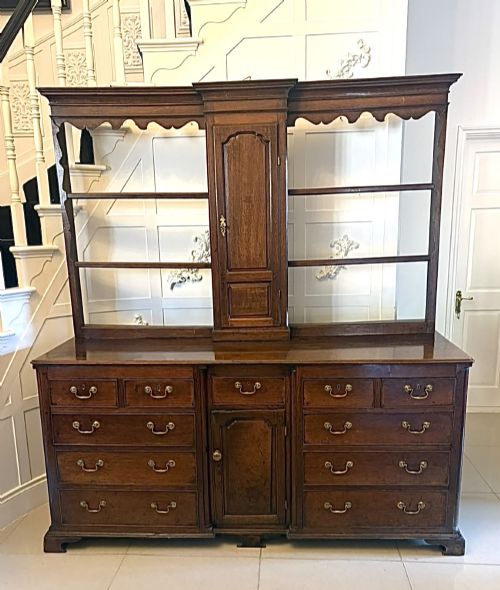
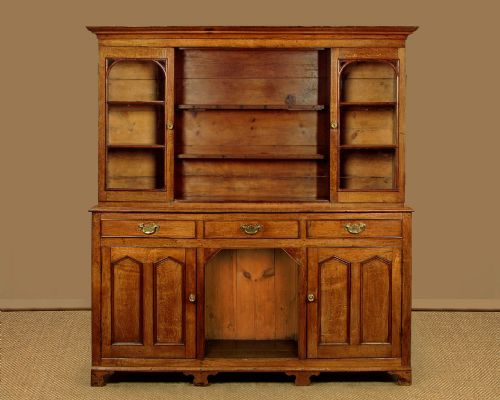
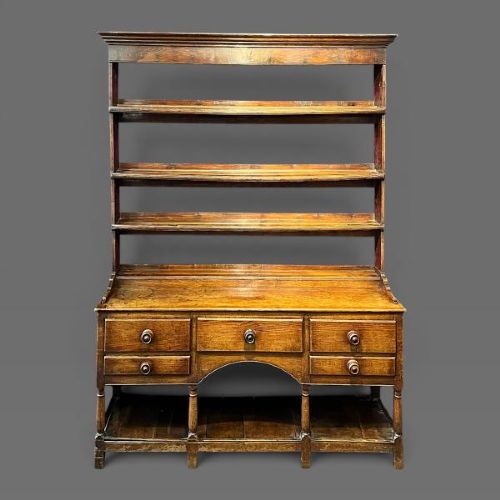
The pieces appearing on this page span several centuries, with a strong representation of nineteenth-century pine examples alongside eighteenth-century and Georgian oak dressers. Regional variations such as Welsh and Scottish forms frequently appear, displaying open plate racks, glazed upper sections, or solid panelled doors.
Buyers will encounter both two-part modular constructions and single standing cabinets built to withstand daily domestic use. Painted finishes sit alongside waxed pine and rich dark oak, reflecting the ongoing adaptation of these pieces through different eras.
How they were made
Local timbers such as pine and native oak form the structural backbone of these cupboards, supplemented by mahogany highlights and fruitwood in specific regional pieces. Carpenters utilised pegged mortise and tenon joinery to build sturdy carcases capable of holding heavy kitchen provisions.
Hardware consists of forged iron hinges, brass drop handles, and wooden latches that secure panelled or glazed doors. Surfaces were often finished with hand-mixed paints, traditional waxes, or left bare to acquire a natural patina over decades of service.
Traditional Kitchen Cupboard Retail Price Guide 2026
Typical asking prices for traditional kitchen cupboard among the pieces listed under this phrase on Sellingantiques today, from the lower quarter to the upper quarter. They describe what is for sale here now, not the wider market.
Look closely at vintage bread and cheese cupboards for tiny ventilated slats designed to outsmart hungry farm mice.
What varies in quality
Construction methods and timber selection set the baseline for quality, distinguishing robust cabinet work from simpler vernacular carpentry. Thick oak boards and tight joinery indicate a superior build compared to lighter, more improvised regional pieces.
Originality of surface finish and hardware heavily influence the character of a piece. Retaining period brasses, unstripped painted skins, or untouched patinated pine surfaces elevates the integrity of the furniture.
The Traditional Kitchen Cupboard Glossary
- Plate rack
- A set of open wooden shelves fixed to the upper back of a dresser, designed for displaying ceramic plates upright. These racks often feature plate grooves along the shelf bases to prevent slipping.
- Housekeepers cupboard
- A large tall storage cabinet traditionally used for storing linens, dry goods, and domestic provisions. They typically feature multiple panelled doors enclosing interior shelves.
- Dresser base
- The lower sideboard section of a kitchen dresser, featuring a combination of drawers and cupboards beneath a flat wooden work surface. Early examples stand on bracket feet or straight legs.
- Bread and cheese cupboard
- A specialised regional food cupboard featuring pierced or ventilated panels to allow air circulation around perishable items. These small cabinets were essential in rural domestic kitchens before refrigeration.
- Dog kennel dresser
- A regional dresser style featuring an open central recess beneath the drawers and flanked by cupboards. This distinct lower opening provides space for a wooden bench or pet bedding.
Traditional Kitchen Cupboard: Frequently Asked Questions
What is a housekeepers cupboard used for?
A housekeepers cupboard serves as a primary storage hub for domestic household goods, linens, and dry provisions. The tall interior volume accommodates shelves for organising various household supplies.
In modern homes, these large cabinets function effectively as pantry units or standalone storage solutions in large kitchens and dining spaces.
How do I identify a Welsh dresser?
A Welsh dresser traditionally combines an open plate rack fixed above a lower base of drawers and cupboards. Oak is the predominant timber in earlier Welsh examples, often showing distinctive regional proportions.
Later Victorian versions frequently appear in pine, reflecting the shift toward softer domestic woods in country farmhouse furniture.
Are these cupboards suitable for modern kitchens?
These traditional pieces integrate well into contemporary homes by offering generous, characterful storage that modern flat-pack units lack. Larder cupboards and sideboards provide practical space for dry goods, dishware, and kitchen appliances.
The tactile surfaces of pine, oak, and painted finishes add warmth and historical texture to modern interior schemes.
How do I care for waxed pine furniture?
Waxed pine requires occasional gentle cleaning with a dry cloth and the application of a quality beeswax to maintain the finish. Avoid placing these pieces near direct heat sources or damp areas to prevent the timber from warping.
Allowing the wood to breathe and naturally age preserves the patina built up over generations of use.