



Traditional Japanese Lamp
These traditional japanese lamp choices bring together centuries of craftsmanship, offering distinctive forms that transform interiors with genuine historical character.
Traditional Japanese Lamp
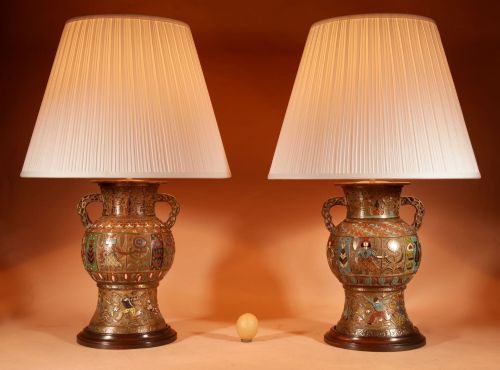
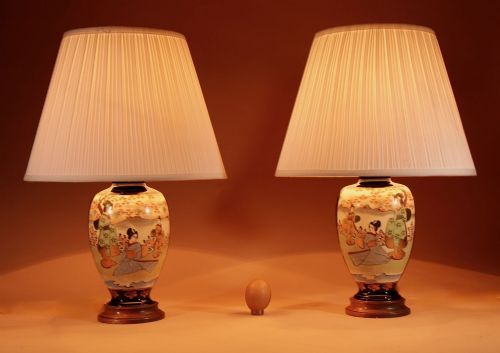
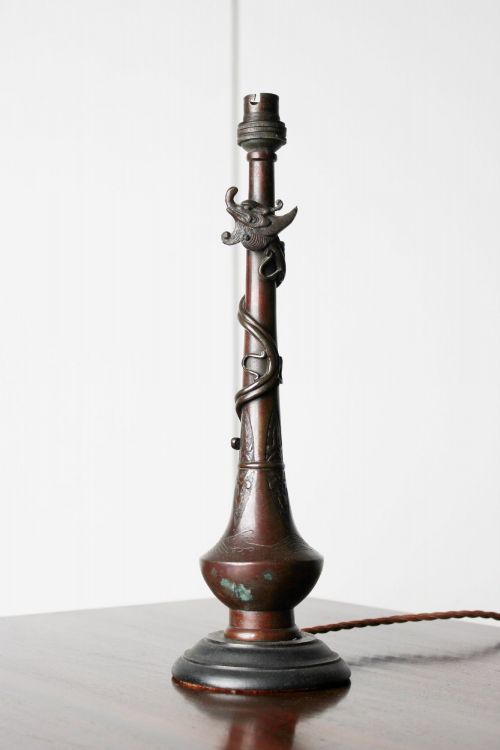
A traditional japanese lamp encompasses table and standard lamps drawn from eighteenth-century, nineteenth-century, and early twentieth-century periods. These pieces frequently originate from Japanese Meiji and Edo periods, incorporating Satsuma, Kutani, Imari, Arita, and Fukagawa porcelain alongside bronze and enamel.
The selection on this page centres primarily on porcelain vases and bronze vessels converted into lamps. Buyers encounter pairs and individual examples spanning diverse eras from the eighteenth century to the nineteen-thirties, including Japonesque and Chinoiserie interpretations.
These lighting pieces range from grand bronze elephant table lamps to delicate porcelain vases decorated with enamel. Each piece reflects specific historical stylistic shifts while serving a practical modern lighting function in contemporary homes.
Materials and construction methods
Makers utilised high-fired ceramics such as porcelain, shaped into vases and vessels before receiving intricate hand-painted enamel and underglaze decoration. Bronze casting and champlevé enamel techniques provided heavier, structured bases and ornamental fittings.
Wood, brass, fabric, and silk supplemented the primary ceramic and bronze bodies to complete the lamps. Artisans combined traditional vessel-making methods with subsequent wiring adaptations to suit British and European domestic interiors.
Traditional Japanese Lamp Retail Price Guide 2026
Typical asking prices for traditional japanese lamp among the pieces listed under this phrase on Sellingantiques today, from the lower quarter to the upper quarter. They describe what is for sale here now, not the wider market.
Elephants occasionally support the weight of history, as seen in bronze table lamp bases shaped as magnificent pachyderms.
Assessing quality in antique lighting
Quality rests upon the fineness of the porcelain body, the intricacy of the hand-painted enamel work, and the weight of the bronze casting. Pieces from the Edo and Meiji periods display superior artistic precision in their glaze patterns compared to later interpretations.
Originality of form and the presence of matching pairs elevate a piece significantly. The harmony between the original vessel and its subsequent conversion into a lamp dictates the overall aesthetic success.
The Traditional Japanese Lamp Glossary
- Edo Period
- The period spanning from 1603 to 1867 in Japan. Pieces originating from this time demonstrate traditional craftsmanship prior to the opening of trade with the West.
- Imari
- A style of Japanese porcelain named after the port from which it was shipped. These wares typically feature distinctive blue, red, and gold colour palettes.
- Satsuma
- A type of earthenware from Japan featuring a crackled ivory glaze and elaborate polychrome enamel painting. Such ceramics were widely adapted into decorative lamps during the late nineteenth and early twentieth centuries.
- Champlevé
- An enamelling technique where trenches are carved into a metal surface and filled with vitreous enamel. This method appears on bronze bases and decorative vessels from the period.
Traditional Japanese Lamp: Frequently Asked Questions
How do I date an antique lamp?
Dating relies on examining the ceramic body, glaze characteristics, and bronze casting techniques against known stylistic periods such as the Edo or Meiji eras. Supporting elements like brass fittings and wiring methods offer further clues regarding twentieth-century adaptations.
Consulting historical records of potteries such as Arita or Kutani helps narrow down the decade of production. Stylistic overlaps with Edwardian or nineteen-thirties aesthetics also indicate when a vase might have been converted into a lamp.
Are these lamps safe for modern use?
Most antique lamps have been historically adapted for electrical use, though older wiring standards require professional inspection before connection to a modern mains supply. Qualified electricians can easily update internal components while preserving the historic body.
Buyers should have a professional restorer check the lampholder and cord to ensure safety compliance. The structural integrity of the porcelain or bronze remains unaffected by modern rewiring.
Can I find matching pairs of lamps?
The selection frequently includes matching pairs of bronze or porcelain vase lamps, particularly from the nineteenth and early twentieth centuries. Sourcing identical vessels created together provides visual symmetry for larger interior spaces.
Pairs often originate from grand dining rooms or drawing rooms where balanced illumination was traditionally required. Examining the enamel details confirms whether two vessels were made as a matched set.
How should I clean antique ceramic lamps?
Cleaning requires a soft, dry cloth to remove dust from porcelain surfaces and bronze mounts without disturbing delicate enamels. Moisture and harsh chemical cleaners must be avoided to protect antique glazes and metallic finishes.
Fabric shades should be brushed gently or vacuumed using a low-suction attachment through a protective mesh. Regular, gentle maintenance preserves the original patination and painted details over time.