






Traditional Japanese Art
Traditional Japanese art encompasses woodblock prints, carved netsuke and porcelain plates spanning centuries of craftsmanship.
Traditional Japanese Art
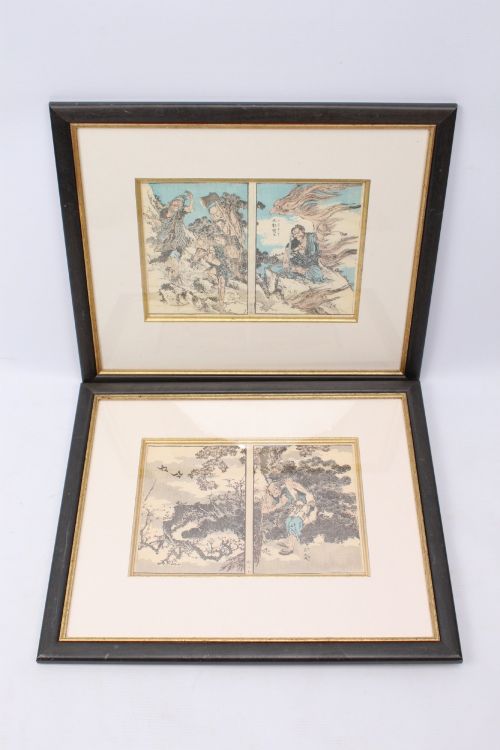
Traditional Japanese art covers a diverse range of objects, from woodblock prints and framed ukiyo-e to decorative plates and carved wooden sculptures. These pieces reflect historical periods such as the Edo era and the Victorian epoch through distinct aesthetic conventions.
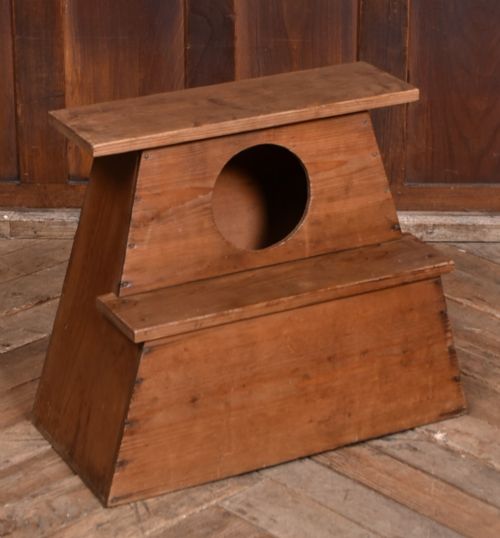
The most common forms encountered on this page include framed prints, intricate netsuke, Imari plates, and functional items like step stools and baskets. Each object embodies specific techniques associated with its era, such as mid nineteenth century boxwood carving or Meiji period bronze work.
Materials and Construction
Makers utilised natural materials including wood, paper, porcelain, enamel, and gold leaf, often shaping them by hand. Carved wood pieces display detailed knife work, whilst porcelain items demonstrate precise painting and glazing traditions.
Printmaking relied on woodblock methods to transfer ink onto paper or scrolls, creating detailed depictions of figures and landscapes. Bronze casting and lacquer application required specialised layering and finishing skills to achieve durable results.
Traditional Japanese Art Retail Price Guide 2026
Typical asking prices for traditional japanese art among the pieces listed under this phrase on Sellingantiques today, from the lower quarter to the upper quarter. They describe what is for sale here now, not the wider market.
Materials documented across the collection include carved wood, lacquer, porcelain, gold leaf, and handmade paper.
Assessing Craftsmanship
Quality in these works rests upon the precision of the carver's hand or the clarity of the print's impression. Pieces featuring legible signatures from recognised makers or distinct stylistic execution demonstrate higher mastery.
The preservation of original surfaces, such as the intact gilding on gold leaf or the crisp details on woodblock cuts, distinguishes superior examples. Finer items show consistent execution across form, material, and decorative detail.
Hokusai·Kunisada·Yukihiro
The Traditional Japanese Art Glossary
- Ukiyo-e
- Pictures of the floating world, denoting a genre of Japanese woodblock prints and paintings depicting scenes of everyday life. These works often capture actors, sumo wrestlers, and landscapes.
- Netsuke
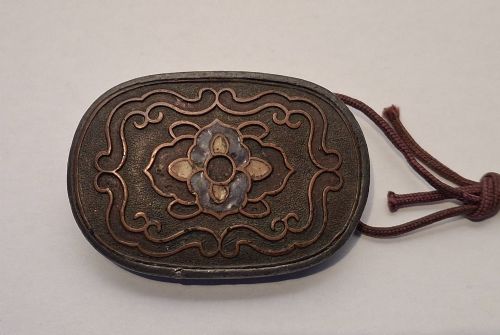
- A small carved toggle fastened to the end of a cord attached to a small container worn on traditional Japanese garments. Master carvers shaped these from boxwood or other dense materials.
- Imari
- A type of Japanese porcelain decorated in underglaze blue and overglaze red, gold, and green. This ware gained prominence for its vibrant export designs.
- Hibachi
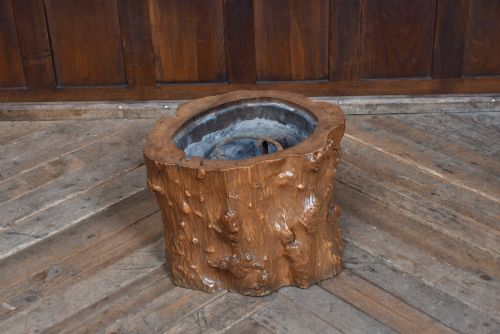
- A traditional Japanese heating device, typically constructed from wood with a lined interior. These portable bowls held hot charcoal for warmth or boiling water.
- Ikebana
- The Japanese art of flower arrangement, which values asymmetry and linear form. Baskets created for this practice exhibit specialised weaving techniques.
- Tachi
- A type of traditionally made Japanese sword worn by the samurai class. These curved blades typically hung edge-down from cords.
Traditional Japanese Art: Frequently Asked Questions
How do I identify a woodblock print?
Woodblock prints show characteristic ink absorption into the paper fibres and subtle grain impressions left by the wooden matrix.
Close examination under magnification reveals the delicate lines and colour registration typical of traditional printing methods.
What is an Imari plate?
Imari plates are porcelain pieces decorated with a distinct palette of cobalt blue, iron red, and gold accents.
Originating from the town of Arita, these items were widely exported and prized for their ornate patterns.
How were netsuke used?
Netsuke functioned as toggles to secure small pouches or medicine boxes suspended from the sashes of traditional clothing.
Carved with small openings for cords, they combined practical fastening with miniature sculptural artistry.
What is a hibachi?
A hibachi served as a traditional heating device, utilising glowing charcoal placed within a fireproof interior surrounded by wood.
These domestic objects provided localized warmth and served secondary purposes for boiling water in daily life.