



Traditional Italian Hanging Light
A traditional italian hanging light brings distinct regional craftsmanship and dramatic illumination into a room, drawing the eye upwards with period detail.
Traditional Italian Hanging Light
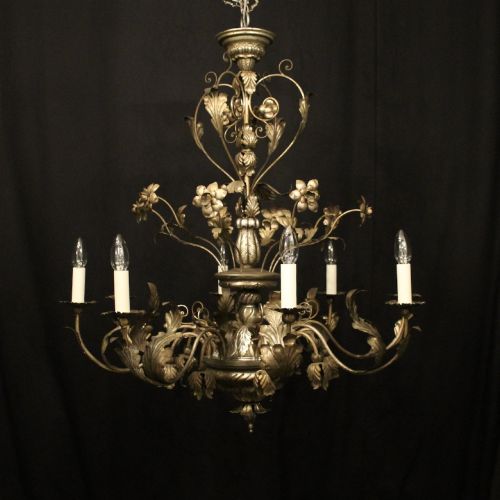
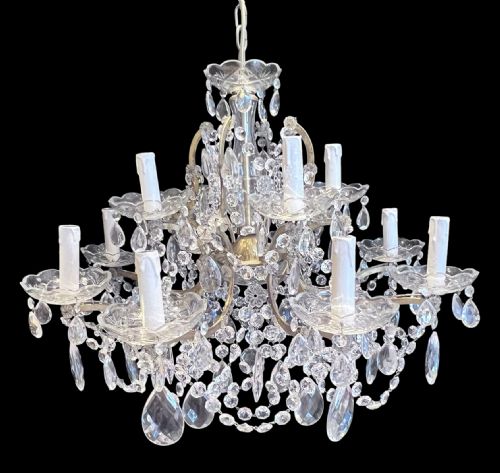
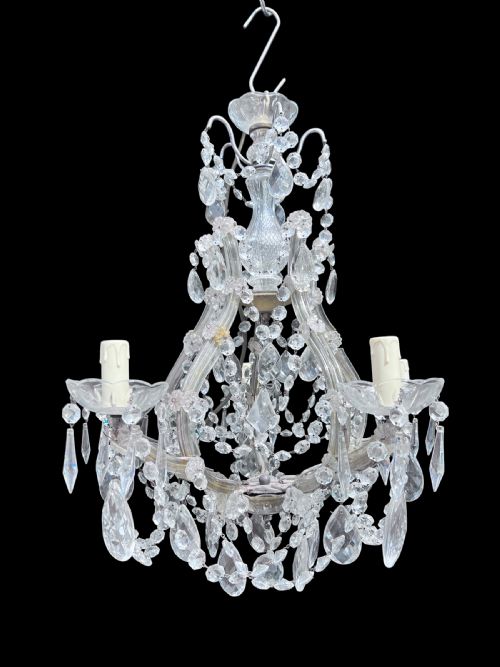
A traditional italian hanging light encompasses grand chandeliers and single light hall lanterns originating from early twentieth century production. These fittings range from twelve light structures down to single light forms, taking inspiration from historical design traditions.
The objects seen here span styles such as Venetian, Florentine, Maria Theresa, and various Rococo and Neoclassical revivals. Buyers most frequently encounter multi light chandeliers featuring giltwood, polychrome finishes, or elaborate crystal arrangements.
Origins include specific regional centres like Genoa alongside broader Venetian and Florentine workshops. Dating across the inventory settles primarily around nineteen ten, nineteen twenty, and nineteen thirty.
How traditional italian hanging light pieces were made
Construction relies heavily on structural metals including brass, wrought iron, and silvered or gilded metal. These metal frameworks support extensive glass and crystal components designed to refract light.
Decorative surfaces utilise traditional gesso and giltwood techniques, alongside ebonised finishes and polychrome paintwork. Master artisans combined carved wooden elements with delicate metal armatures to build robust yet ornate ceiling fixtures.
Traditional Italian Hanging Light Retail Price Guide 2026
Typical asking prices for traditional italian hanging light among the pieces listed under this phrase on Sellingantiques today, from the lower quarter to the upper quarter. They describe what is for sale here now, not the wider market.
One listed piece is specifically designated as a pod chandelier, offering an unusual botanical silhouette from nineteen ten.
What varies in quality in traditional italian hanging light pieces
Quality differentiates through the depth of hand carving on wooden elements like giltwood and the intricacy of metalwork framing. Superior examples display refined application of gesso and precise gilding that retain their texture over decades.
The clarity and cut of the crystal and glass components also set finer pieces apart from standard alternatives. Complexity in arm distribution, such as twelve branch configurations versus simpler single light formats, dictates the architectural presence of the object.
The Traditional Italian Hanging Light Glossary
- Giltwood
- Wood carved and covered with a thin layer of gold leaf. This technique provides a rich, reflective surface widely utilised in antique Italian frames and chandelier bodies.
- Gesso
- A plaster mixture applied to wood as a base for paint or gilding. It allows artisans to sculpt intricate relief decorations before finishing.
- Maria Theresa
- A classical chandelier style characterised by flat metal branches covered with glass strips and secured with rosette pins. Named after the Austrian empress, this design gained popularity across Italian workshops.
- Polychrome
- Decorated in multiple colours. Artisans applied various pigments by hand to wooden and metal surfaces to achieve vibrant, ornamental effects.
Traditional Italian Hanging Light: Frequently Asked Questions
What is a traditional italian hanging light?
A traditional italian hanging light is an antique ceiling fixture, usually a chandelier or hall lantern, originating from early twentieth century Italy. These pieces incorporate regional decorative styles from Venetian and Florentine traditions.
They serve as primary illumination sources while functioning as substantial decorative ornaments within a room. Their design relies on materials such as carved giltwood, wrought iron, and crystal drops.
How do I hang a heavy chandelier?
Hanging a heavy antique fixture requires professional installation directly into ceiling joists or structural timber using rated steel fixings. The weight of multi light crystal and giltwood structures demands secure load bearing support.
Electrical wiring must also be inspected and adapted to meet modern safety standards before suspension. A qualified electrician ensures the ceiling can safely bear the full mass of the metal and glass assembly.
How do I clean antique crystal and glass?
Cleaning requires gentle dusting with a soft microfibre cloth while the fixture remains suspended. For deeper cleaning, apply a mild solution of warm water and isopropyl alcohol directly to a cloth rather than spraying the fixture.
Avoid harsh chemical cleaners that can damage historic giltwood, gesso, or silvered metal surfaces. Regular maintenance prevents dust accumulation without risking moisture damage to delicate metal armatures.
What styles are common in italian lighting?
Common styles include Venetian, Florentine, Maria Theresa, and revivals of Rococo and Neoclassical design. Each style reflects distinct regional preferences in ornamentation, from polychrome floral motifs to elaborate crystal cascades.
Datings across these pieces typically centre on the early decades of the twentieth century. Makers utilised historical design vocabulary to produce grand statement lighting for domestic interiors.