

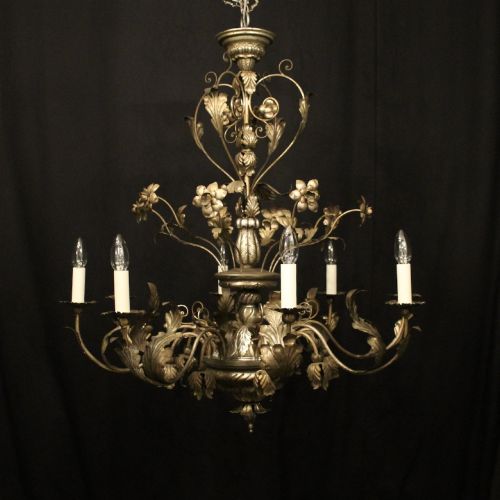

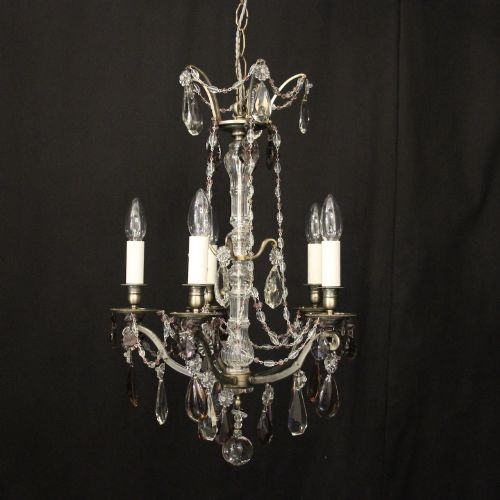
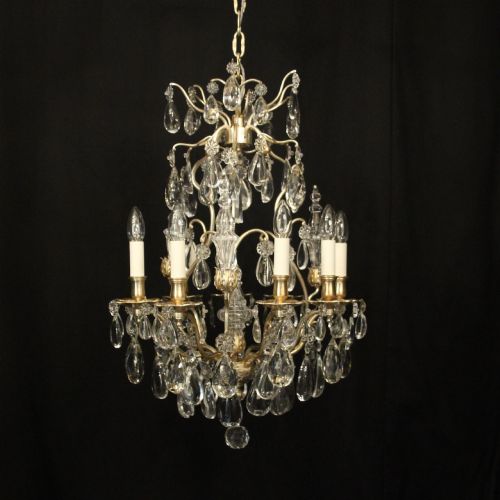


Silver Gilt Light Fitting
A silver gilt light fitting brings an opulent metallic sheen to a room, combining glittering illumination with ornate Continental style.
Silver Gilt Light Fitting
A silver gilt light fitting encompasses grand chandeliers and twin-arm wall sconces originating from nineteenth-century and early twentieth-century workshops. The pieces seen here lean heavily into French and Italian aesthetics, spanning grand chateau designs and intricate rococo or neoclassical forms.
Chandeliers dominate the selection, offering multiple light branches ranging from compact five-light arrangements up to fifteen-light centerpieces. Buyers seeking a silver gilt light fitting will frequently encounter French creations from the nineteen-twenties and thirties, alongside Italian Florentine and Genoese pieces.
How they were made
Master artisans constructed these fixtures using robust metal foundations such as bronze, brass, and cast gilded metal, which were then treated with silver leaf or silver gilt applications. This dual-tone metalwork creates a sophisticated interplay between warm gold undertones and bright silver surfaces.
Many of the larger chandeliers incorporate glass and crystal elements suspended from the metal frames to refract the illumination. The combination of silvered bronze and crystal defines the construction of the most elaborate nineteenth-century examples.
Silver Gilt Light Fitting Retail Price Guide 2026
Typical asking prices for silver gilt light fitting among the pieces listed under this phrase on Sellingantiques today, from the lower quarter to the upper quarter. They describe what is for sale here now, not the wider market.
Listings span three distinct decades and centuries, with nineteen-thirty being the most frequently recorded period for these Continental light fittings.
What varies in quality
The distinction between standard examples and exceptional pieces rests upon the finesse of the metal casting and the complexity of the decorative styling. Heavily ornamented French neoclassical and Italian rococo frames demand greater sculptural skill than simpler structural mounts.
The presence and quality of integrated crystal drops further elevates a fitting, as does the depth and durability of the original silver gilt finish. Finer pieces display meticulous hand-applied metalwork that retains its luminous character across multiple light branches.
The Silver Gilt Light Fitting Glossary
- Silver gilt
- Metal that has been coated with a thin layer of silver or gold leaf to create a lustrous dual-tone finish. This technique gives vintage light fittings their distinctive aged metallic radiance.
- Chandelier
- A branched ornamental light fixture suspended from the ceiling designed to hold multiple bulbs or candles. These pieces often feature tiered arms and reflective crystal pendants.
- Wall sconce
- A light fixture fixed directly to a wall surface to provide secondary illumination. Twin-arm versions project outwards to cast light across a targeted area.
- Neoclassical
- A decorative style inspired by the classical art and architecture of ancient Greece and Rome. It relies on symmetry, restrained ornamentation, and classical motifs.
- Rococo
- An elaborate design movement characterised by asymmetric scrolls, shell curves, and ornate natural forms. Italian and French workshops utilised these extravagant contours for lighting.
Silver Gilt Light Fitting: Frequently Asked Questions
What rooms suit a silver gilt light fitting?
These decorative fixtures demand high ceilings and generous proportions to properly showcase their multi-light frames and dangling crystal elements. Grand reception rooms and formal dining spaces provide the ideal architectural backdrop for French and Italian chandeliers.
Smaller twin-arm wall sconces adapt well to hallways or drawing rooms where matching ambient illumination is required without overwhelming the floor space.
How do French and Italian styles differ?
French designs in this selection frequently channel classic chateau, Louis XVI, and neoclassical elegance through structured symmetry and refined bronze or brass casting. They project a tailored form of Continental sophistication.
Italian pieces, particularly those from Genoa and Florence, lean into exuberant rococo flourishes and intricate floral or scroll motifs. These Florentine creations emphasise dynamic movement across the metal arms.
How do I date a light fitting?
Dating relies heavily on examining the base metal composition, the style of the casting, and the specific application of the silver leaf or gilt finish. Nineteenth-century examples often utilise heavy bronze frames combined with extensive crystal.
Pieces from the nineteen-twenties and nineteen-thirties reflect slightly more streamlined production methods while retaining traditional French and Italian aesthetic influences.
Do these fittings require special care?
The delicate silver gilt surfaces and hanging crystal elements require gentle cleaning with dry or minimally damp cloths to avoid stripping the metallic finish. Avoiding harsh chemical polishes preserves the original patina of the bronze and brass.
Professional electrical rewiring is often recommended for vintage light fittings to ensure modern safety standards while maintaining the historic exterior presentation.