


Carved Leaf Ceiling Pendant
A carved leaf ceiling pendant brings sculptural botanical warmth and rich overhead illumination to a room.
Carved Leaf Ceiling Pendant
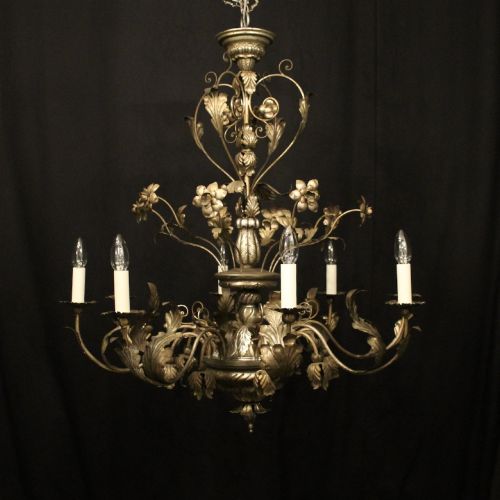
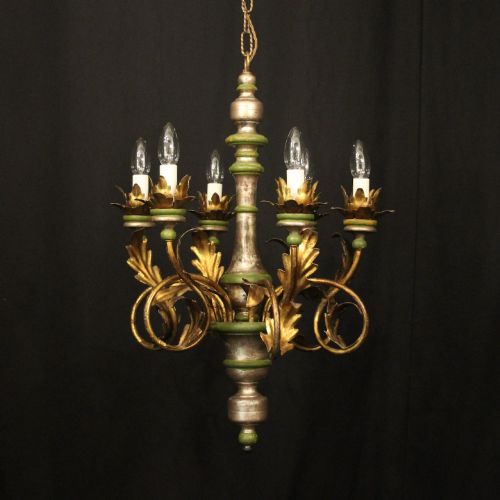
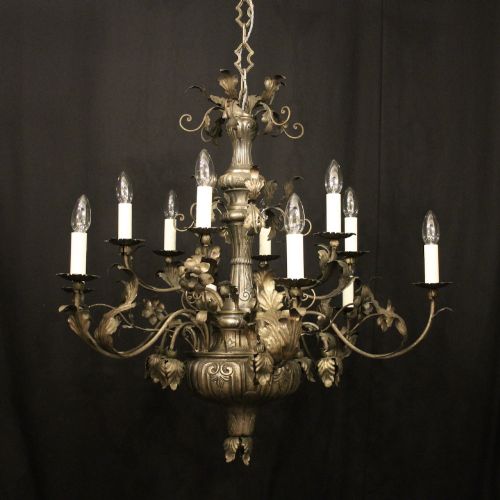
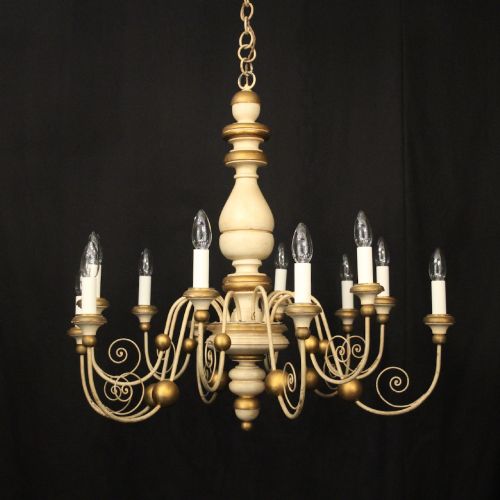
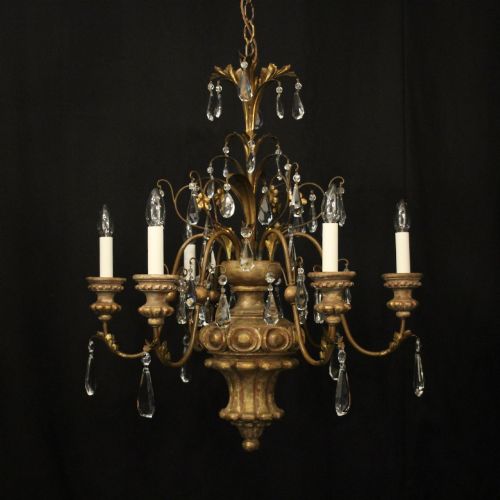
When you search for a carved leaf ceiling pendant, you are looking at ornamental overhead light fittings and architectural mounts dominated by foliage motifs. These pieces typically take the form of multi-light chandeliers and ceiling lights constructed with wooden or metal leaf carvings.
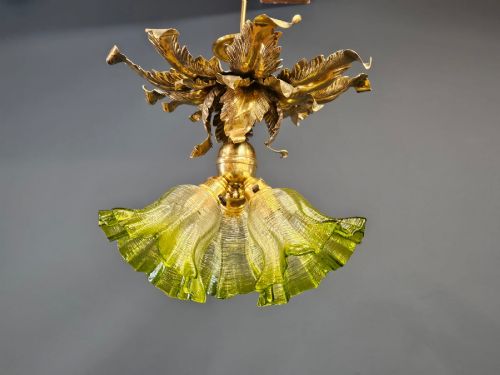
The versions you are most likely to meet on this page originate from Italian workshops, particularly Florentine and Genoese centres dating to the 1920 and 1930 decades, alongside earlier Victorian brass designs. They range from robust multi-bulb chandeliers finished in giltwood and polychrome to individual cast brass ceiling roses.
How they were made
The construction of these pieces relies heavily on carved timber and cast metals shaped into organic botanical forms. Wood elements receive applications of gold leaf, silver, or polychrome paint, creating rich gilded surfaces that reflect candlelight or electric illumination.
Metalwork versions utilise brass, iron, and wrought iron to form structural frames and detailed foliage designs. These metal components are often paired with original glass shades or combined with ebonised timber details to contrast the bright metallic leaf finishes.
Listings span three distinct eras: Victorian, 1920, and 1930, showcasing materials from wrought iron and glass to gold leaf and ebonised timber.
What varies in quality
The distinction between standard examples and superior pieces rests on the depth and crispness of the foliage carving. Hand-carved wooden acanthus and leaf details show subtle chisel work and organic asymmetry that machine-finished alternatives lack.
Surface finish application also dictates the calibre of the piece. High-grade examples feature layered water-gilding or nuanced polychrome patination that ages gracefully, whereas inferior pieces rely on flat, uniform modern paint or heavy metallic washes.
The Carved Leaf Ceiling Pendant Glossary
- Giltwood
- Wood that has been coated with a thin layer of gold leaf. This technique was widely utilised across Italian and French decorative lighting to provide a warm, reflective surface.
- Polychrome
- Painted in several colours. In these ceiling fittings, polychrome decoration typically highlights individual carved leaves and floral elements with contrasting hues.
- Ebonised
- Wood treated to resemble ebony. Dark ebonised sections are often contrasted against bright gilded leaf details in 1930s lighting design.
- Ceiling rose
- A circular decorative moulding fixed to the ceiling from which a pendant light is suspended. Victorian examples in cast brass frequently incorporate leaf and botanical motifs.
Carved Leaf Ceiling Pendant: Frequently Asked Questions
What periods do these pendant lights come from?
The pieces listed here primarily span the 1920 and 1930 decades, alongside Victorian examples. Italian workshops dominate the twentieth-century production.
Victorian pieces lean towards cast brass ceiling roses and utility designs with original glass shades, while the later period pieces favour elaborate Florentine giltwood chandeliers.
How do I identify a Florentine chandelier?
Florentine chandeliers are defined by their exuberant carved leaf and floral motifs. They frequently employ giltwood or polychrome finishes that mimic natural foliage.
Originating from workshops in Florence, these fittings often feature multiple light arms wrapped in carved acanthus leaves.
Are these lights electrified?
Most of the multi-light fixtures listed are configured for electrical use, accommodating anywhere from five to twelve lights. They are designed for direct ceiling suspension.
Buyers should inspect the specific wiring arrangements of each pendant to ensure compatibility with modern domestic electrical standards.
What materials are used in these ceiling pendants?
The primary materials include wood, giltwood, brass, wrought iron, and glass. Gilding and polychrome paint are standard surface treatments for the wooden elements.
Metal components range from cast brass in Victorian ceiling roses to heavier iron and gilded metal frameworks on Italian chandeliers.