

Traditional Iron Frame
Traditional iron frame pieces are robust nineteenth-century beds and bedsteads combining metal strength with decorative brass work, offering lasting durability and classic charm.
Traditional Iron Frame
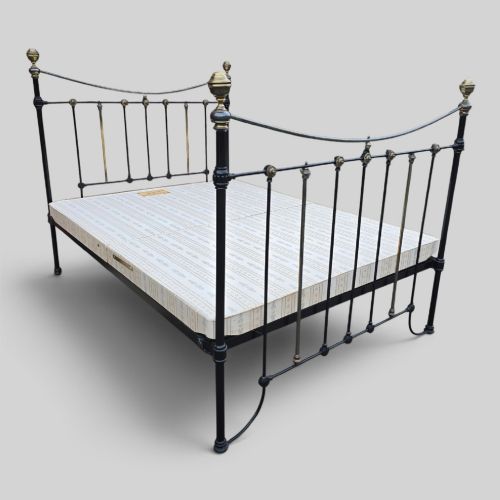
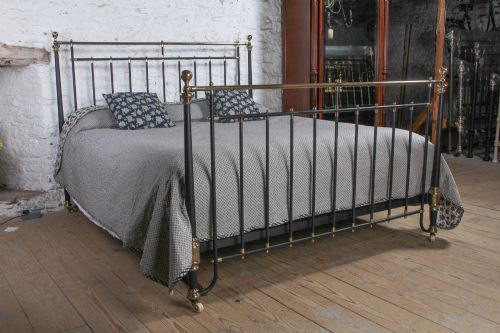
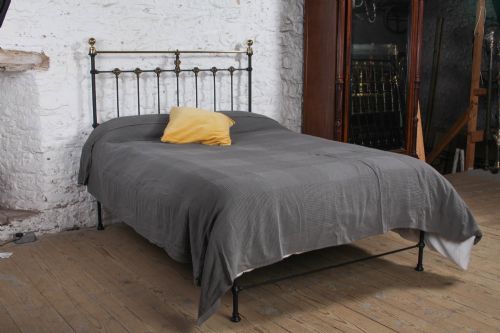
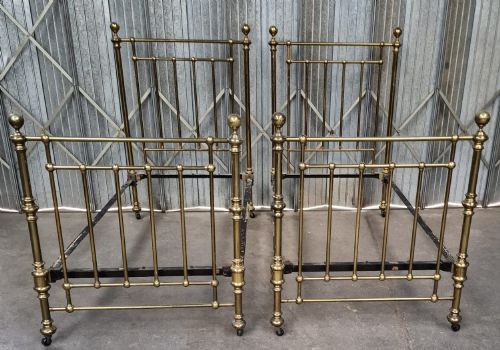
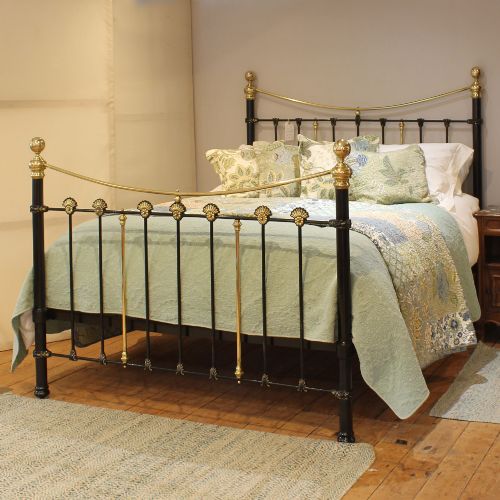
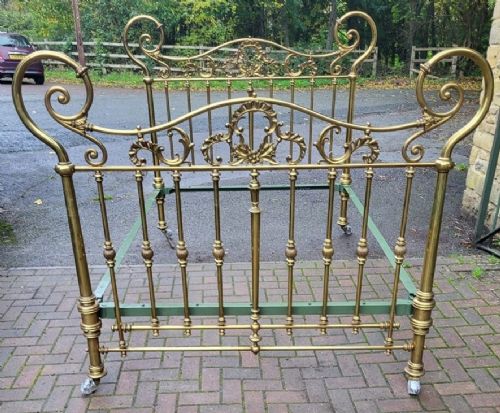
A traditional iron frame buyer is looking at sturdy nineteenth-century and early twentieth-century bedsteads, often combining cast or wrought iron with polished brass components. These pieces span Victorian, Edwardian, and Art Nouveau periods, taking forms such as single beds, double sizes, half testers, and four posters.
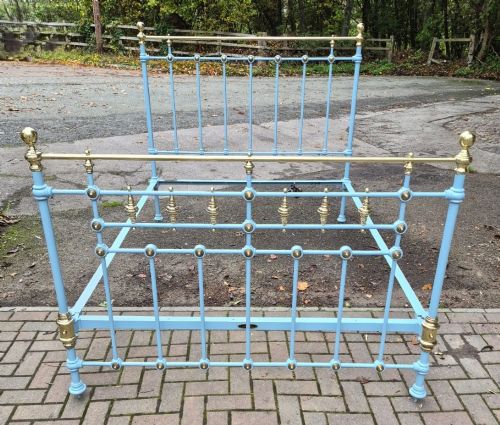
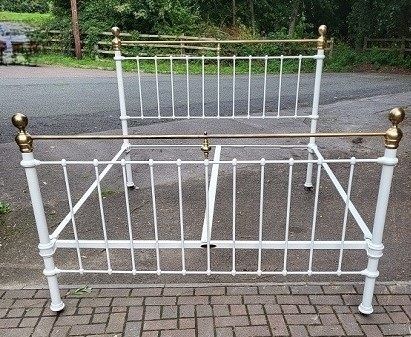
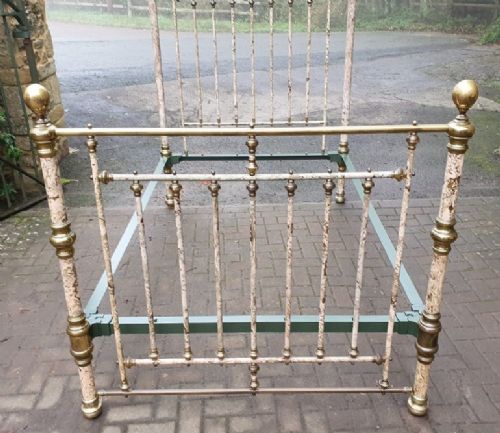
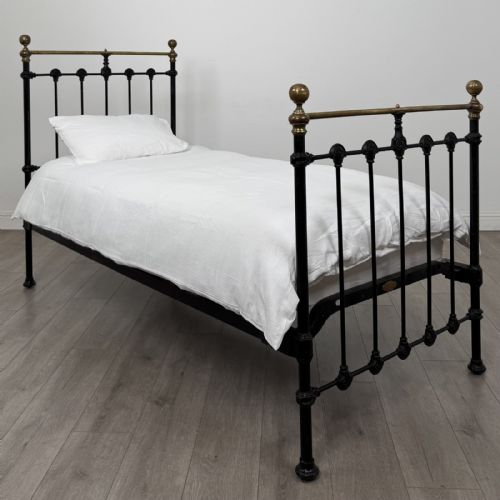
The version most commonly met on this page is the Victorian brass and iron bedstead, frequently featuring decorative ball finials or slatted bases. Dating primarily from the 1870s to the 1890s, these robust frames offer practical sleeping solutions with distinct period character.
How they were made
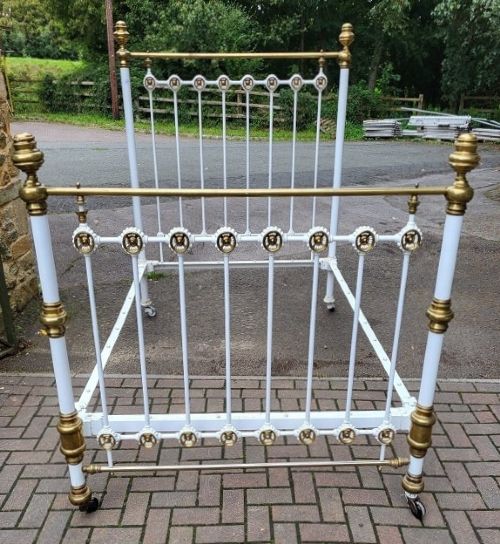
Makers utilised heavy cast iron and wrought iron to form the structural foundations of these beds, frequently pairing them with bright brass tubing and decorative finials. Frames were assembled using robust metal joints, sometimes incorporating wooden elements or ceramic details.
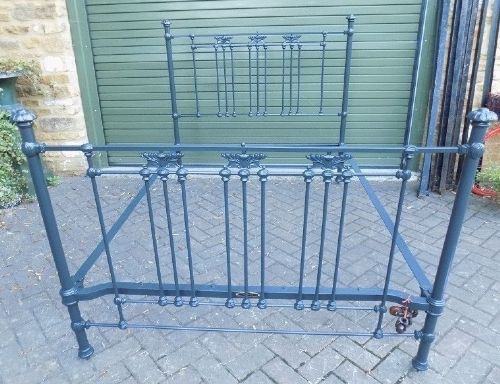
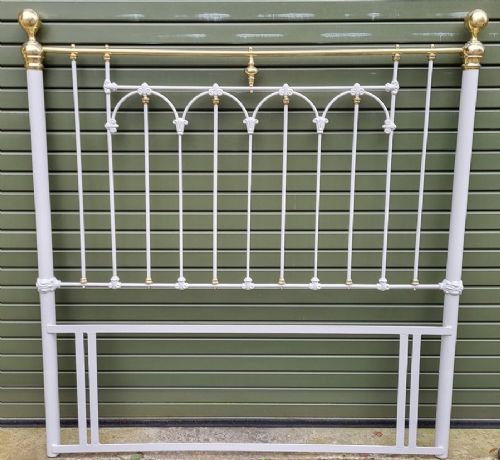
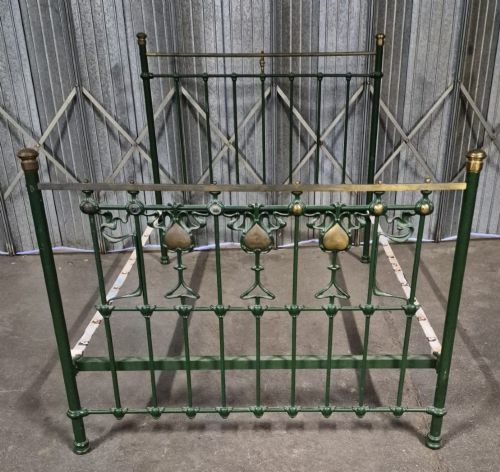
Surfaces were finished with durable painted coatings in black, cream, blue verdigris, and green verdigris, or left as polished metallic surfaces. Many examples integrated castors for mobility and square tubing for enhanced rigidity.
Traditional Iron Frame Retail Price Guide 2026
Typical asking prices for traditional iron frame among the pieces listed under this phrase on Sellingantiques today, from the lower quarter to the upper quarter. They describe what is for sale here now, not the wider market.
Listings feature iron frames spanning the Victorian and Edwardian eras, predominantly incorporating cast iron, brass, and painted wood components.
What varies in quality
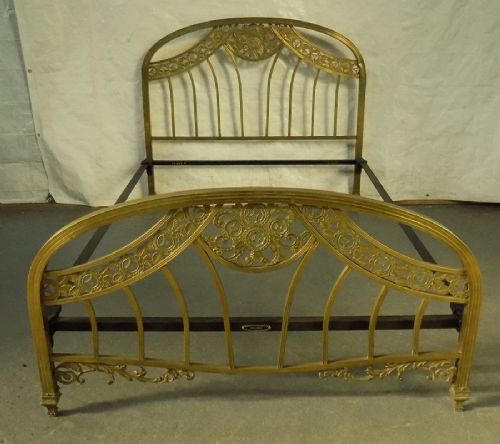
The standard of metalwork and casting definition distinguishes finer examples, where brass components are heavier, finely turned, and securely fitted to the main structure. Simpler utility frames display basic tubular construction, whereas exhibition quality pieces incorporate elaborate half testers, ornate crestings, and intricate brass detailing.
The integrity of the painted and patinated finishes also marks the tier of a piece, with original verdigris or multi-layered enamel showing superior preservation compared to later re-paintings. Structural robustness, from substantial iron rails to original castors and sliding joints, dictates the lasting endurance of each bedstead.
Hoskins and Sewell·James Shoolbred·RW Winfield
The Traditional Iron Frame Glossary
- Half Tester
- A bedstead featuring a partial canopy extending only partway over the head of the bed. This canopy is often supported by projecting brass or iron posts.
- Ball Finial
- A spherical decorative terminal capping the upright posts of a bedstead. These brass or iron spheres terminate the corner vertical members.
- Dip Rail
- A horizontal footboard or headboard rail curved downward in the centre. This configuration creates a softer silhouette on Edwardian and Victorian frames.
- Verdigris
- A green patina formed naturally on copper, brass, or bronze surfaces over time. It is also deliberately applied as a decorative painted finish on iron frames.
- Bedstead
- A framework of a bed designed to support springs and mattress. These structures incorporate headboards, footboards, and side rails.
Traditional Iron Frame: Frequently Asked Questions
How do I fit a modern mattress to a traditional iron frame?
Many antique iron and brass bedsteads were built to nineteenth-century dimensions, which differ slightly from standard modern mattress sizes. Checking the internal width and length between the side rails ensures a correct fit.
Adding a modern slatted wooden base or supportive platform safely adapts the historical frame for contemporary mattresses. This provides a stable foundation while preserving the original side rails.
Can these iron beds be easily dismantled for moving?
Most traditional iron and brass bedsteads utilise slot-in dovetail joints or wedge fixings on the side rails. This clever engineering allows the headboard, footboard, and rails to separate completely without tools.
Careful tapping with a rubber mallet usually releases tight nineteenth-century metal joints. Reassembly is straightforward once the components reach their destination room.
How should I clean painted and brass parts?
Painted iron surfaces respond best to gentle dusting and occasional wiping with a damp cloth, avoiding harsh chemical solvents that might damage original coatings. Preserving the vintage paintwork maintains the authentic character of verdigris or black finishes.
Exposed brass components can be polished lightly with a soft cloth if a bright shine is preferred. Many collectors prefer to leave a natural aged patina undisturbed.
Are these beds strong enough for everyday use?
Victorian and Edwardian iron frames were engineered for heavy daily use using solid cast and wrought iron. Their structural integrity often exceeds modern mass-produced furniture.
Regularly checking and tightening the side rail joints ensures the frame remains entirely rigid. Properly assembled traditional iron frames support modern sleepers securely for decades.