





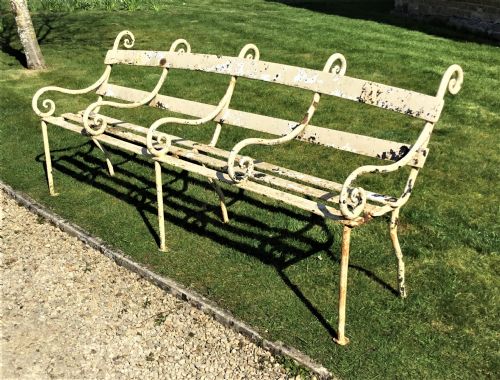
Traditional Iron Bench
A traditional iron bench brings heavy metalwork and timber into gardens and hearths alike.
Traditional Iron Bench
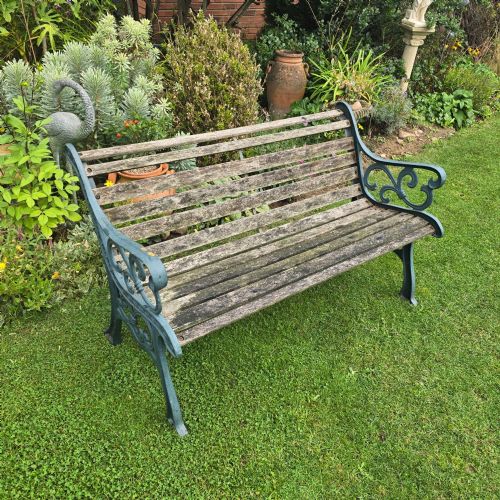
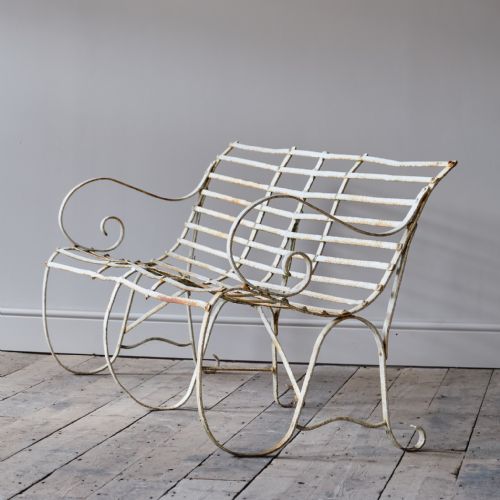
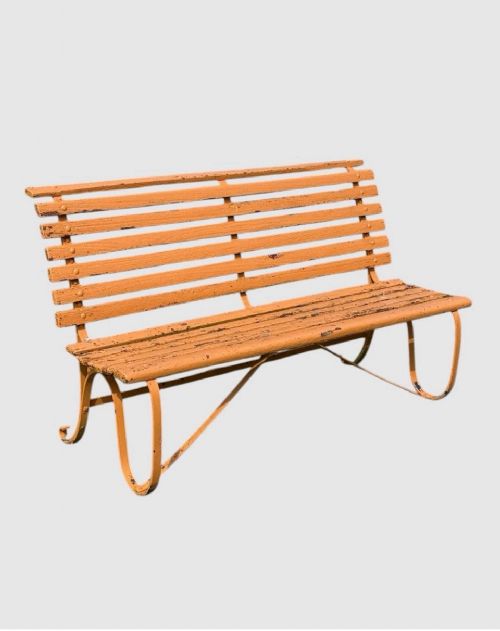
When you search for a traditional iron bench, you encounter a selection spanning garden seating and indoor club fenders. The most common forms on this page are robust garden benches and fireside fenders built from cast or wrought iron.
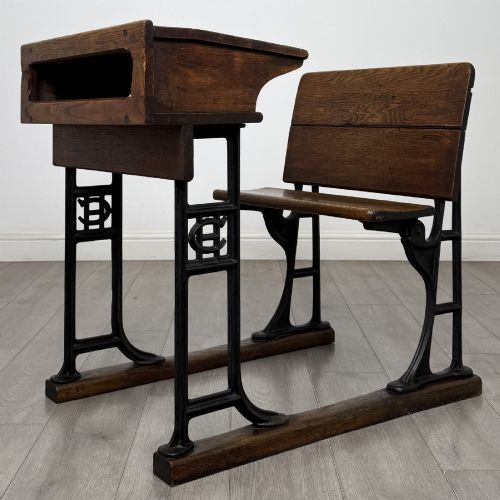
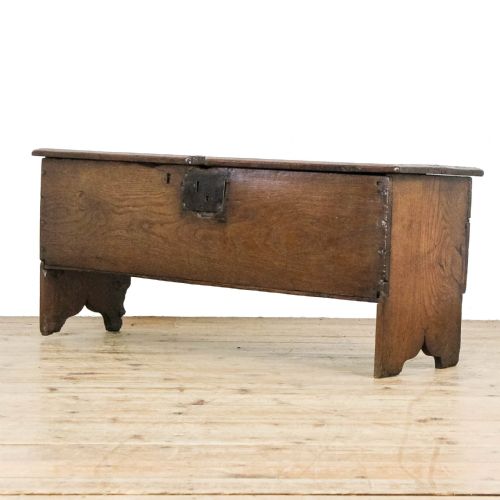
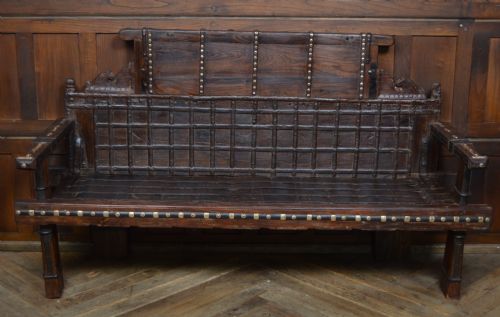
The evidence shows examples dating from the eighteenth century through to the 1930s. Alongside garden benches and park seats, you find specialised seating such as leather-topped club fenders and French workbenches.
Makers utilised various durable materials alongside iron, including timber, brass, steel, and leather. These pieces range from utilitarian workshop benches to decorative Victorian rustic designs.
How they were made
Makers relied primarily on cast iron and wrought iron to build the rigid frames of these benches and fenders. Cast iron allowed for ornate, moulded strapwork and decorative ends, while wrought iron provided flexible strength for structural straps.
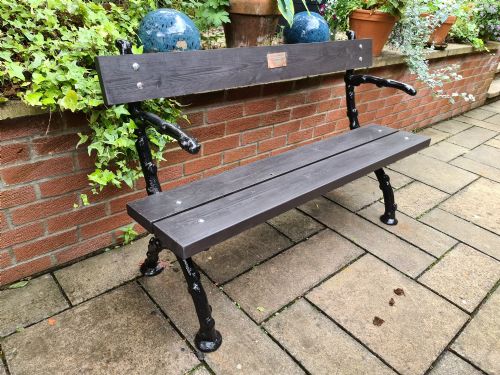
Many garden pieces combined iron frameworks with timber seats or slats to withstand outdoor exposure. Indoor club fenders frequently incorporated leather upholstery and brass or steel details alongside the iron base.
Traditional Iron Bench Retail Price Guide 2026
Typical asking prices for traditional iron bench among the pieces listed under this phrase on Sellingantiques today, from the lower quarter to the upper quarter. They describe what is for sale here now, not the wider market.
Listings span the 18th century, 19th century, Edwardian era, and 1930s, combining cast iron, wrought iron, timber, and leather.
What varies in quality
Quality depends upon the purity of the metalwork and the integrity of the joinery between iron frames and wooden elements. Finer examples display crisp casting details on strapwork and secure, original fixings rather than modern replacements.
The sophistication of the design dictates the tier of the piece, moving from plain utilitarian workbenches to decorative Victorian rustic garden seats. The condition of integrated materials like tan leather and mahogany tops also separates standard items from finer works.
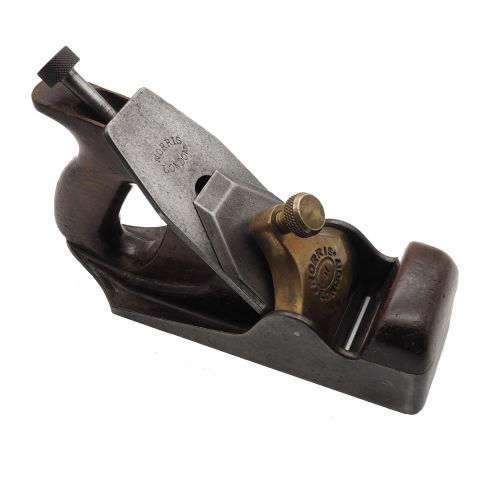
Early Norris London
The Traditional Iron Bench Glossary
- Cast iron
- A hard, brittle alloy of iron and carbon that is poured into moulds to create decorative bench ends and intricate patterns. It formed the foundation for many nineteenth-century garden seats.
- Wrought iron
- Tough, malleable iron that is hammered and bent into shape by hand, often used for strapwork and club fenders. This material handles stress well without snapping.
- Club fender
- A low, U-shaped fireside seat with a metal frame and upholstered top cushions, placed around a hearth. They frequently incorporated wrought iron, brass, and leather.
- Strapwork
- Ornamental flat bands of metal arranged in geometric or interlaced patterns across the backrests and ends of garden benches. It added rigidity alongside visual interest.
- WorkBench
- A sturdy table used by artisans and woodworkers, often featuring integrated vices and heavy timber construction. French variants represent the industrial forms found in this category.
Traditional Iron Bench: Frequently Asked Questions
What is a club fender?
A club fender is a low fireside seat built with an iron or brass frame that surrounds the hearth. These pieces typically feature upholstered leather tops for seating.
They originated in British drawing rooms to provide comfortable proximity to the fire while protecting occupants from stray embers.
Are iron benches suitable for outdoors?
Traditional iron garden benches are built from durable cast or wrought iron designed to withstand outdoor conditions. Many examples combine these metal frames with timber slats.
Over decades, exposure creates a natural weathered patina on both the iron and the wood.
How do I date a garden bench?
Dating relies on stylistic clues, manufacturing techniques, and material combinations seen across different periods. Victorian examples often display heavy cast strapwork, while earlier eighteenth-century pieces utilise simpler, hand-forged methods.
Makers also incorporated brass, steel, or specific timber types that correspond to distinct eras from the 1700s to the 1930s.
What materials are used besides iron?
Makers frequently paired iron frames with solid timber seats, mahogany tops, and oak planks. Indoor club fenders often added leather upholstery and brass or steel components.
Paint finishes also appear on various garden seats from the nineteenth and early twentieth centuries.