

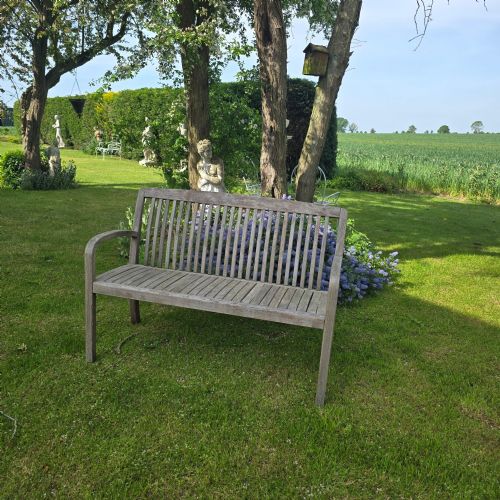


Timber Slatted Park Bench
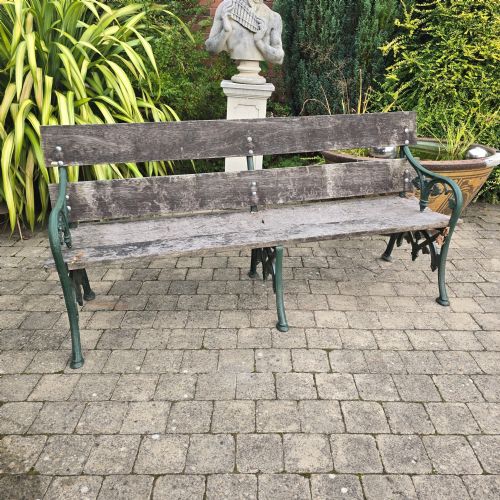
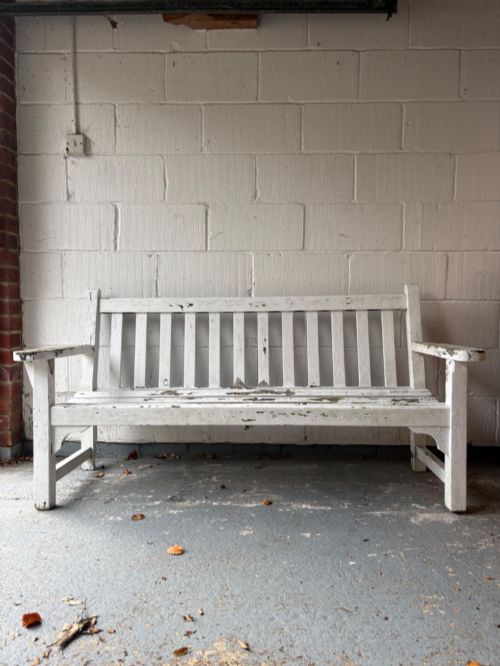
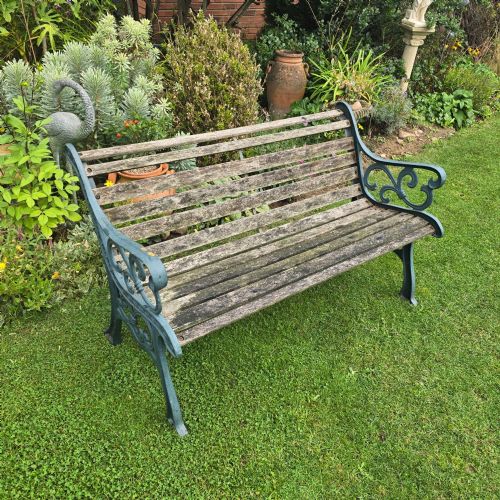
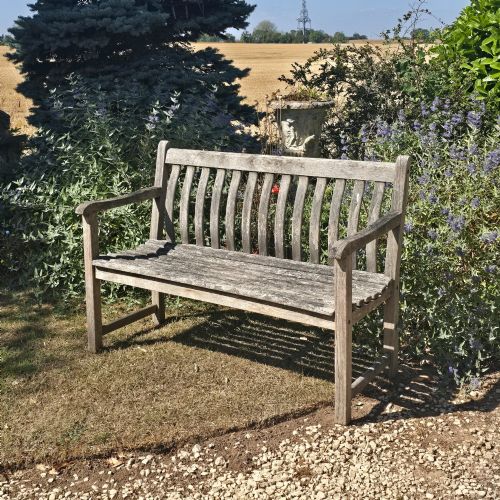
These timber slatted park bench examples bring enduring garden utility to a terrace, combining robust metal frames with classic slatted seating.
Timber Slatted Park Bench
A timber slatted park bench provides classic outdoor seating shaped by Victorian, Edwardian, and early twentieth-century traditions. Buyers searching for a timber slatted park bench encounter sturdy garden furniture designed for resilience against the elements.
The selections available span multiple decades, including examples from the nineteenth century, the Edwardian era, and the nineteen-twenties and nineteen-thirties. These forms serve traditional English garden settings and rustic outdoor spaces effectively.
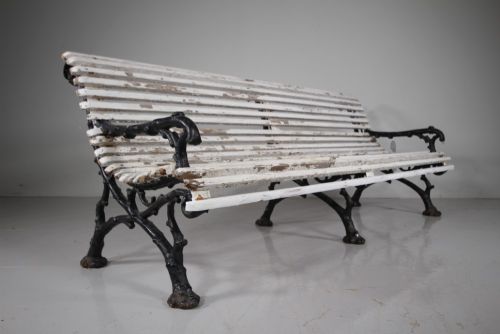
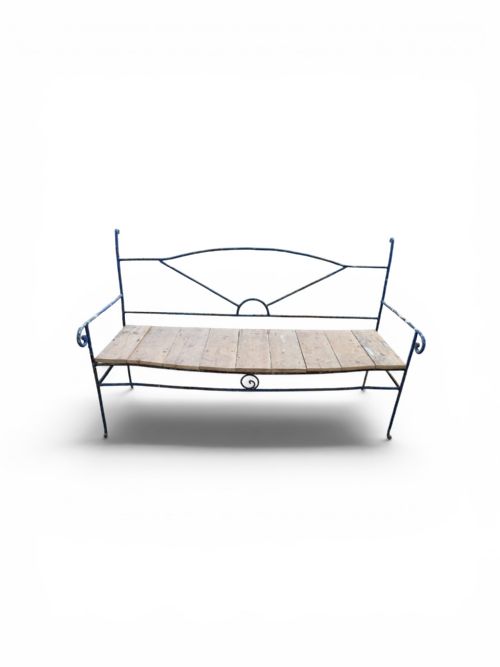
Most pieces combine slatted wood seats and backs with heavy metal supports, often utilising teak and cast iron or wrought iron. Painted finishes and weathered silvered surfaces appear frequently across the available items.
How they were made
Construction relies on durable hardwoods such as teak, chosen for its natural resistance to weathering, paired with robust cast iron or wrought iron frameworks. Metal components often feature decorative casting patterns, particularly in Victorian rustic styles.
Wooden slats are carefully fitted to metal or timber underframes to distribute weight evenly across the seat and backrest. Surface treatments include protective paint layers and natural weathering that leaves the wood with a silvered patina.
Timber Slatted Park Bench Retail Price Guide 2026
Typical asking prices for timber slatted park bench among the pieces listed under this phrase on Sellingantiques today, from the lower quarter to the upper quarter. They describe what is for sale here now, not the wider market.
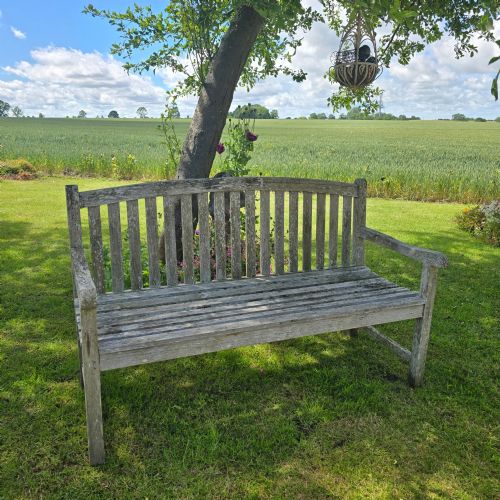
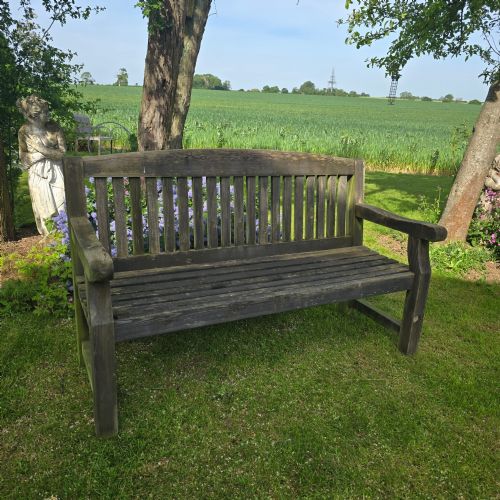
Several benches carry decades of quiet garden rain and sunshine directly on their well-silvered wooden slats.
What varies in quality
Quality differences emerge in the weight and complexity of the metal castings and the denseness of the timber utilised. Finer examples display crisp casting details on the iron ends and superior timber selection that ages gracefully.
The integrity of the original construction and the degree of honest weathering dictate the overall character of each bench. Pieces that retain their balanced proportions and structural harmony command greater appreciation.
The Timber Slatted Park Bench Glossary
- Teak
- A dense tropical hardwood prized for outdoor use due to its natural oils and resistance to decay. It develops a distinctive silvered appearance over decades of exposure.
- Cast Iron
- Molten iron poured into a mould to create rigid structural ends and decorative bench supports. This material provides substantial weight and stability.
- Wrought Iron
- Iron heated and hammered into shape by hand, offering high tensile strength for structural elements. It appears in traditional garden seating frames.
- Edwardian
- A stylistic period spanning the reign of King Edward VII, noted for lighter and often more refined interpretations of earlier designs. Benches from this era reflect these elegant proportions.
Timber Slatted Park Bench: Frequently Asked Questions
How do I care for a weathered timber bench?
Teak benches require very little intervention because the natural oils protect the wood against moisture. Allowing the timber to weather naturally produces a silvered finish without needing heavy maintenance.
Applying oils can alter the colour, so many owners prefer to leave the material untouched. Regular cleaning with mild soapy water removes surface dirt effectively.
Can these benches stay outdoors all year?
Hardwood and cast iron combinations withstand seasonal changes successfully. The durable nature of teak and iron makes them well suited for permanent outdoor placement.
Protecting the benches during severe winter weather helps preserve the timber and paint finishes. Positioning them on firm paving prevents moisture from soaking into the base of the legs.
What is the difference between Victorian and Edwardian benches?
Victorian examples often feature heavier cast iron frames with elaborate rustic or floral patterns. They project a robust and substantial presence in a garden.
Edwardian designs tend toward simpler lines and lighter proportions. This shift reflects changing tastes at the turn of the twentieth century.
How do I identify a vintage teak bench?
Vintage teak displays a dry, silvered surface texture acquired through decades of exposure to sun and rain. The timber grain feels dense and heavy compared to modern softwoods.
Construction methods such as traditional joinery and heavy iron fixings point toward earlier manufacturing dates. Examining the patina helps confirm the age of the wood.