
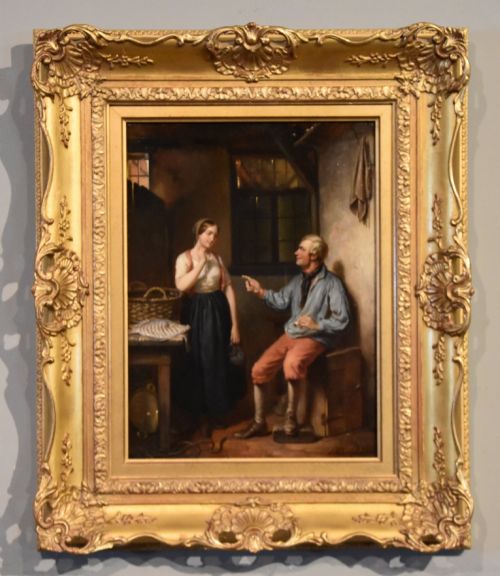
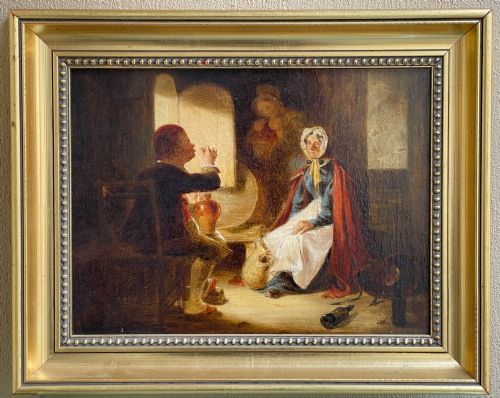
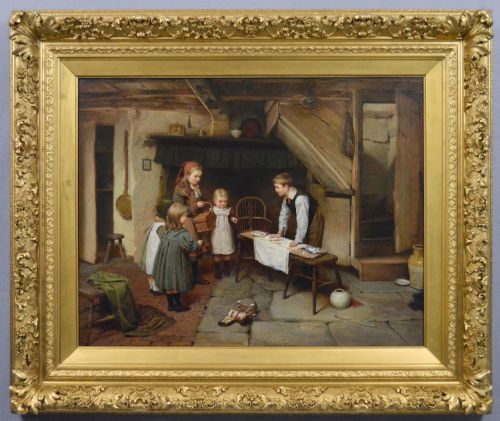
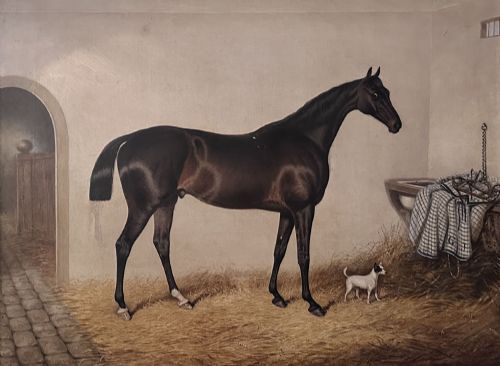


Traditional Interior Oil Painting
A traditional interior oil painting captures domestic life and domestic spaces, offering a direct view into historical domestic routines.
Traditional Interior Oil Painting
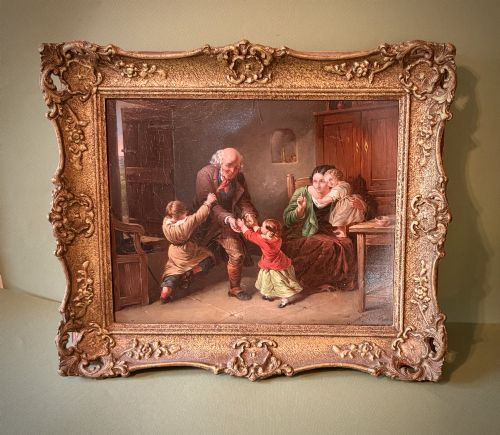
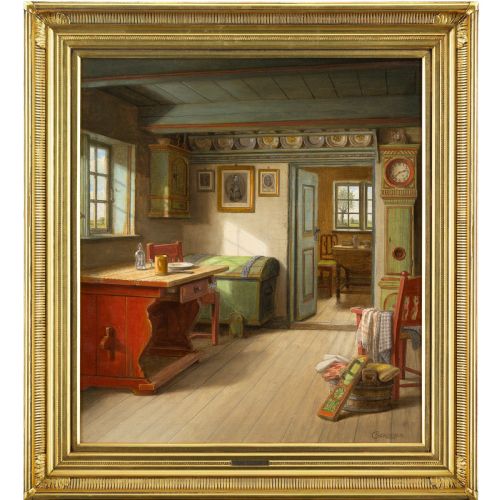
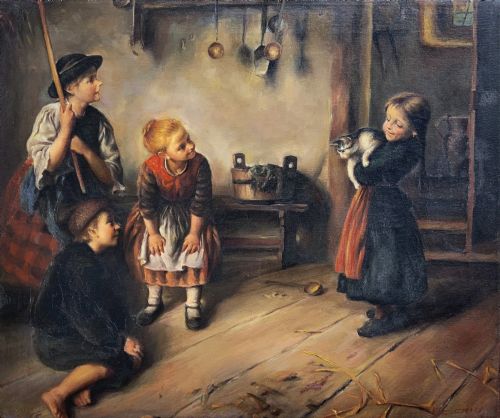
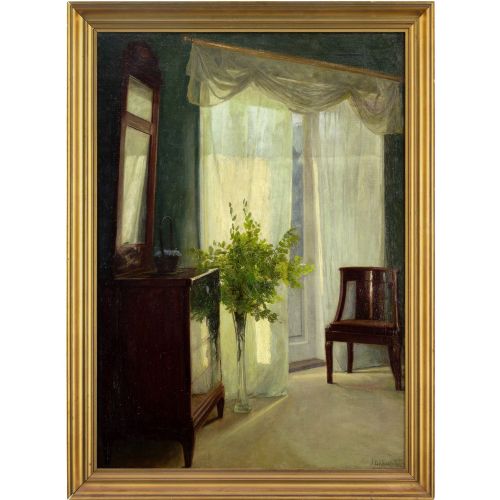
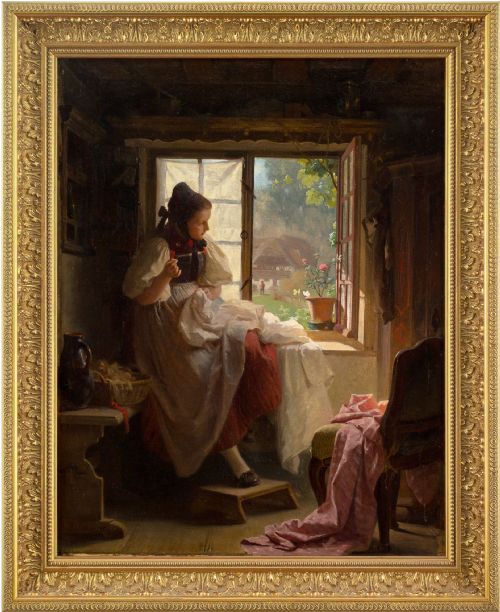
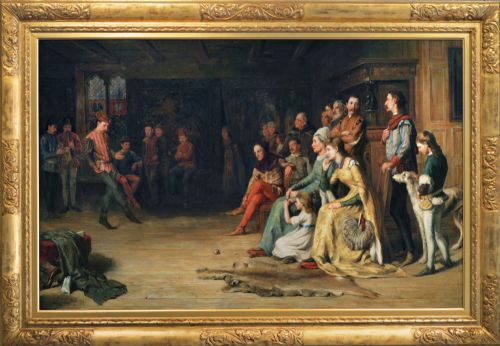
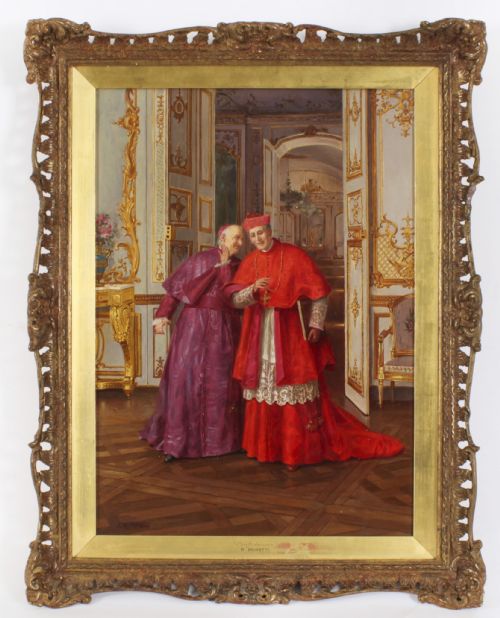
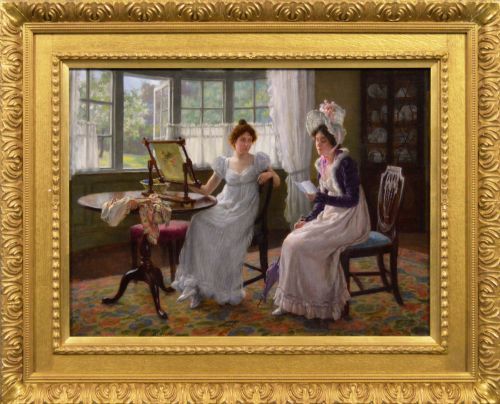
A traditional interior oil painting depicts domestic scenes, cottage life, and historical household settings captured on canvas or board. These works range from quiet moments by a window to bustling tavern scenes and stately home gatherings.
The selections available here lean heavily into Victorian realism, genre painting, and nineteenth-century domestic subjects. Painters recorded daily routines, family interactions, and quiet domestic corners with careful observation.
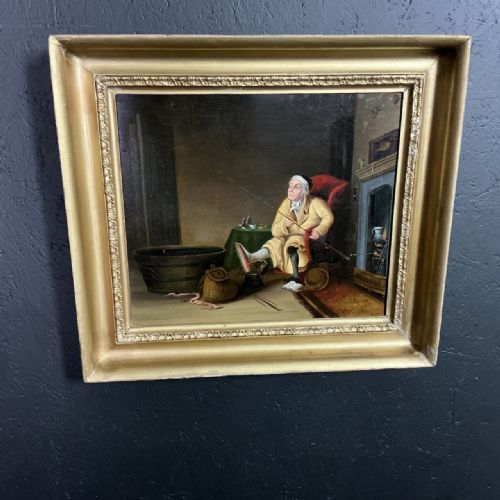
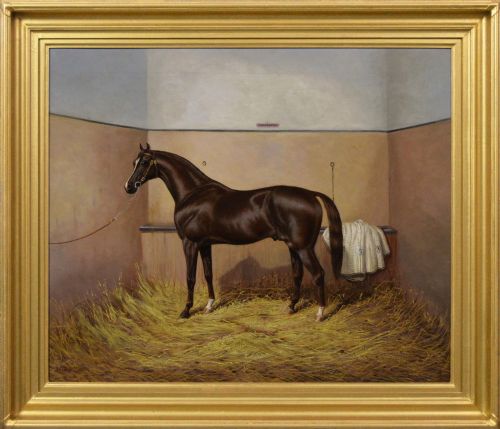
Alongside cottage interiors, the works include tavern scenes, stable interiors, and historical domestic subjects. These pieces preserve the texture of historical domestic architecture and furnishing.
How They Were Made
These works rely on oil paint applied to stretched canvas, wooden panels, or copper plates. Artists built up depth through layered glazes and opaque pigments to catch light in domestic settings.
Many of these paintings retain their period frames constructed from wood, gesso, and gold leaf. These giltwood surrounds often match the specific aesthetic of the Victorian era.
The selection includes domestic genre scenes, tavern interiors, and animal studies from British and European schools.
What Varies in Quality
Quality rests in the handling of light, shadow, and human expression within confined spaces. Superior works manage ambient illumination, such as sunlight through a door or firelight at a hearth, with notable subtlety.
The definition in figures, textiles, and domestic objects separates masterworks from standard studio production. Stronger compositions maintain anatomical precision and narrative clarity across complex multi-figure household scenes.
Max Kaltenmoser·James Hamilton·Harry Brooker·Charles Haigh Wood·Frank Moss Bennett·Haynes King·Benjamin Cam Norton·Alfred Provis·Robert Alexander Hillingford·Ralph Hedley
The Traditional Interior Oil Painting Glossary
- Genre painting
- Depiction of aspects of everyday life by depicting ordinary people engaged in common activities. These works often focus on domestic interiors, tavern gatherings, and cottage scenes.
- Gesso
- A plaster mixture used as a smooth base for painting on wood or as a moulding material for picture frames. It provides the foundation for the gilt leaf applied to traditional frames.
- Oil on canvas
- Pigment mixed with drying oil applied to a woven fabric support. This combination allows for rich blending and depth in historical paintings.
- Old master golden age style
- An artistic approach emulating the techniques and lighting of seventeenth-century Dutch painters. This style emphasises dark backgrounds punctuated by warm interior light.
Traditional Interior Oil Painting: Frequently Asked Questions
What is a traditional interior oil painting?
A traditional interior oil painting portrays domestic scenes, household chores, or social gatherings inside historical buildings. These artworks document past lifestyles, domestic architecture, and interior furnishings.
Artists used oil paint on canvas or wood to record the play of light within domestic spaces. Subjects range from quiet cottage corners to grand stately home interiors.
How do I hang a heavy oil painting?
Large nineteenth-century oil paintings require secure wall anchors or direct attachment to wall studs. Due to the weight of thick wooden stretchers and heavy gilt frames, standard picture hooks rarely suffice.
Professional framing wire and heavy-duty D-rings distribute the load evenly across the wall fixings. Ensure the hanging height places the centre of the canvas at eye level.
What lighting suits these paintings?
Indirect, balanced lighting highlights the fine brushwork and layered glazes of oil paintings. Avoid direct, harsh spotlights that generate excessive heat and cause glare on the varnished surface.
Modern LED picture lights mounted above the frame provide cool, even illumination. Position lights to prevent reflections from obscuring the details of the interior scene.