




Traditional Indian Table
A traditional Indian table brings warmth and rich cultural history into a room through hand-carved wood, intricate brass, and vibrant lacquer work.
Traditional Indian Table
A traditional Indian table encompasses low occasional furniture, chess tables with inlaid marble, and carved wooden pieces originating from the nineteenth and early twentieth centuries. These items reflect distinct regional artistry, ranging from Victorian colonial influences to intricate Kashmiri designs.
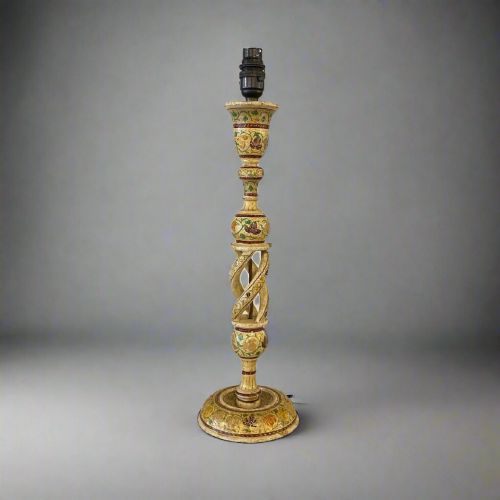
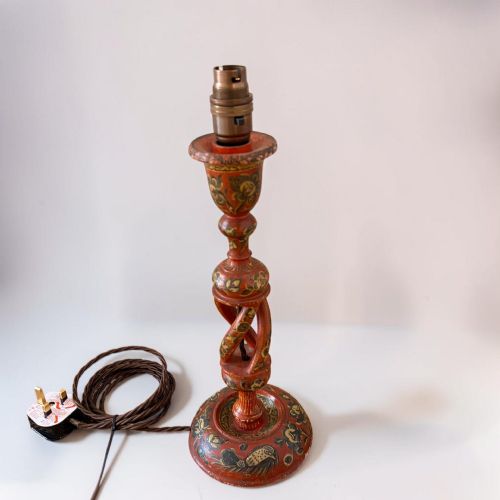
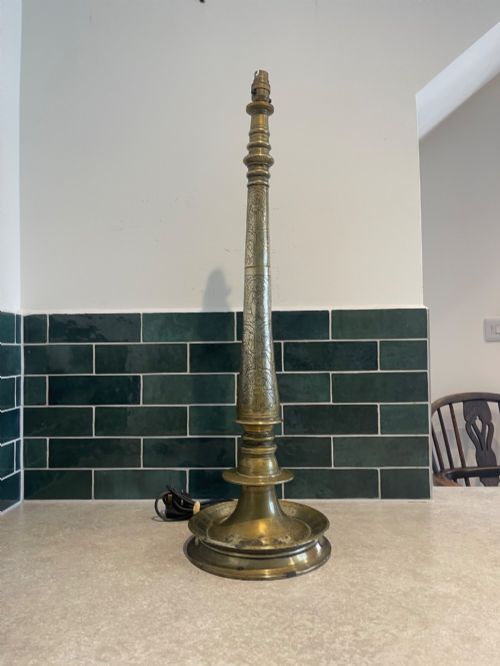
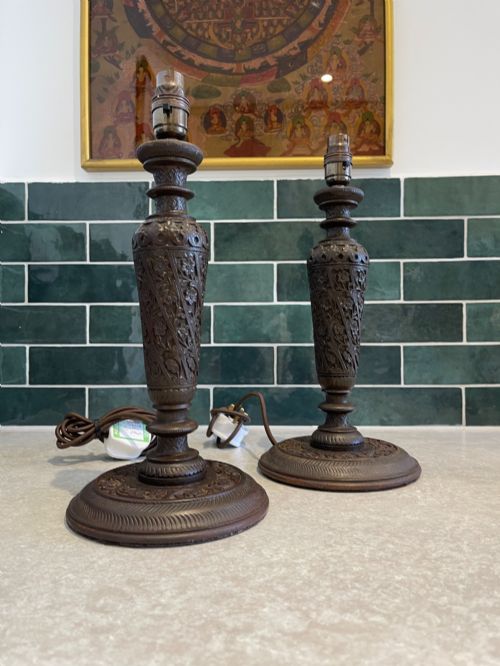
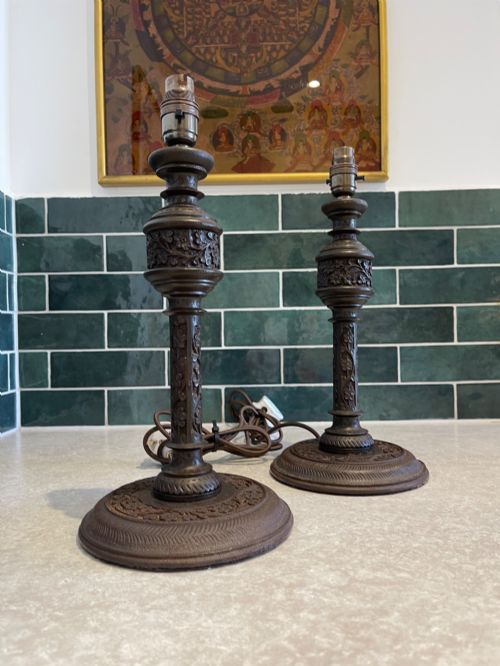
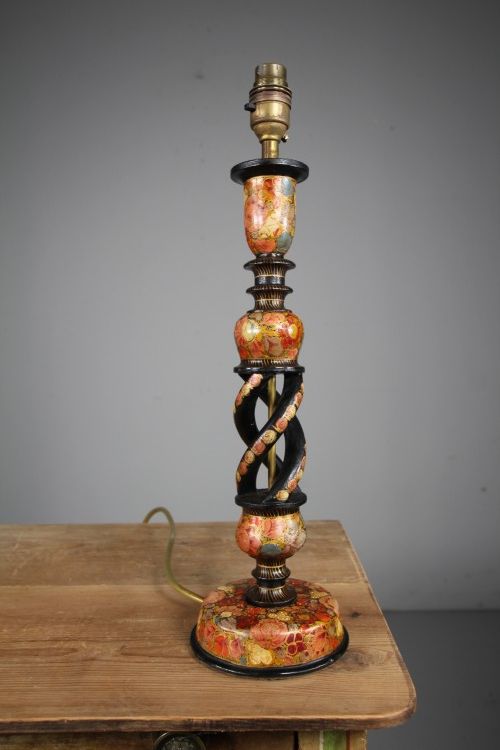
The pieces appearing on this page span several decades of craftsmanship, including examples from the mid-nineteenth century up to the nineteen-twenties. Alongside low coffee tables and chess tables, buyers encounter complementary decorative items such as table lamps, trays, and carved wooden seats.
Stylistically, the selection bridges Anglo-Indian, Kashmiri, and Asian folk art traditions. The most common furniture forms are low tables and inlaid chess tables, which showcase the dense woods and ornate surface decoration typical of the period.
Materials and construction methods
Makers utilise dense timbers such as walnut and teak, shaping them through detailed hand carving to form the structure of tables, trays, and lamp bases. These woods provide a sturdy foundation for intricate surface work.
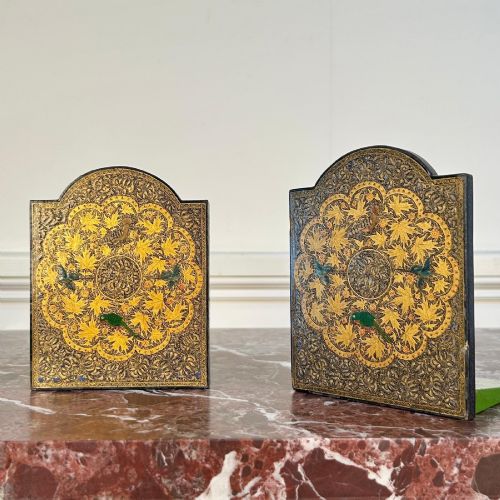
Decoration relies on traditional techniques including red lacquer applications, hand painting, and inlaid marble. Artisans also incorporate brass components and papier-mâché to build texture and contrast across the pieces.
Traditional Indian Table Retail Price Guide 2026
Typical asking prices for traditional indian table among the pieces listed under this phrase on Sellingantiques today, from the lower quarter to the upper quarter. They describe what is for sale here now, not the wider market.
The inventory includes functional items like chess tables and trunks alongside decorative panels and sculptural elephant seats.
Distinctions in quality and execution
The excellence of a piece rests on the precision of its hand-carved details and the finesse of its inlaid work or painted lacquer. Superior examples display crisp lines and secure joinery that demonstrate disciplined artisan skill.
The integrity of the original materials, whether seasoned walnut, solid teak, or fine marble inlay, distinguishes finer historical items from simpler decorative objects. Age-appropriate patination on brass and wood further indicates authentic period manufacture.
The Traditional Indian Table Glossary
- Anglo-Indian
- A descriptive term for furniture and decorative arts made in India during the British colonial period, combining local craftsmanship with European forms. These objects often feature dense carving and exotic woods.
- Kashmiri
- Pertaining to the region of Kashmir, known for distinctive decorative arts including painted papier-mâché, rich wood carving, and walnut trays. Items from this tradition often display vibrant floral or geometric motifs.
- Inlay
- A technique where contrasting materials such as marble or metal are embedded into recesses within a wooden surface to create a decorative pattern. This method requires exact precision to achieve a smooth finish.
- Lacquer
- A traditional resin-based finish applied in multiple layers to wood and other surfaces, frequently painted in vibrant colours like red. It provides a hard, glossy protective coating with deep visual lustre.
- Colonial Indian
- Referring to pieces produced under British rule that merge traditional Indian construction methods with British room layouts and functional requirements. Such items frequently utilise teak and brass.
Traditional Indian Table: Frequently Asked Questions
How do I identify a Victorian Indian table?
Victorian Indian tables typically exhibit dense hand-carved ornamentation, utilising dense timbers like teak or walnut that reflect nineteenth-century colonial design preferences.
Examine the construction methods and joinery to determine the period, as authentic pieces display period-appropriate wear and regional hand-finishing techniques.
Where should I place a low Indian table?
A low Indian table works effectively as a central coffee table in a living space or as an accent piece in a study, providing a distinct surface for display.
Ensure the surrounding seating matches the height of the table to maintain a balanced and functional room arrangement.
How do I care for lacquered wooden furniture?
Lacquered surfaces require gentle cleaning with a soft, dry cloth to prevent dust accumulation without harming the delicate painted finish.
Keep these pieces away from direct sunlight and excessive moisture to preserve the integrity of the original lacquer and wood underneath.