



Traditional Indian Papier Mache
Traditional indian papier mache brings rich hand-painted pattern and distinctive craft into a room, offering functional vessels and lighting from historic workshops.
Traditional Indian Papier Mache
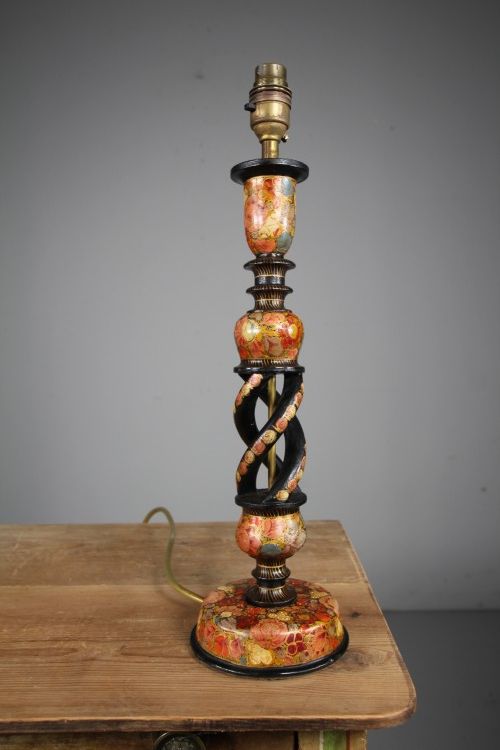
A buyer examining these listings will most frequently encounter table lamps and painted boxes dating from the nineteenth century through the nineteen-thirties. The selection spans distinct regional expressions such as Kashmiri, Anglo-Indian, and Indo-Persian styles, showcasing detailed surface decoration on papier-mache and wood forms.
How traditional indian papier mache was made
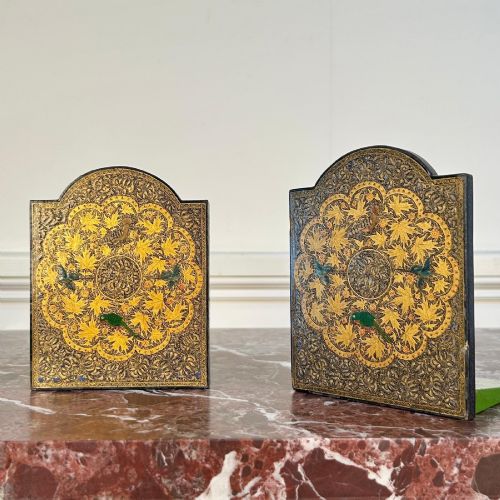
Artisans constructed the foundational body using layers of paper pulp or bonded sheets, combined with wood where structural rigidity was required for items such as bookends and lamp bases. This composite base received smooth preparation coats to prepare the surface for subsequent decoration.
Painters applied intricate surface ornamentation using vibrant paint and protective lacquer finishes, sometimes incorporating materials like brass, fabric, and leather for functional detailing. The resulting pieces reflect traditional regional techniques passed down through generations of makers.
Traditional Indian Papier Mache Retail Price Guide 2026
Typical asking prices for traditional indian papier mache among the pieces listed under this phrase on Sellingantiques today, from the lower quarter to the upper quarter. They describe what is for sale here now, not the wider market.
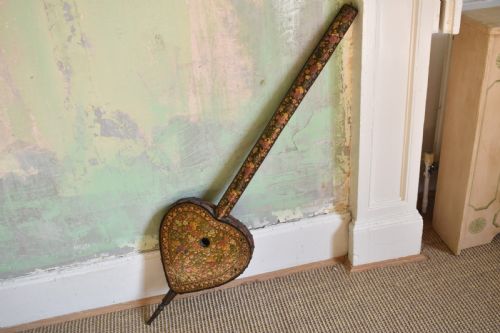
Fire bellows in this tradition suggest that even keeping the hearth stoked was once an excuse for vibrant Kashmiri pattern.
What varies in quality
Quality in traditional indian papier mache is primarily determined by the fineness and preservation of the hand-painted surface decoration. Pieces displaying crisp, detailed motifs and intact lacquer demonstrate superior execution compared to those with worn or simplified ornamentation.
The sophistication of the form and the preservation of original materials also differentiate examples across the range. Items retaining their original integrated components, such as lamp fittings or matched sets of graduated boxes, command closer attention from collectors.
The Traditional Indian Papier Mache Glossary
- Papier-mache
- A composite material made from paper pulp or layers of paper bound with adhesive, moulded and dried to form rigid decorative objects. This technique allows for lightweight yet durable vessels and lamp bases that accept painted decoration exceptionally well.
- Kashmiri
- Pertaining to the region of Kashmir, known for distinctive decorative arts including painted papier-mache and woodwork. This designation appears frequently across nineteenth and early twentieth-century lighting and boxes.
- Lacquer
- A clear or coloured protective coating applied over painted surfaces to provide a durable sheen. It safeguards the delicate pigments beneath from handling wear and moisture.
- Anglo-Indian
- A style describing objects made in India during the British period, often blending traditional local craft methods with forms suited to Western interiors. These pieces frequently combine regional ornamentation with functional European object types like table lamps.
- Indo-Persian
- An artistic style reflecting the historical confluence of Indian and Persian design traditions, characterised by flowing floral motifs and intricate geometric patterns. This influence appears widely in the surface painting of traditional boxes and vessels.
Traditional Indian Papier Mache: Frequently Asked Questions
How are traditional indian papier mache lamps wired?
Many antique table lamps from this tradition have been rewired at various points in their history to meet modern electrical standards. Buyers should examine the specific listing details to understand the current state of the internal wiring.
Because these pieces often feature delicate papier-mache or wooden columns, electrical updates are typically executed with care to preserve the original structural integrity of the base.
How do I clean papier mache?
Maintenance requires gentle dusting with a dry, soft cloth to prevent accumulation without introducing moisture. Liquid cleaners and excessive dampness can damage the painted decoration and lacquer finish.
Keeping these items away from direct sunlight and high humidity helps preserve the vibrant pigments and protective coatings over time.
What periods do these pieces date from?
The available selection primarily spans the nineteenth century through the early decades of the twentieth century, specifically including pieces from the nineteen-twenties and nineteen-thirties. Nineteenth-century examples often showcase earlier regional painting styles.
Twentieth-century iterations continue traditional forms while adapting to changing interior lighting preferences and decorative box designs.
How were decorative boxes used?
These boxes served practical storage functions for small personal items, documents, or valuables within traditional and colonial interiors. Graduated sets allowed for nested storage when not displayed on surfaces.
Their decorative painted exteriors ensured they functioned as ornamental objects on tables and mantelpieces even while holding contents inside.