



Traditional Indian Chest
These traditional indian chest examples are substantial storage pieces originating from the nineteenth century and the early decades of the twentieth century, offering robust construction and distinct regional character.
Traditional Indian Chest
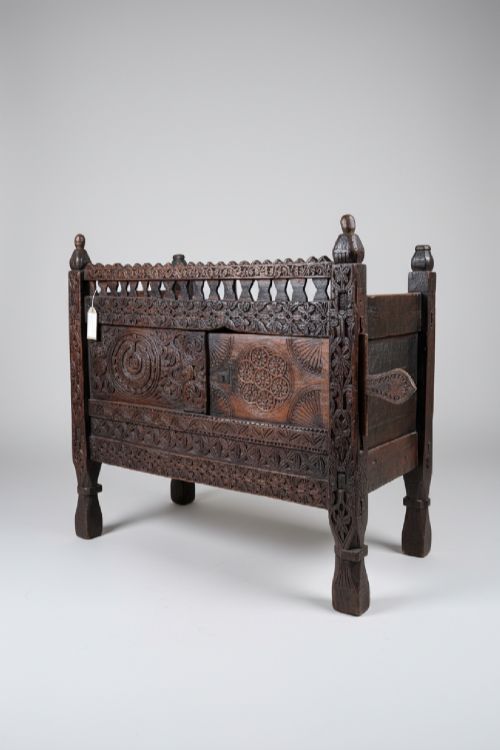
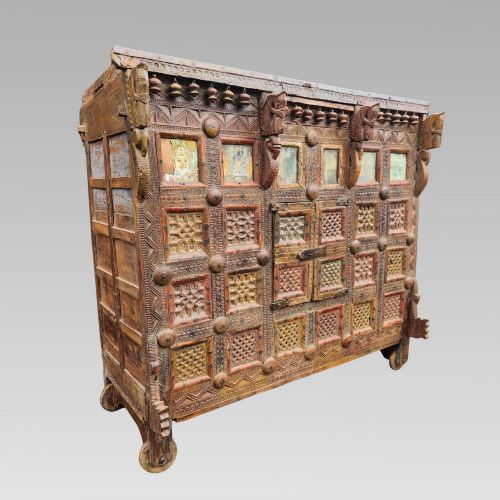
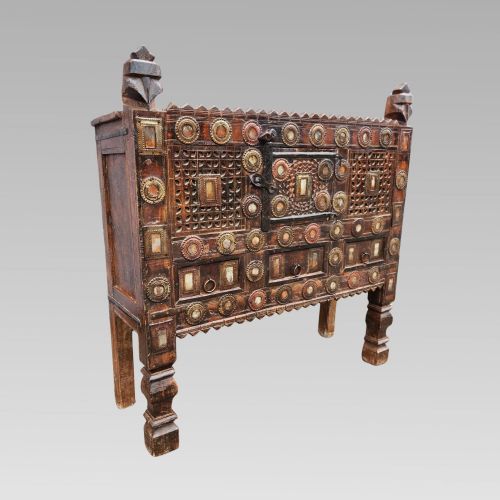
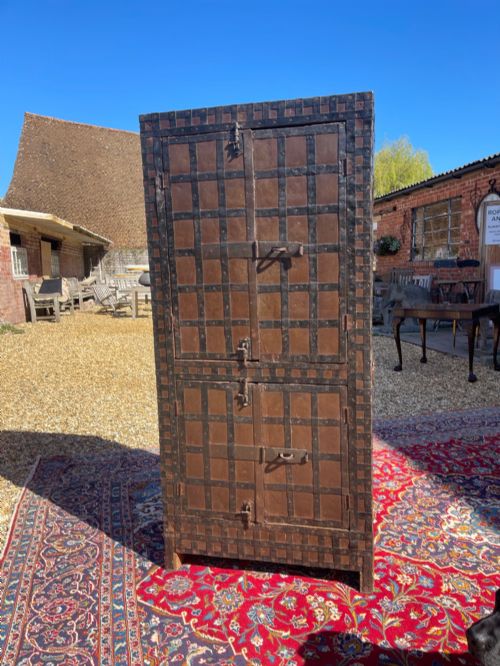
When you search for traditional indian chest, you encounter heavy dowry chests, marriage chests, and metal-bound trunks originating from various regions including the Swat Valley and Jaisalmer. These items serve primarily as deep storage vessels, often taking the form of low cabinets known as damchiyas or large rectangular trunks.
The pieces appearing on this page date from the mid-nineteenth century through to the early twentieth century, encompassing Victorian and colonial influences alongside distinct folk art traditions. Most examples function as storage cabinets or heavy trunks, displaying functional ironwork and carved wooden surfaces.
You are most likely to meet heavy teak or hardwood trunks secured with iron straps, alongside intricately carved dowry chests designed for domestic use. These objects reflect the material culture of nineteenth and early twentieth century South Asia, preserved through generations of practical use.
How they were made
Makers constructed these storage pieces using durable tropical timbers such as teak, cedar wood, and general hardwood, chosen for structural strength. Carpenters joined heavy planks using traditional framing techniques to withstand the weight of stored household goods and dowry items.
Blacksmiths and metalworkers reinforced many of these trunks using wrought iron straps, brackets, and heavy brass fittings to secure the corners and lids. Glass elements and detailed surface carvings appear on specific regional variants, adding decorative contrast to the dense timber.
Traditional Indian Chest Retail Price Guide 2026
Typical asking prices for traditional indian chest among the pieces listed under this phrase on Sellingantiques today, from the lower quarter to the upper quarter. They describe what is for sale here now, not the wider market.
The documented styles include Anglo-Indian, Swat Valley folk art, and colonial variants applied to trunks, coffers, and damchiyas.
What varies in quality
Quality in a traditional indian chest depends upon the depth of the carving, the integrity of the timber, and the substantial nature of the metal mounts. Pieces featuring detailed figural or geometric carving across teak panels represent a higher standard of workmanship than plain utility boxes.
The condition and completeness of the original brass and iron hardware also distinguish superior examples. Heavy forged iron binding and intact structural framing elevate the character of nineteenth-century trunks above later or simpler iterations.
The Traditional Indian Chest Glossary
- Damchya
- A traditional low storage cabinet or dowry chest featuring heavily carved wooden panels and a hinged front or top. These pieces often incorporate small internal compartments for valuables.
- Dowry chest
- A large container traditionally given to a bride upon marriage to hold her household goods, textiles, and personal items. Families often commissioned elaborate examples to display social standing.
- Swat Valley folk art
- A regional decorative style characterised by geometric carving and chip-carved motifs originating from the northern mountain regions. Items from this area display distinct vernacular patterns.
- Hardwood
- A dense, durable timber classification that includes teak and cedar used in the construction of nineteenth-century trunks. These woods resisted pests and tropical climates.
- Wrought iron binding
- Metal straps and corner braces hammered into shape to reinforce the wooden walls and lids of heavy trunks. This reinforcement provided structural stability during transport.
Traditional Indian Chest: Frequently Asked Questions
What is a traditional indian chest?
These pieces are heavy wooden storage containers, dowry chests, and trunks made in South Asia during the nineteenth and early twentieth centuries.
They combine dense timbers like teak and hardwood with structural iron or brass bindings to create secure domestic storage.
How were dowry chests used?
Families used these chests to store textiles, clothing, and valuables prepared for a bride's new household.
They functioned as secure furniture items within the home, often doubling as seating or low display surfaces.
How do I date a traditional indian chest?
Dating relies on timber selection, construction methods, and the style of ironwork or carving present on the piece.
Nineteenth-century examples frequently display hand-forged iron bindings and dense teak timbers characteristic of regional workshops from that era.
Where did these chests originate?
These storage pieces originate from various regions across the Indian subcontinent, including specific areas like Jaisalmer and the Swat Valley.
Different localities developed distinct carving styles, such as the folk art patterns found in northern mountain districts.
How do I care for a teak chest?
Maintain the timber by keeping the piece away from direct heat sources and sudden humidity changes that can affect old wood.
Apply natural wax sparingly to nourish the dry hardwood surfaces without harming the original finish.