





Traditional Imari Platter
A traditional imari platter brings together robust ceramic forms and striking cobalt underglaze, catching the eye with centuries of decorative tradition.
Traditional Imari Platter
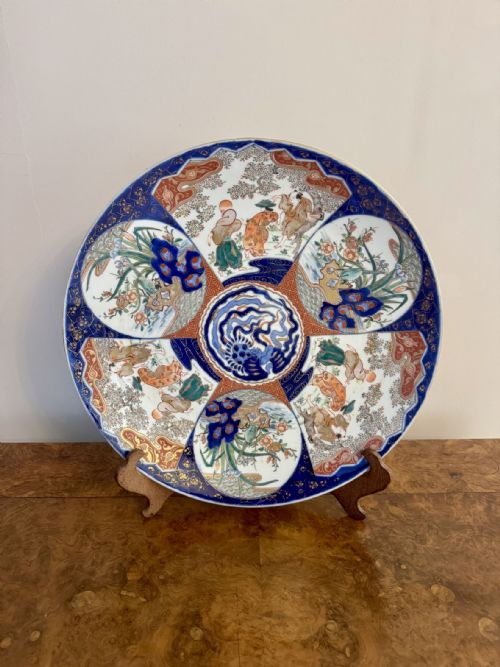
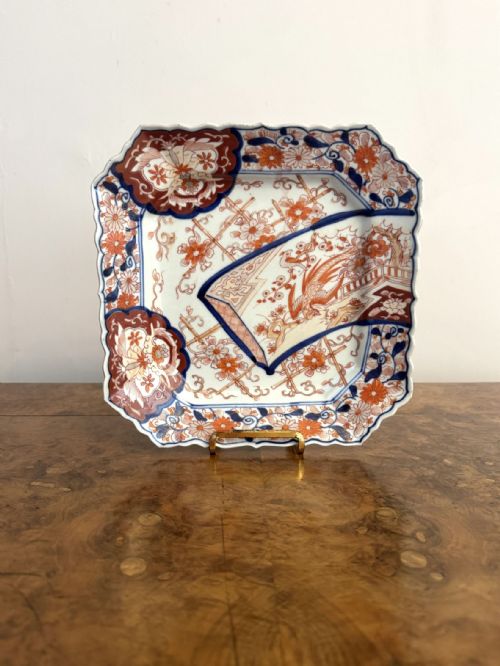
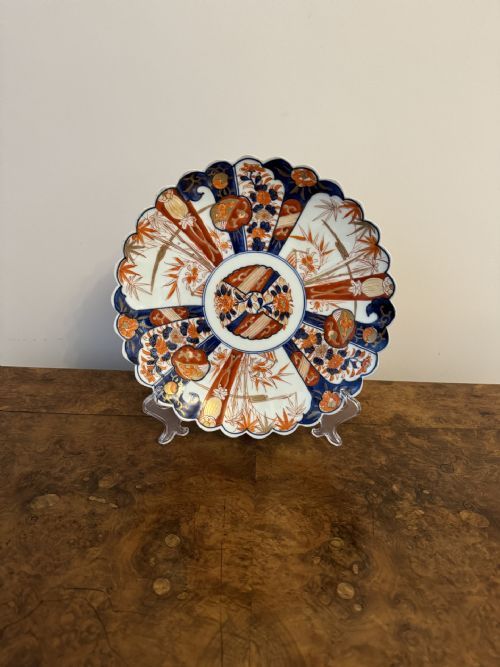
A traditional imari platter represents a striking category of ceramic ware, appearing across listings primarily in large plate, charger, and dish formats. Buyers searching this phrase encounter examples originating from Japanese and Chinese traditions, spanning periods from the late seventeenth century through the Victorian and Edwardian eras into the early twentieth century.
The physical forms include round charges, scalloped edge large plates, square shaped plates, and fruit display plates alongside ironstone dishes. These pieces function historically as both decorative chargers and serving platters, displaying the distinct aesthetic sensibilities of their respective periods such as the Meiji period and Edo period.
How they were made
The construction of these pieces relies on ceramic, porcelain, and ironstone bodies finished with applied glaze and enamel. Artisans shaped these materials into substantial plates and chargers designed to support intricate surface decoration.
Visual depth comes from cobalt underglaze work combined with gold leaf, gilt, and gilding accents. This combination of mineral pigments and metallic leaf creates the signature layered palette characteristic of the tradition.
Traditional Imari Platter Retail Price Guide 2026
Typical asking prices for traditional imari platter among the pieces listed under this phrase on Sellingantiques today, from the lower quarter to the upper quarter. They describe what is for sale here now, not the wider market.
Materials recorded across these pieces feature porcelain, ironstone, ceramic, glaze, enamel, gold leaf, and cobalt underglaze.
What varies in quality
The standard of a traditional imari platter rests upon the crispness of the cobalt underglaze painting and the precise application of enamel and gold leaf. Superior examples demonstrate a confident hand in the brushwork and a balanced composition across the surface of the charger.
Form also distinguishes the range, with unusual square shapes, scalloped edges, and exceptionally large dimensions marking out pieces that depart from standard round formats. The integrity of the glaze and the richness of the gilding further divide standard production from exceptional pieces.
The Traditional Imari Platter Glossary
- Charger
- A large decorative plate or platter intended for display or ceremonial use rather than standard dining. These pieces often measure significantly wider than conventional dinner plates.
- Cobalt underglaze
- A blue pigment applied directly to the ceramic body before glazing and firing, ensuring the colour remains permanent and protected beneath the glassy surface. It forms the foundation of the classic palette.
- Aka-e
- A style of Japanese decoration characterised by red iron-oxide painting, frequently paired with gold and cobalt. The term translates to red pictures.
- Ironstone
- A heavy, durable type of ceramic developed as a robust alternative to porcelain. It provides a dense, sturdy body for large dishes and strainers.
Traditional Imari Platter: Frequently Asked Questions
What is a traditional imari platter?
A traditional imari platter is a large ceramic or porcelain plate decorated in distinctive palettes of cobalt blue, iron red, and gold. These pieces originated in Japan and were also produced for export.
They serve primarily as decorative chargers and display plates rather than everyday tableware. Their distinct visual style spans several centuries of manufacturing history.
How do I date a traditional imari platter?
Dating relies on examining the ceramic body, the style of the brushwork, and the characteristics of the glaze. Pieces span from late seventeenth century examples up to early twentieth century productions.
Earlier items often display specific regional traits like those from the Arita kilns, while Victorian and Edwardian pieces reflect later trade patterns. Comparing the weight, form, and pigment application helps place a piece within its proper era.
Where were these platters made?
These platters were produced primarily in Japan, particularly around Arita in the Hizen province, which served as the centre of porcelain production. Some examples also emerge from Chinese export traditions.
Japanese kilns created these wares for both domestic use and international trade markets. The geographic origin heavily influences the specific decorative motifs and ceramic body composition found on each piece.
How should I display a charger?
Large chargers and platters are typically exhibited on sturdy plate stands designed to support their substantial weight. Placing them on a sideboard or wall mount allows the detailed surface work to remain visible.
Because many of these items feature delicate gold leaf and enamel details, placement should avoid areas prone to heavy foot traffic or accidental knocks. Proper support ensures the piece remains secure while on display.