


Traditional Housekeepers Press
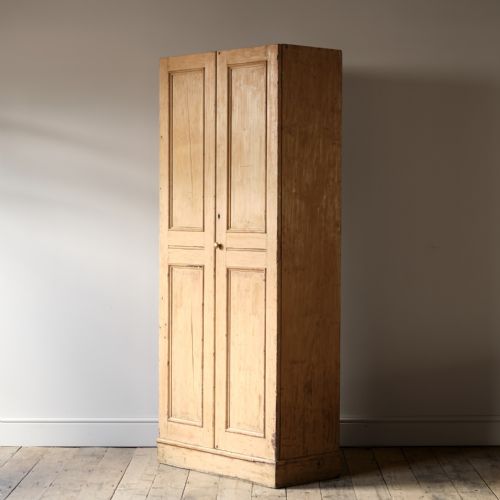
A traditional housekeepers press provides substantial storage, bringing period character and practical utility to a room.
Traditional Housekeepers Press
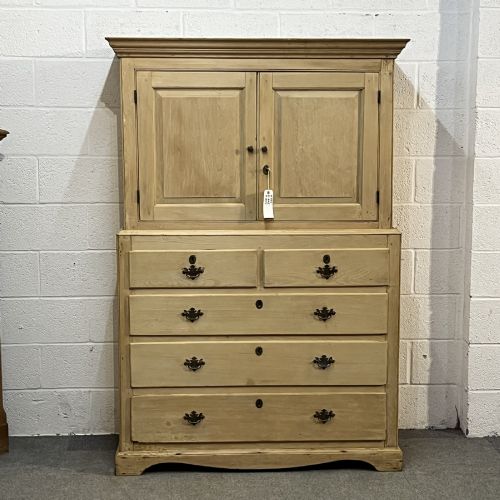
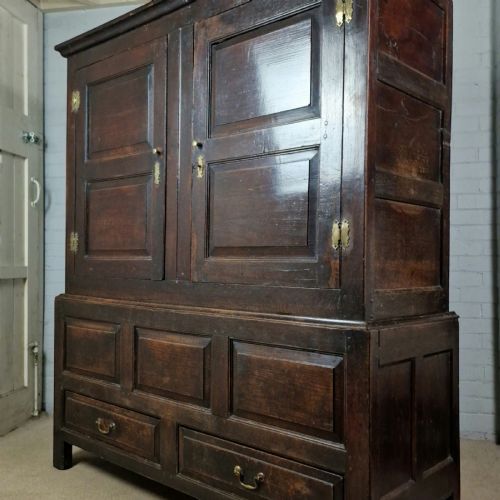
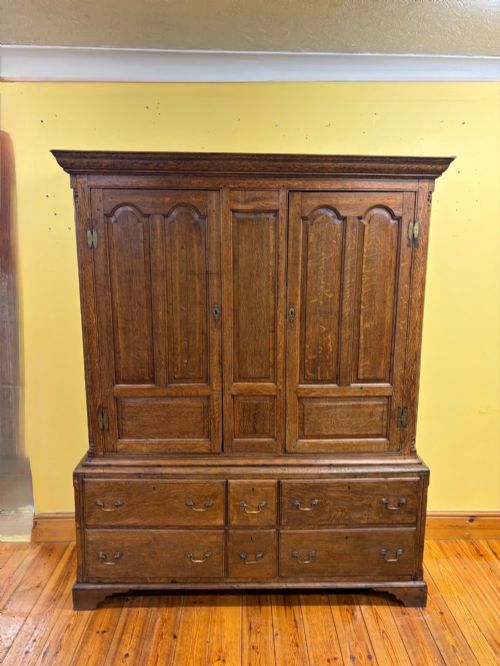
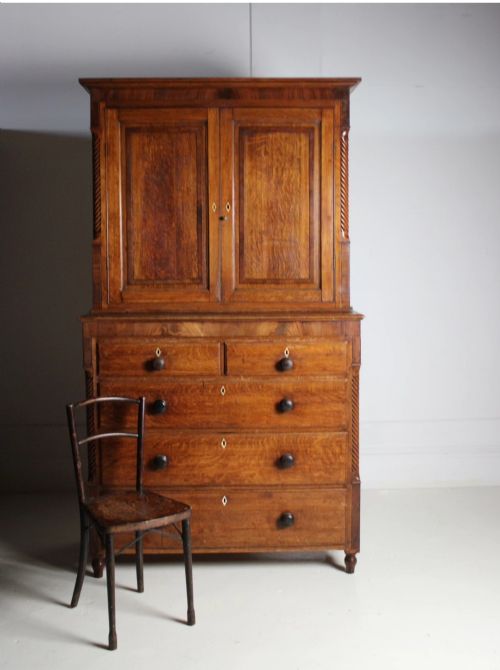
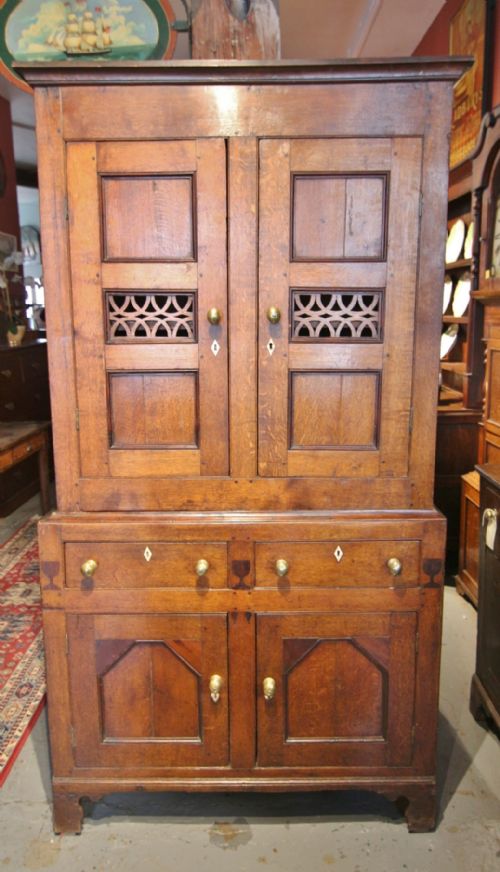
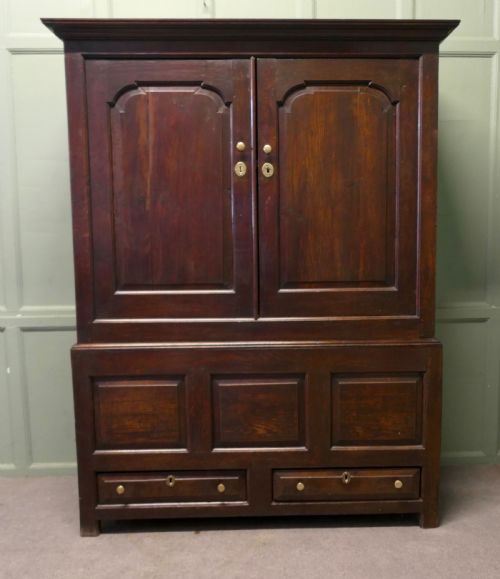
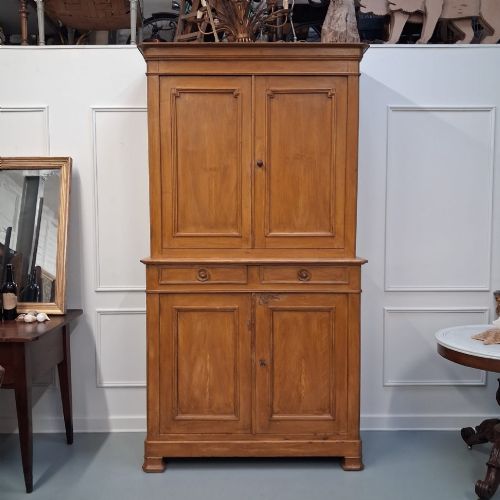
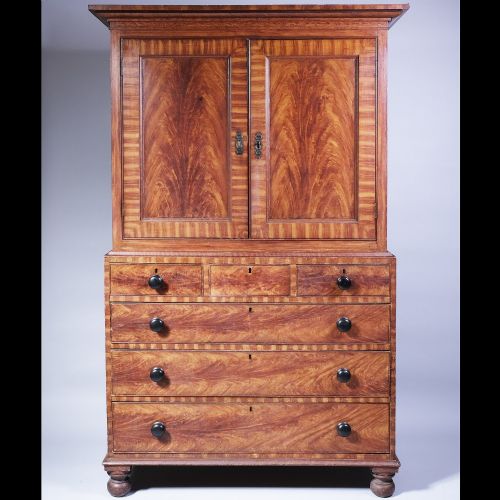
When you search for a traditional housekeepers press, you are looking at large storage furniture designed to hold household linens, provisions, and clothing. These substantial pieces typically combine deep cupboards with sliding trays or drawers, originating from domestic service spaces in large homes.
The versions you are most likely to meet on this page span the 18th century, the Georgian period, and the 19th-century Victorian era. They appear in regional forms such as Welsh vernacular styles, alongside simpler farmhouse designs.
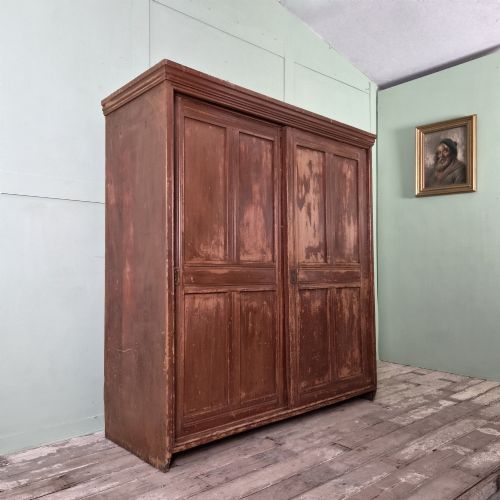
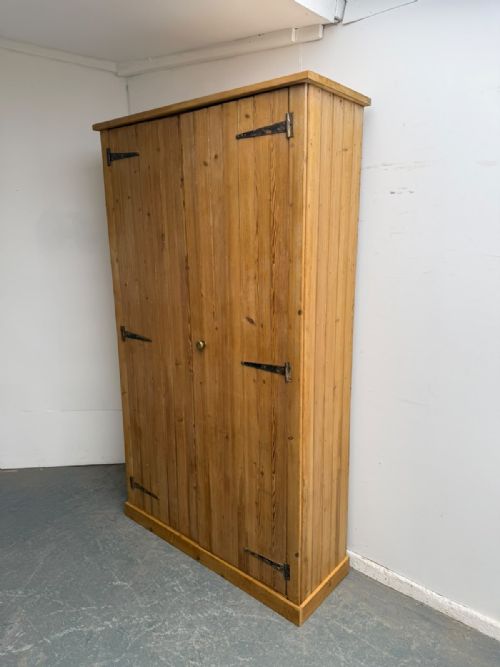
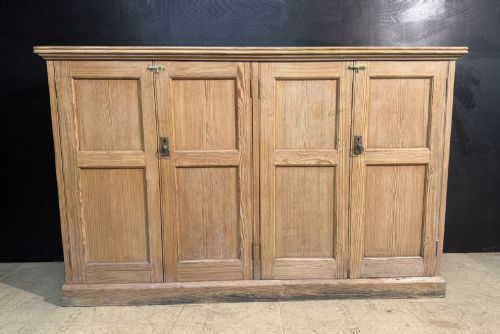
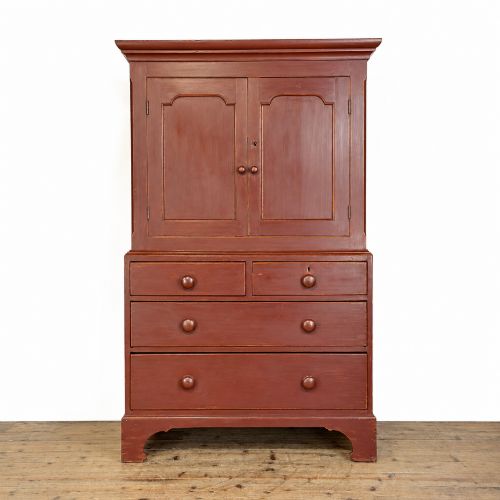
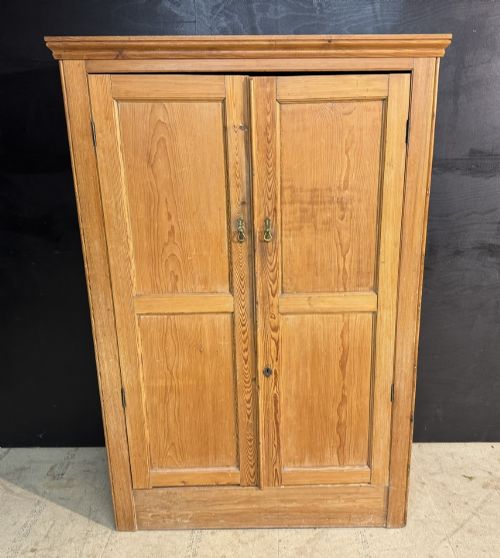
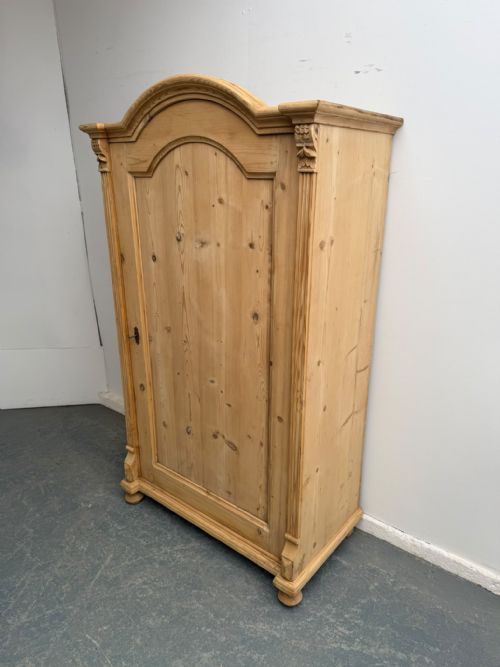
Most examples found here are constructed from native timbers, reflecting the practical domestic requirements of their original contexts. They range from formal architectural mahogany and oak pieces to utilitarian painted pine storage cupboards.
How they were made
Traditional pieces rely on solid timber construction, primarily utilising native woods such as oak and pine. Carpenters joined structural members using traditional framing methods to support the heavy loads of folded linens and stores.
Many surfaces carry historical paint finishes, including scumble glaze and flat pigments applied over the wood. Hardware typically consists of brass or iron hinges, latches, and drawer pulls suited to heavy daily use.
Traditional Housekeepers Press Retail Price Guide 2026
Typical asking prices for traditional housekeepers press among the pieces listed under this phrase on Sellingantiques today, from the lower quarter to the upper quarter. They describe what is for sale here now, not the wider market.
Early pine cupboards sometimes retain traces of ancient pantry smells locked deep within their unsealed drawer bases.
What varies in quality
Quality in these large storage pieces rests primarily on the integrity of the timber and the proportion of the carcass. Superior examples maintain balanced proportions between the upper cabinet and the lower drawer section.
The original condition of interior fittings, such as sliding linen slides, shelves, and backboards, distinguishes better examples. Retained original paint finishes or untouched waxed surfaces elevate the standing of a piece over later alterations.
The Traditional Housekeepers Press Glossary
- Linen Press
- A tall piece of furniture designed specifically for storing folded garments and household linens. These often feature sliding shelves or drawers enclosed behind upper doors.
- Livery Cupboard
- An early form of ventilated storage furniture traditionally used for keeping food, candles, or livery. They frequently incorporate slatted or panelled doors to allow air circulation.
- Deuddarn
- A traditional Welsh two-tier cupboard used for storing household goods and displaying provisions. These regional pieces date back to the 18th century and earlier.
- Scumble Paint
- A decorative surface treatment where a translucent topcoat is manipulated over a lighter base colour to simulate grain. It was commonly applied to utilitarian pine furniture during the 19th century.
- Cornice
- The ornamental moulding running around the top edge of a large cupboard or press. It provides a finished architectural transition to the ceiling height.
Traditional Housekeepers Press: Frequently Asked Questions
What is a housekeepers press?
A traditional housekeepers press is a large piece of utility furniture designed for storing linen, garments, and household provisions. They typically combine upper cabinet storage with lower drawers or sliding trays.
These pieces originate from large domestic households where the housekeeper managed household supplies. Today, they serve as substantial storage cupboards in bedrooms, hallways, and kitchens.
How do I date a pine cupboard?
Dating a pine cupboard involves examining the construction methods, timber preparation, and hardware used in the carcass. Hand-sawn boards, forged iron nails, and early dovetail joints point towards earlier centuries.
Surface finishes also offer clues, as original paint layers, scumble glazes, or early wax patination develop distinctive wear over long periods of use.
Where were these cupboards used?
These cupboards were originally stationed in the service rooms, linen closets, and working quarters of large country houses and farmhouses. They provided secure, dust-free storage for valuable household textiles and daily provisions.
In modern settings, their deep shelves and large capacities make them suitable for use as wardrobes, larder cupboards, or general storage furniture in living spaces.
What is the difference between oak and pine versions?
Oak versions generally date from earlier periods, such as the 18th century and the Georgian era, reflecting a more formal domestic context. They were built by country joiners using dense native hardwood.
Pine versions are often associated with 19th-century Victorian and regional vernacular production. They were frequently finished with paint or left as waxed softwood for utilitarian spaces.