
Traditional Horse Painting Art
Traditional horse painting art captures the enduring bond between humans and equines through detailed portraits and sporting scenes.
Traditional Horse Painting Art
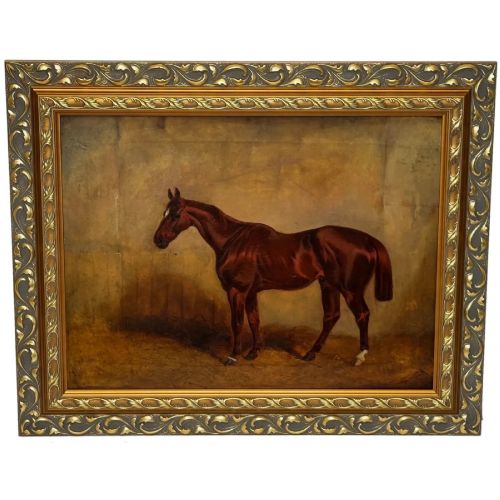
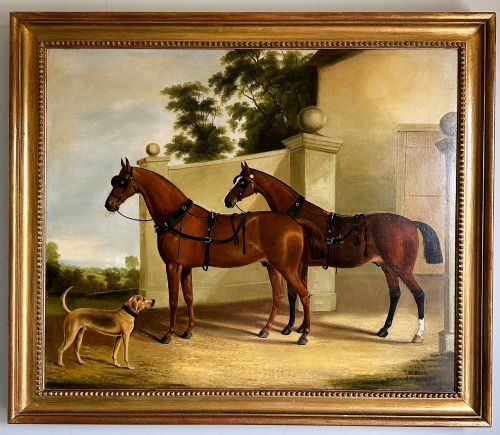
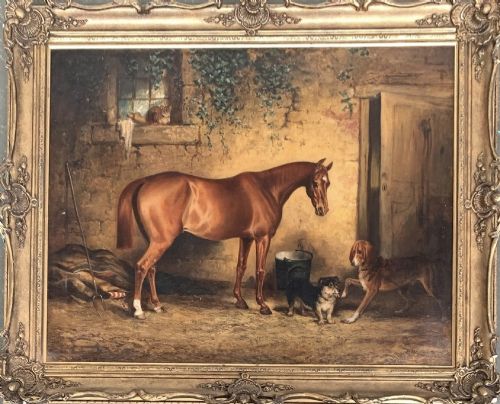
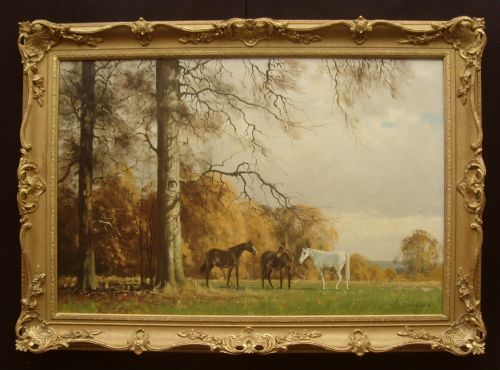
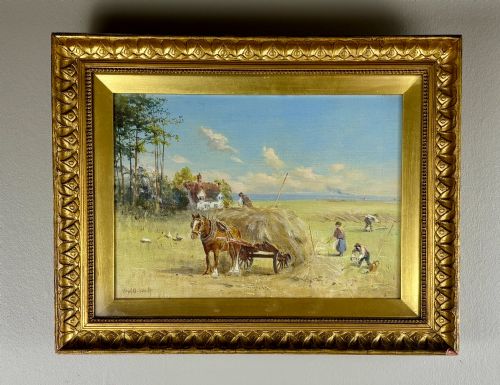
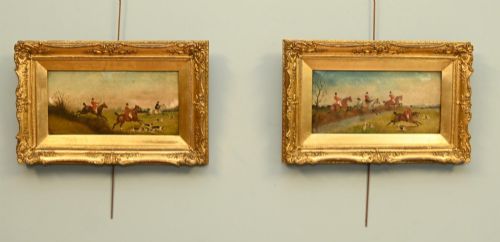
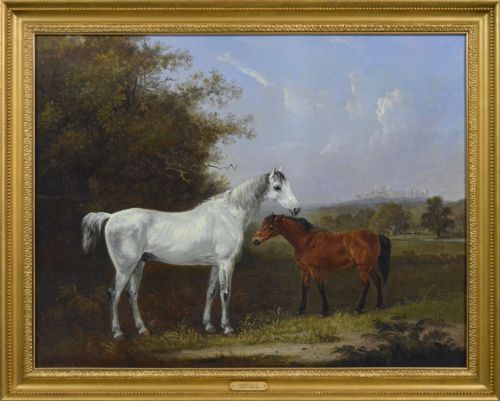
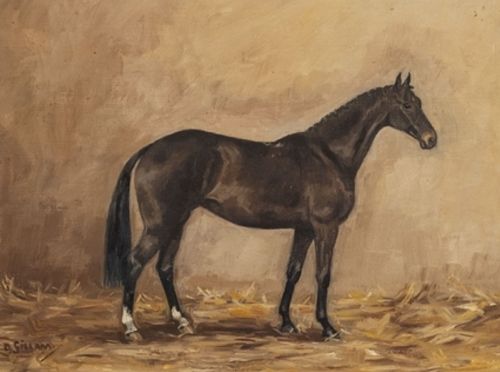
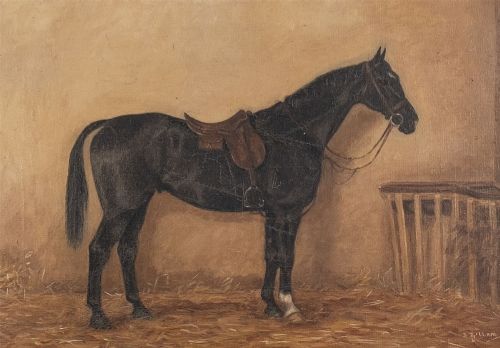
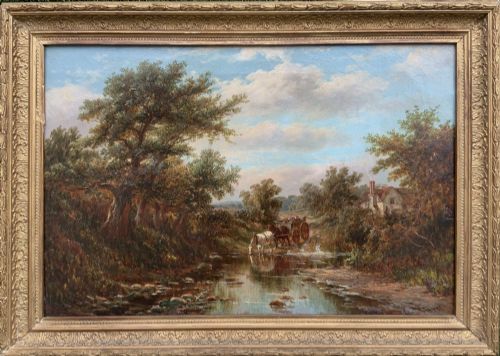
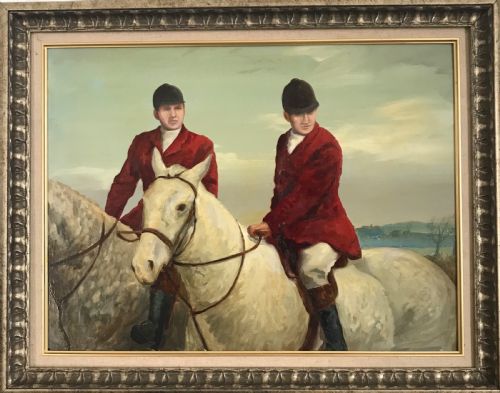
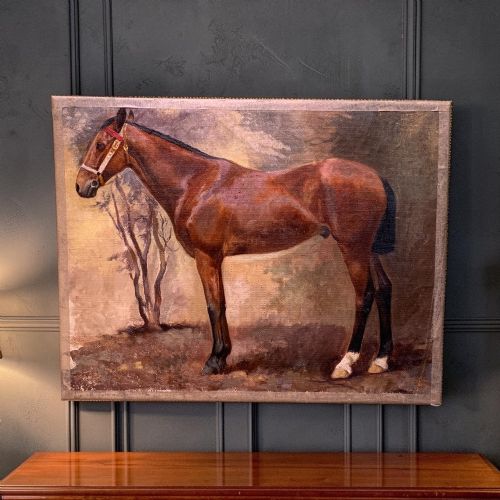
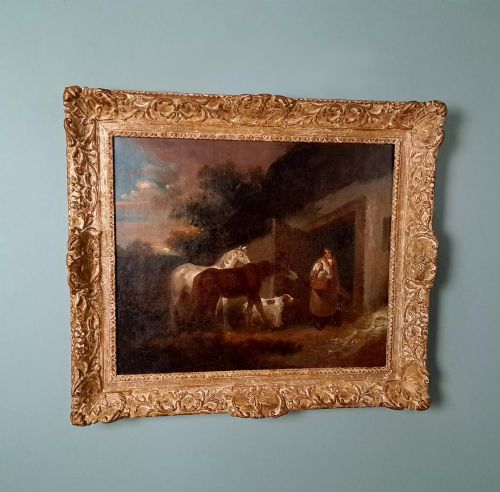
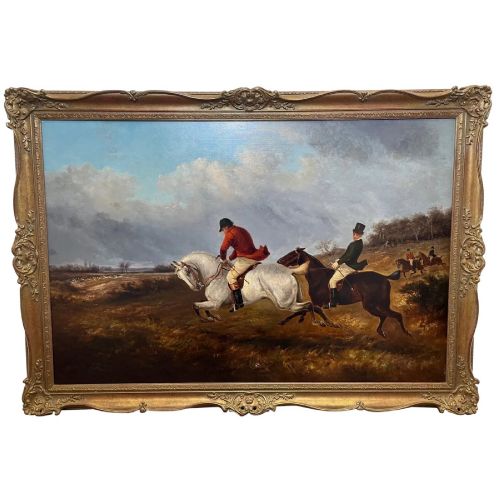
Traditional horse painting art encompasses equestrian portraits, hunting scenes, and rural landscapes featuring horses. These works celebrate individual racehorses, farm animals, and hunting mounts across various British and European schools.
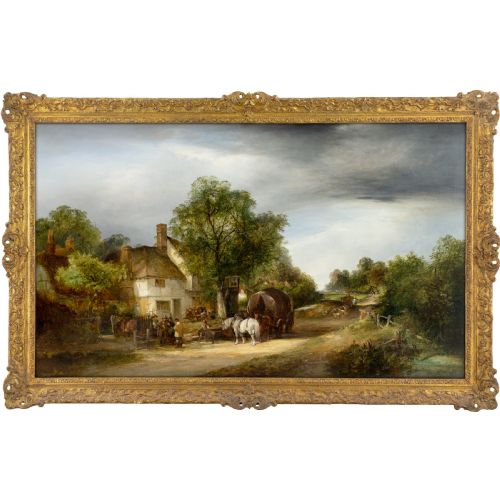
Buyers browsing this selection frequently encounter nineteenth-century and early twentieth-century oil paintings on canvas or board. The subjects range from named winners like Spion Kop and Flying Fox to working shires and coaching scenes.
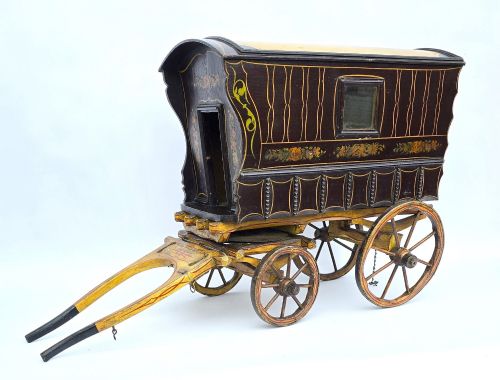
The collection also incorporates related sculptural forms such as scale models and carousel figures alongside flat works. These pieces reflect the prominent place of horses in rural life, sport, and royal ownership.
Materials and Techniques
Artists primarily applied oil paint to stretched canvas or wooden panels, utilising rich pigments to render the musculature and coats of the animals. Many canvases retain their original giltwood or gilt frames, which complement the traditional subjects.
The listings feature oil paintings, watercolours, and wooden models spanning the Georgian, Victorian, and Edwardian periods.
Distinctions in Quality
Quality rests upon the artist's anatomical precision and ability to convey the distinct personality or breed characteristics of the horse. Master painters capture the tension in a racehorse or the sturdy build of a ploughing shire with convincing perspective.
The sophistication of the background landscape and the condition of the original paint layer further elevate a piece. Works by documented painters with clear provenance demonstrate superior compositional balance compared to anonymous studio output.
William Joseph Shayer Senior·Thomas Smythe·Albert Clark·Frederick Albert Clark·George Wright·John Alfred Wheeler·Thomas Walker Bretland·George Morland
The Traditional Horse Painting Art Glossary
- Equestrian
- Pertaining to horses, horse riding, or the representation of horses in art. This term groups together portraits, racing scenes, and hunting depictions.
- Giltwood
- Wood that has been covered with a thin layer of gold leaf or gold paint. Frames finished in this manner frequently accompany nineteenth-century oil paintings.
- Grisette
- A term used to describe a grey mare, often specified in regional sporting titles. It identifies the specific coat colour of the horse depicted.
- Provenance
- The documented history of ownership of an artwork. Clear records help confirm the authenticity and attribution of a historical painting.
Traditional Horse Painting Art: Frequently Asked Questions
What periods do these paintings come from?
The available artworks span from the Georgian era through the Victorian period and into the twentieth century. These diverse dates reflect changing artistic styles in equine portraiture over two centuries.
Most pieces date from the nineteenth and early twentieth centuries, capturing the height of British sporting art and rural realism.
How do I identify the horse in the painting?
Many traditional works include inscriptions on the canvas, stretcher, or frame naming the specific horse, owner, or race. Famous subjects like Derby winners often feature identifying text.
When no name is recorded, the physical conformation and coat colour help distinguish between hunters, racehorses, and working farm animals.
Are these works painted on canvas?
The majority of the flat artworks consist of oil paint applied directly to stretched canvas or wooden boards. Artists selected these traditional supports for their durability and texture.
A smaller number of works utilise paper for watercolours or panels for foreign school paintings.
How should I display a gilt framed painting?
Giltwood frames require stable indoor humidity levels away from direct sunlight to preserve the metallic leaf and wooden structure. Hanging them on interior partition walls protects the materials from extreme temperature shifts.
Ensure the wall fixings match the substantial weight of large nineteenth-century oil paintings and their heavy frames.