
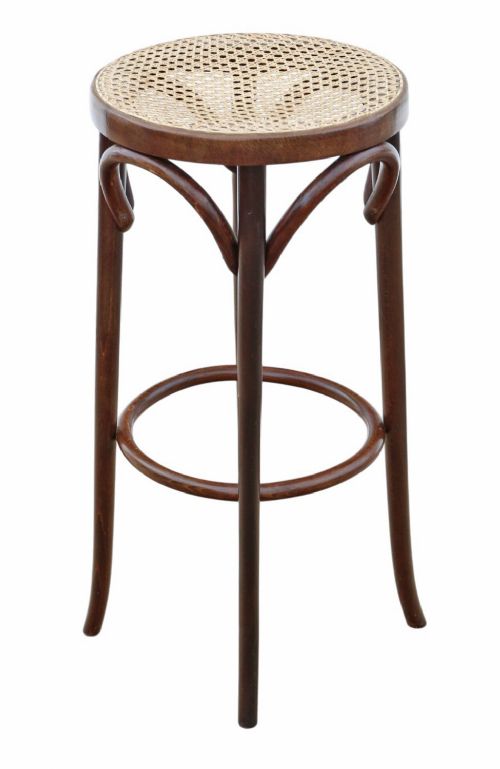
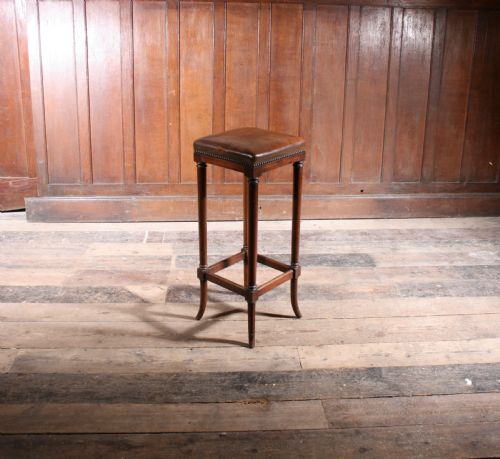


Traditional High Stool
A traditional high stool brings honest, utilitarian seating into modern spaces, offering elevated height paired with enduring vernacular craft.
Traditional High Stool
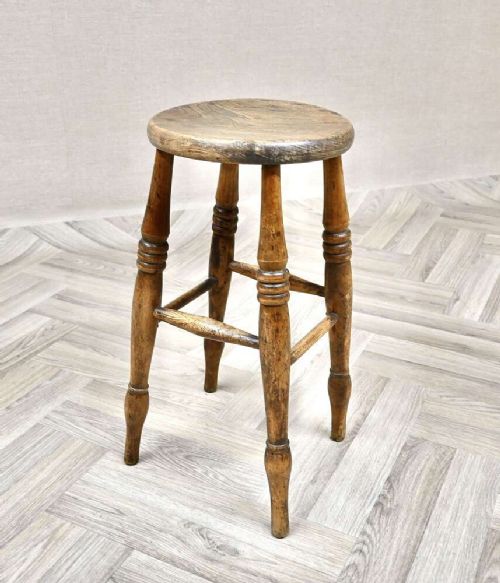
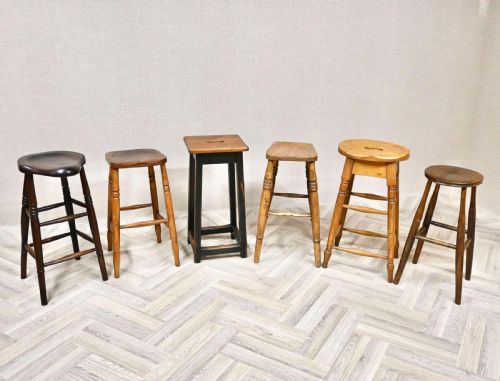
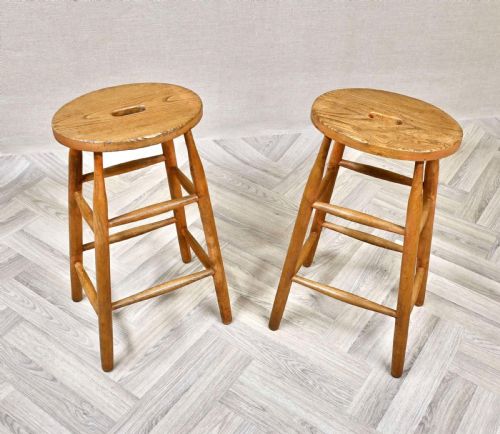
When you search for a traditional high stool, you are looking at elevated seating designed for practical work, hospitality, or domestic tasks across the nineteenth and twentieth centuries. These pieces encompass clerk's stools, pub or tavern stools, bar stools, and country house variants built to stand well above standard chair height.
The versions you are most likely to meet on this page hail from nineteenth-century vernacular and Victorian traditions, alongside early twentieth-century examples up to nineteen-forty. They span styles described as rustic farmhouse, English country, and European bistro.
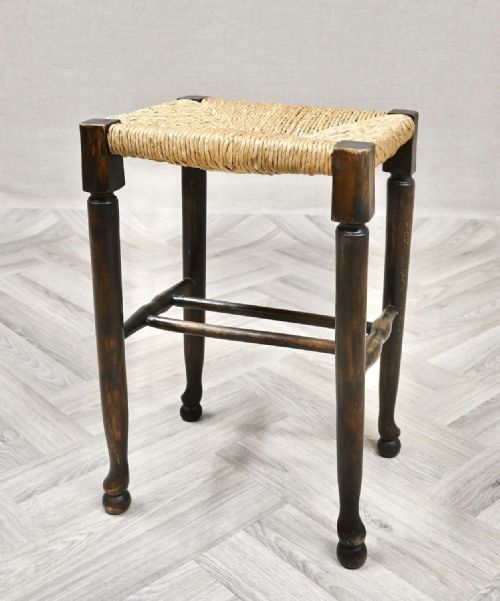
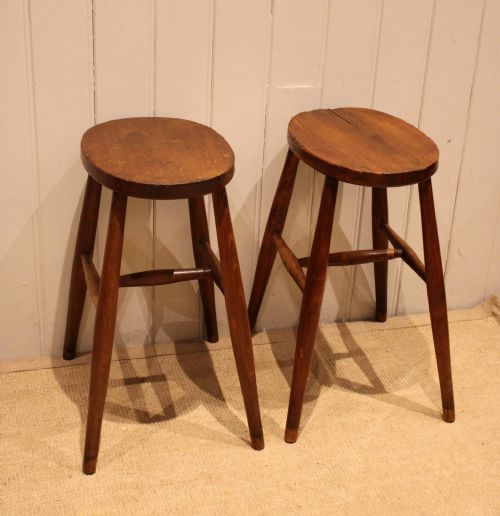
Forms range from simple turned beech clerk's stools to robust elm-topped tavern seats and rush-seated ladderbacks. Their origins trace back to commercial workspaces, rural workshops, and public houses where raised seating was a functional necessity.
How they were made
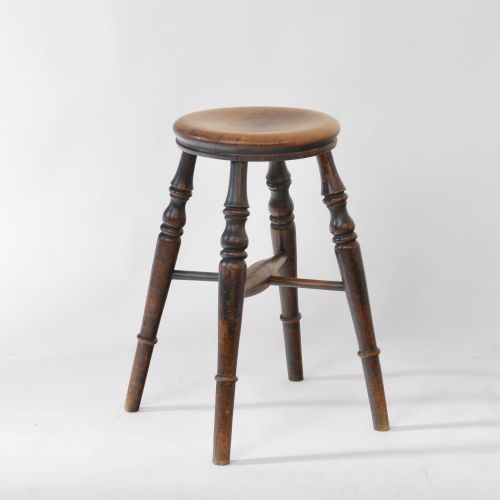
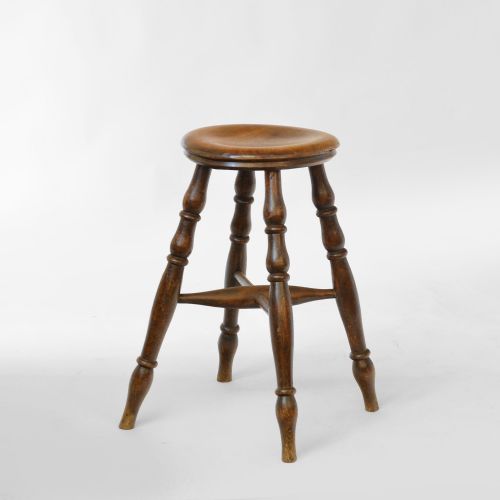
Makers utilised native timbers suited to hard daily use, selecting elm, oak, beech, pine, sycamore, and mahogany for their strength and grain. Seats were often shaped from single thick slabs of elm or sycamore, whilst legs and stretchers relied on turned beech or hardwood.
Construction techniques combined traditional joinery such as sturdy pegging, mortise and tenon joints, and wood-turning for legs and spindles. Some examples incorporate natural rush seating woven firmly into wooden frames, while others feature bentwood methods or leather upholstery.
Listings feature traditional high stools spanning the nineteenth century, the Victorian era, and nineteen-hundred through nineteen-forty.
What varies in quality
Proportion and stance separate exceptional pieces from standard workshop output. Well-balanced splayed legs and tight, original structural joints ensure longevity and stability, reflecting the skill of the original vernacular maker.
The Traditional High Stool Glossary
- Clerk's stool
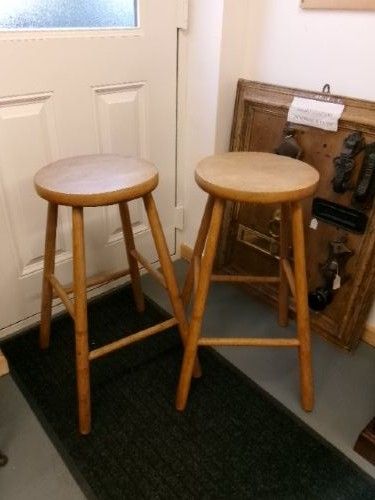
- A tall, utilitarian seat historically used by office workers or scriveners standing at high desks. These typically feature simple turned wooden legs and a compact circular or square top.
- Pub or tavern stool
- A robust high stool designed for commercial hospitality spaces and public houses. They are built to withstand heavy daily use and often feature durable hardwood construction.
- Rush seat
- A seating surface woven from dried marsh rushes tightly wound around a wooden frame. This technique creates a resilient, textured pad common in traditional country seating.
- Bentwood
- A manufacturing process where wood is steamed until pliable and then bent into curved forms. This method was widely utilised for lightweight yet strong stool frames.
- Vernacular
- Everyday objects built by local craftspeople for practical utility rather than high-style design. These pieces rely on regional materials and time-honoured local traditions.
Traditional High Stool: Frequently Asked Questions
What were traditional high stools used for?
These tall seats served practical functions in nineteenth and twentieth-century workplaces, including commercial offices, taverns, and mills where tasks required elevated positioning.
They allowed workers and patrons to sit comfortably at high desks, bars, or counters before standard counter-height furniture became common in domestic settings.
How do I style a high stool at home?
A traditional high stool works naturally beside kitchen islands, breakfast bars, or home work spaces where extra height is needed.
Their honest wooden textures and patinated surfaces also allow them to function simply as sculptural display stands or bedside surfaces in eclectic interiors.
Are these stools comfortable for daily sitting?
Many examples feature saddled or dished wooden seats shaped to fit the body during extended periods of work or dining.
While they lack modern upholstery or backrests in most basic forms, models with rush seats or leather pads offer a softer perch.
How can I tell a nineteenth-century stool apart?
Nineteenth-century pieces generally show hand-turned components, pegged joints, and deep patination earned through decades of handling and use.
Examining the underside reveals tool marks and timber ageing that distinguish older vernacular construction from twentieth-century reproductions.