


Traditional Hearth Stool
These traditional hearth stool examples bring solid timber and low profiles to the fireside, offering practical seating or footrests built for daily use.
Traditional Hearth Stool
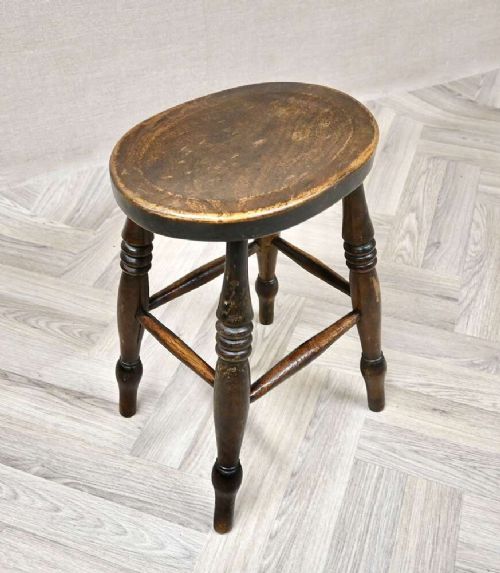
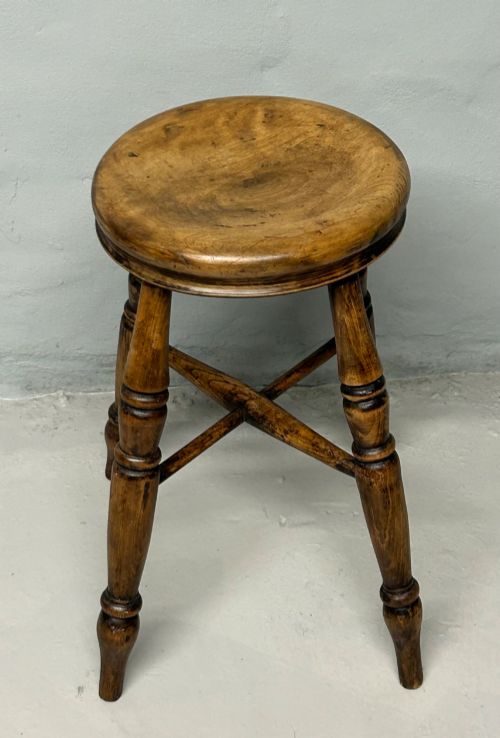
A traditional hearth stool is a low seating piece designed for use by the fireplace, drawn from centuries of domestic British interiors. The items gathered under this traditional hearth stool heading include sturdy low country stools, footstools, and specialised fireside accessories.
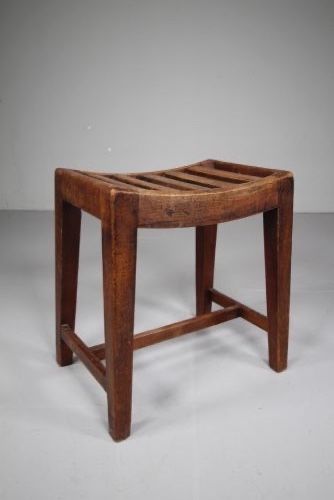
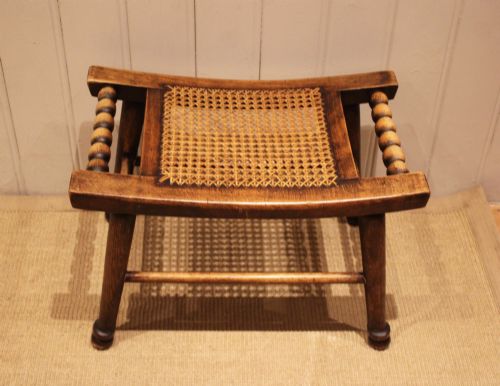
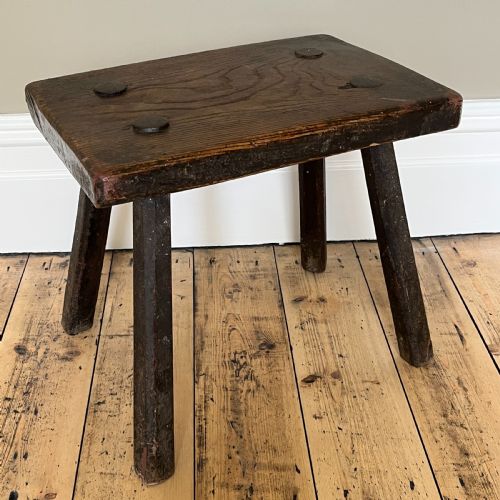
The versions most commonly met on this page date from the eighteenth and nineteenth centuries, alongside pieces from the early twentieth century. Formats range from simple turned beech frames and rush seats to heavy oak structures and mahogany slatted designs.
Origins span formal Georgian parlours to rustic country settings, reflecting how different households needed low seating close to the warmth. Makers utilised native timbers such as oak, elm, and beech alongside imported woods like mahogany and rosewood.
How they were made
Construction relies heavily on traditional carpentry methods using native hardwoods like oak, elm, beech, and mahogany for frames and legs. Timbers are shaped using turning lathes or hand-carved joints to ensure stability close to the heat of the fire.
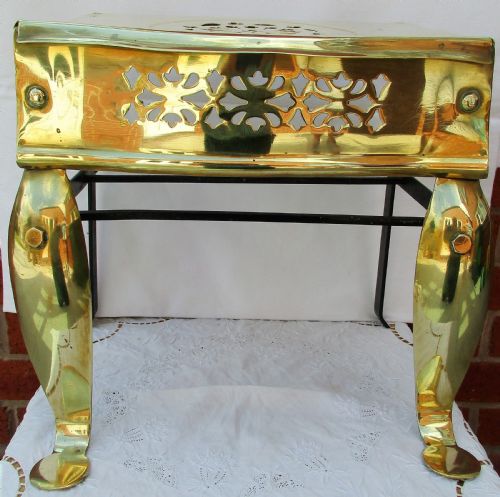
Seating surfaces vary from solid timber planks and slatted mahogany to woven rush and upholstered fabric panels. Metal elements such as brass and steel appear on specialised footman accessories designed to sit directly on the hearth.
Some heavy oak stools double as quiet witnesses to centuries of muddy boots and dropped toast by the fireside.
What varies in quality
Quality rests on the selection of timber and the integrity of the joinery used in the frame. Dense hardwoods like oak and mahogany show superior durability compared to lighter secondary woods.
The finesse of the turning on legs and the tightness of rush or cane weaving distinguish simpler utilitarian examples from finer parlour pieces.
The Traditional Hearth Stool Glossary
- Hearth stool
- A low seat designed specifically to sit near a fireplace for warmth or convenience.
- Footman
- A metal stand in brass or steel used by the hearth for warming plates or kettles.
- Rush seat
- A seating surface woven from dried marsh plants, common in country furniture.
- Windsor
- A style of wooden seating featuring turned legs and spindles fitted into a solid carved seat.
- Slatted
- A construction method using parallel strips of wood with gaps between them for a lightweight seat.
Traditional Hearth Stool: Frequently Asked Questions
What is a traditional hearth stool used for?
These pieces were placed near open fireplaces to provide low seating or to rest feet close to the warmth. They also served utility roles in kitchens and parlours where space was limited.
Today they function well as decorative low seats, footrests, or small side tables in living spaces.
How do I date a wooden stool?
Dating relies on identifying the timber species, tool marks, construction joints, and overall style conventions of the period. Georgian and Victorian pieces carry distinct stylistic markers in their turned legs and upholstery.
Examining the wear patterns on the wood and the underside construction helps confirm the age of the piece.
Are these stools comfortable?
Comfort depends entirely on the specific top, whether it is solid carved wood, woven rush, cane, or upholstered fabric. Solid timber stools offer firm support, while cushioned or upholstered versions provide softer seating.
Most traditional hearth stool designs prioritize a low, stable profile over deep cushioning.
What woods were commonly used?
British makers relied heavily on native hardwoods such as oak, elm, and beech for everyday country furniture. Mahogany and rosewood appear on more formal Georgian and Victorian examples.
These dense timbers ensured the frames could withstand the dry heat near a fireplace over generations.