


Traditional Hearth Fire Grate
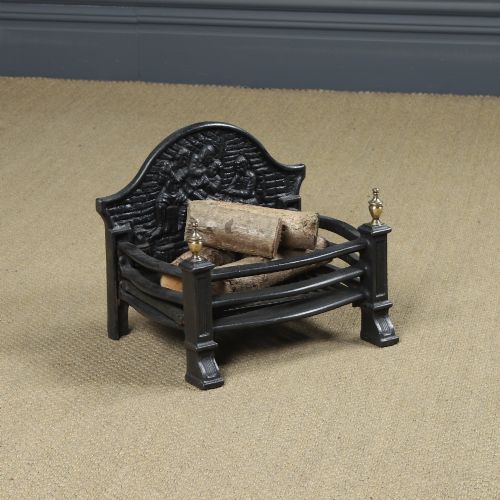
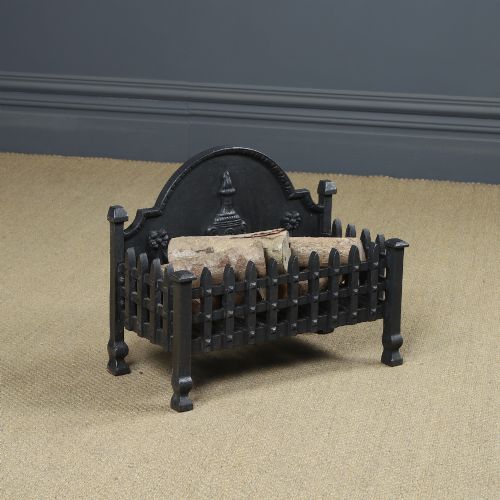
A traditional hearth fire grate anchors the room, holding logs safely while channelling warmth and soot.
Traditional Hearth Fire Grate
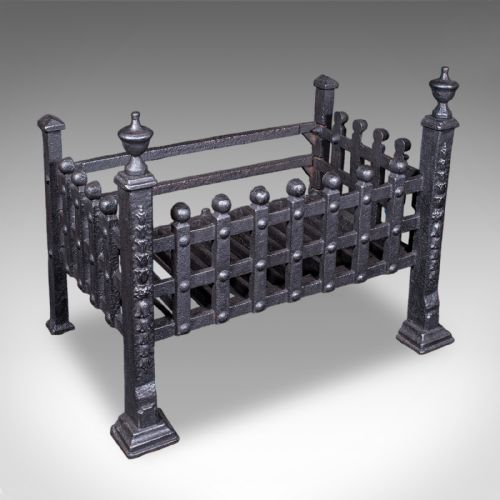
A traditional hearth fire grate provides a sturdy metal housing for burning solid fuel within an open fireplace. Buyers search for these pieces to restore period character to a chimney or to bring authentic metalwork into a living space.
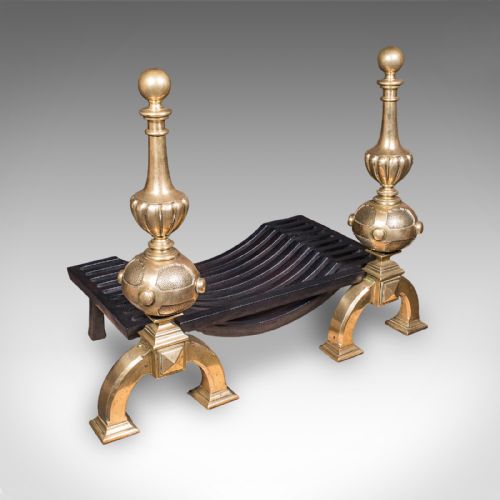
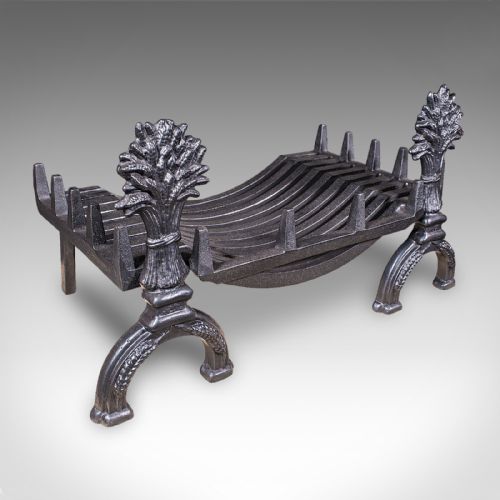
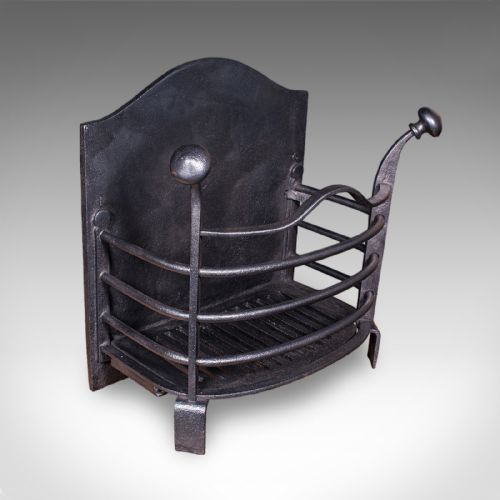
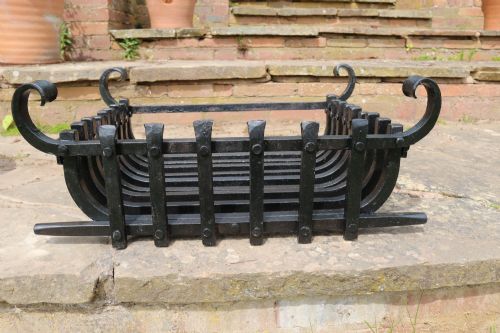
The selections on this page lean heavily towards Victorian and Georgian forms, alongside Arts and Crafts and Regency styles. Fire baskets, fire dogs, and hob grates dominate the inventory, often accompanied by matching andirons.
Most examples originate from English workshops, spanning periods from the eighteenth century through to the early decades of the twentieth century. Free-standing baskets and heavy inglenook grates appear frequently among the listings.
Factors that distinguish finer pieces
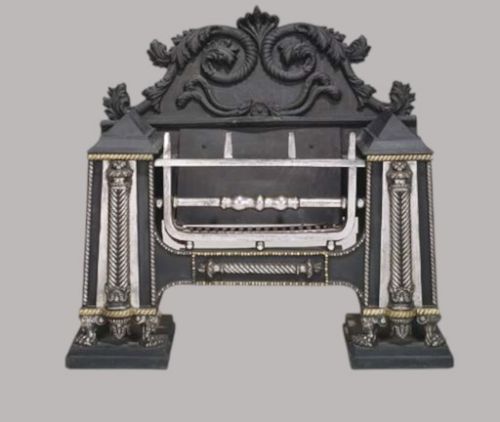
Subtlety of cast ornament and the crispness of neoclassical or Gothic revival detailing separate standard grates from superior examples. Weight and thickness of the iron mass also signal the substantial nature of the construction.
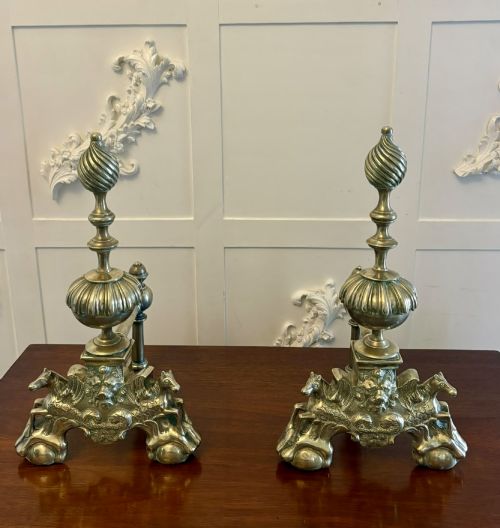
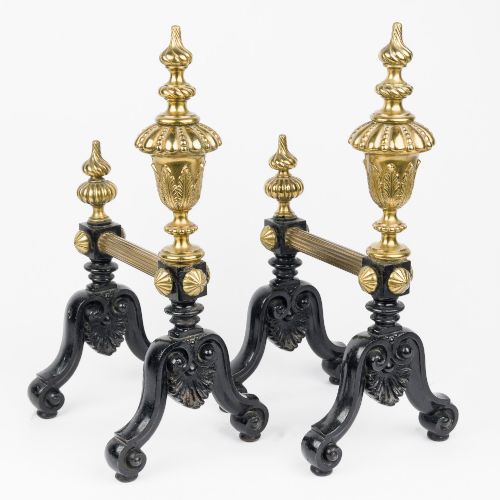
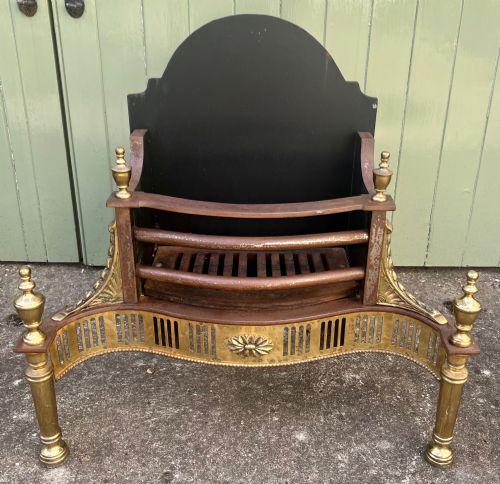
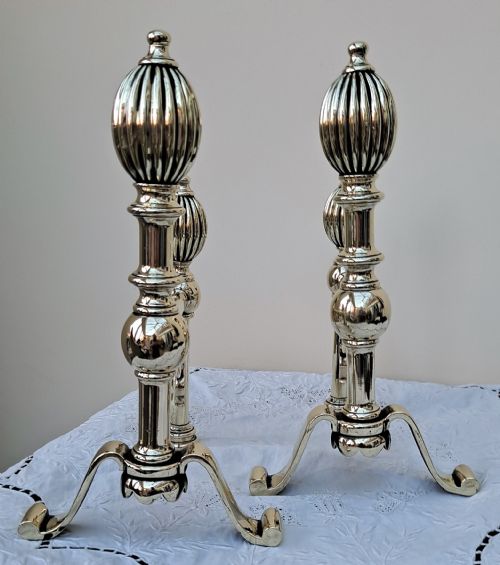
The integration of brass components, such as polished andirons or decorative mounts, adds refinement to the heavy iron framework. Proportion dictates success, whether dealing with a diminutive bedroom basket or a massive inglenook set.
Several heavy sets include mulling andirons, hinting at winters spent warming spiced ale beside the flames.
The Traditional Hearth Fire Grate Glossary
- Fire grate
- A metal basket or frame designed to hold burning wood or coal inside a fireplace. These units sit directly on the hearth or elevate upon legs.
- Andirons
- Supporting metal bars placed on either side of a hearth to hold logs, often featuring decorative vertical fronts called fire dogs. They frequently accompany fire baskets in these listings.
- Hob grate
- A type of fireplace grate featuring raised flat metal shelves on either side for heating kettles or pans. Georgian examples often display this specific arrangement.
- Fire back
- A heavy iron plate placed against the back wall of a fireplace to radiate heat into the room and protect the masonry. They appear alongside grates in larger hearth sets.
- Register grate
- A fireplace insert featuring a movable metal plate or damper to control the draught up the chimney. These units combine the grate and frame into a single assembly.
Traditional Hearth Fire Grate: Frequently Asked Questions
How do I choose the right size fire grate?
Measure the width, depth, and height of your fireplace opening carefully before browsing. Ensure there is adequate clearance around the basket for airflow and safety.
Take note of whether the piece is free-standing or designed to fit into a specific register frame. Heavy inglenook grates require vast hearths, whereas small proportions suit bedroom fireplaces.
Can I burn real wood in these antique grates?
Most of these iron and firebrick grates were built precisely for burning solid fuels like wood or coal. Inspect the integrity of the metal bars and firebrick linings to ensure they remain sound before lighting a fire.
Consult a professional chimney sweep or installer to verify that your flue handles solid fuel safely. Some decorative or restored pieces serve primarily as aesthetic hearth furniture.
What is the difference between an andiron and a fire dog?
The terms often interchange, but strictly speaking, the fire dog refers to the decorative front piece facing the room. The andiron includes the horizontal bar stretching backward to support the logs.
Many antique sets pair a fire basket with separate andirons or fire dogs placed closely to the sides.
How do I clean and maintain cast iron grates?
Remove ash and debris regularly to prevent moisture retention and subsequent rusting of the iron. Apply specialised grate polish or black lead sparingly to maintain the dark finish.
Avoid using harsh chemical cleaners on brass components, opting instead for gentle metal restorers that preserve the aged patina.