

Traditional Hanging Ceiling Light
A traditional hanging ceiling light brings immediate presence to a room, casting warm illumination from brass, bronze, and glass fixtures suspended above.
Traditional Hanging Ceiling Light
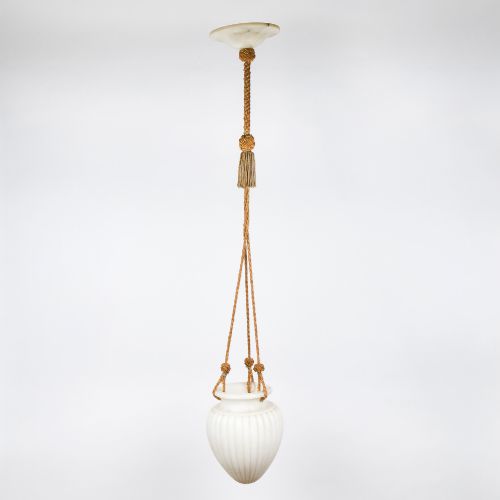
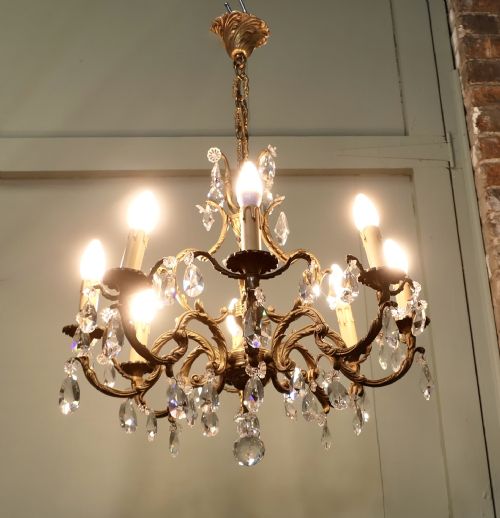
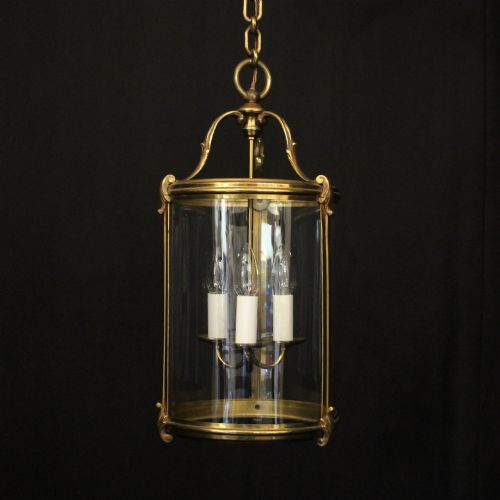
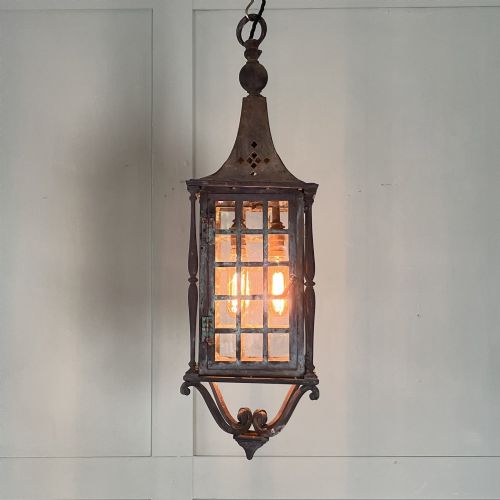
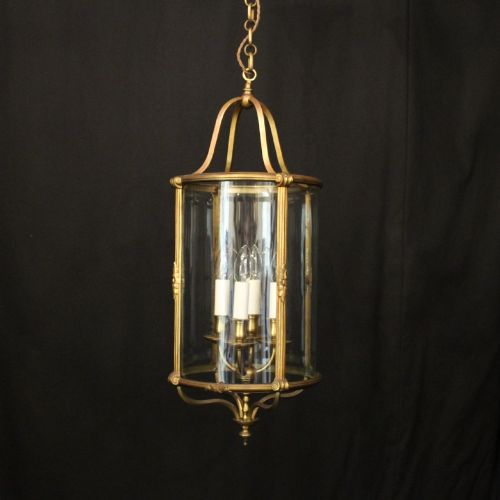
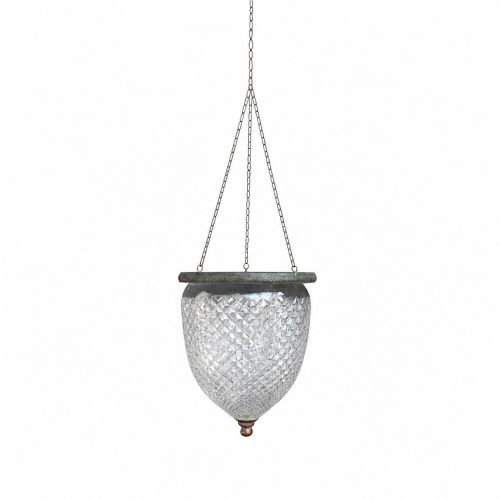
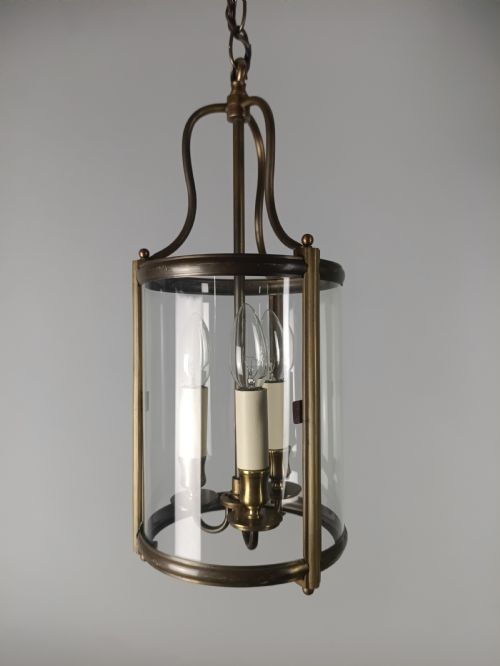
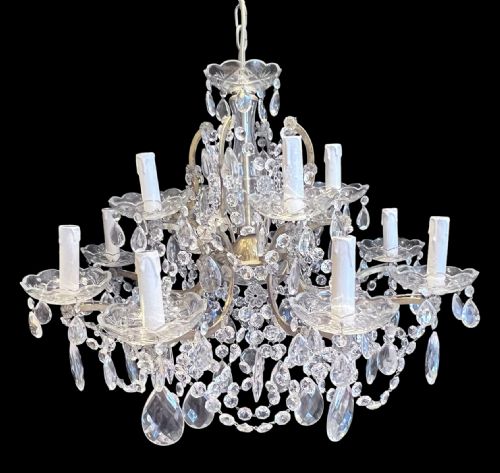
A traditional hanging ceiling light encompasses a wide variety of suspended illuminating fixtures, most frequently appearing here as chandeliers, hall lanterns, and pendant lights. Buyers searching this phrase encounter pieces spanning from the nineteenth century through the Edwardian era and into the nineteen-twenties.
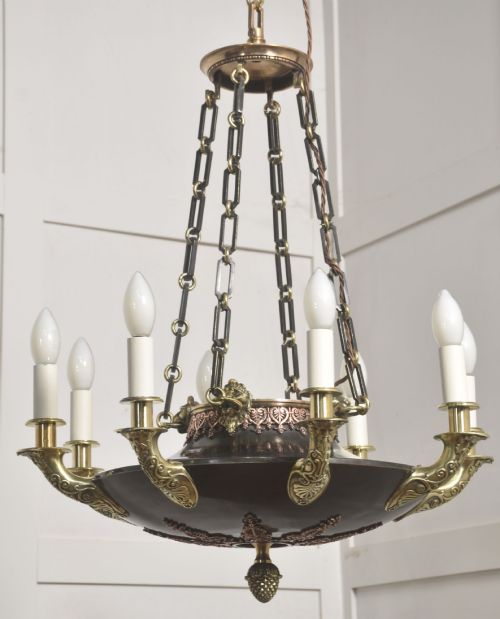
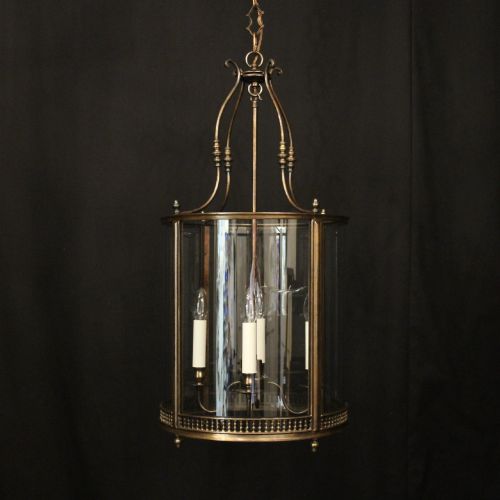
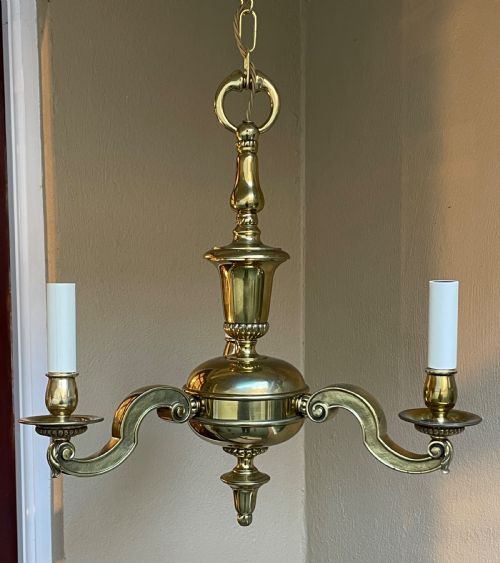
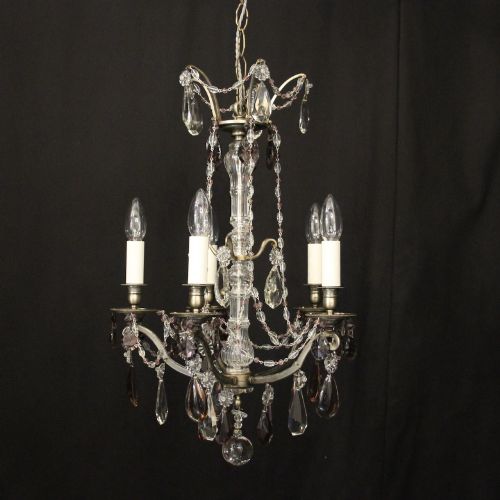
The selection ranges from large multi-armed chandeliers styled in French Chateau, Rococo, or Classical Revival designs to smaller hexagonal and convex hall lanterns. English and French origins dominate the inventory, accompanied by Italian and Dutch style variations.
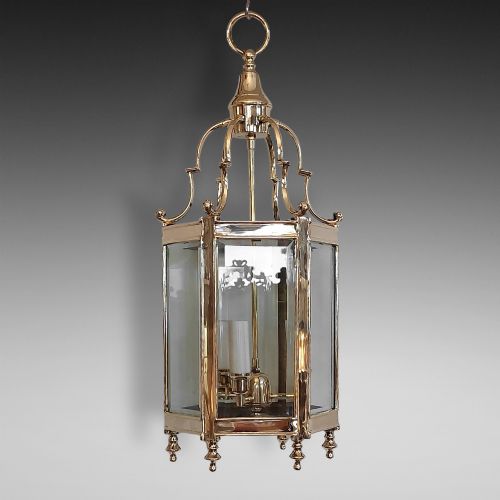
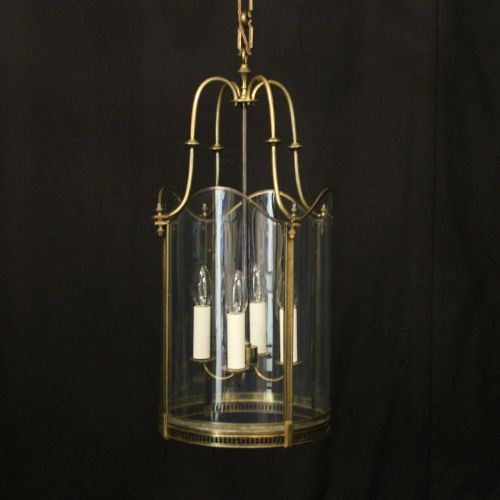
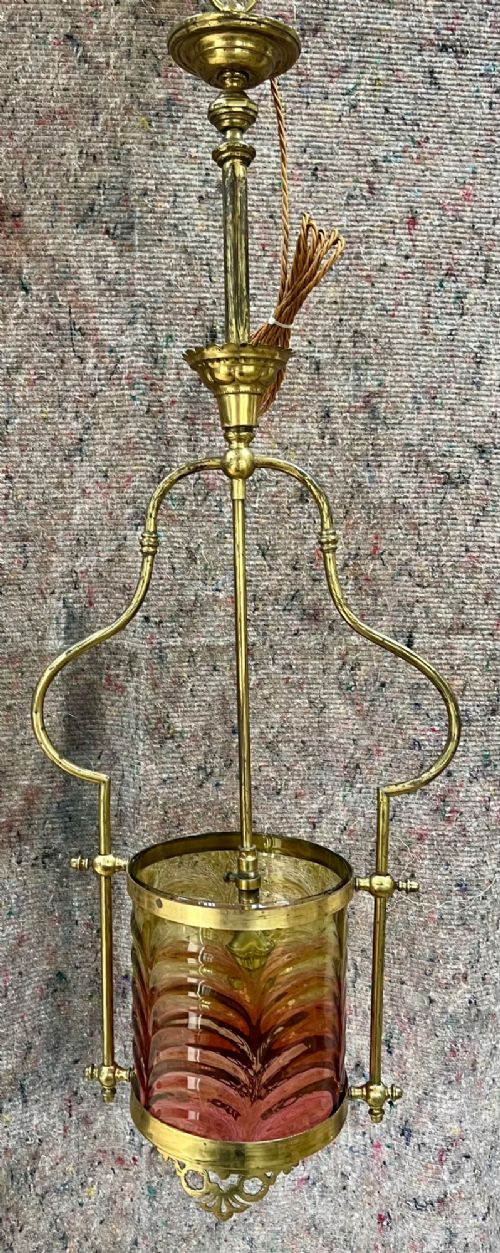
Hexagonal and convex glass lanterns framed in brass or wrought iron represent the most common forms for hallways and vestibules. Meanwhile, substantial brass and bronze chandeliers hung with crystal lustres serve grander spaces.
Materials and Construction
Metalwork forms the skeletal core of these pieces, utilising cast and sheet brass, gilt bronze, copper, wrought iron, and giltwood. Makers shaped these metals into complex frames, branching arms, and detailed lanterns designed to support the weight of glass and internal lighting components.
Glass and crystal elements define the optical quality, featuring hand-blown bullseye glass, moonstone panes, and cut crystal teardrops or lustres. These transparent and translucent components refract the internal light, creating varied patterns of illumination across ceilings and walls.
Materials span brass, glass, crystal, gilt bronze, metal, bronze, wrought iron, and gilt brass.
Distinctions in Execution
Quality separates through the crispness of metal casting and the depth of surface gilding or patination. Heavier cast brass frames and finely chased gilt bronze display sharper architectural detail than simpler pressed metal alternatives.
The integration of glass components dictates overall refinement, where hand-blown or heavy cut crystal elements exhibit superior clarity and weight compared to standard moulded panes. The complexity of the branching structure and the quantity of light branches also mark the scale of ambition in the original workshop.
The Traditional Hanging Ceiling Light Glossary
- Plafonnier
- A ceiling-mounted or close-hanging light fixture with a glass bowl or shade diffusing the lamps within. These pieces sit relatively flat against the ceiling plane compared to suspended chandeliers.
- Lustre
- A cut crystal pendant or drop suspended from a chandelier to refract light. They catch and multiply the illumination from the central burners or bulbs.
- Gilt Bronze
- Bronze metal coated with a thin layer of gold or gold-coloured alloy. This technique provides a durable, lustrous surface finish that resists tarnishing.
- Bulls Eye Glass
- Thick glass panes featuring a central circular distortion or concentric ridges produced during traditional blowing methods. It creates diffused, atmospheric light distribution.
- Rise and Fall
- A mechanical suspension system utilising a counterweight pulley mechanism to adjust the hanging height of the fixture. This allows the light to be lowered for maintenance or heightened for clearance.
Traditional Hanging Ceiling Light: Frequently Asked Questions
How do I choose the right size hanging light?
Consider the scale of the room and the height of the ceiling. Large multi-armed chandeliers require substantial vertical clearance, whereas compact lanterns suit lower hallways.
Proportion dictates the visual balance, ensuring the fixture commands the space without overwhelming surrounding furniture.
Can these antique lights be used with modern wiring?
Most antique fixtures can be adapted to meet contemporary electrical standards by a qualified professional. Rewiring ensures safe integration into modern household circuits.
Original lamp holders are frequently updated while preserving the exterior metal and glass components intact.
Where should a hall lantern be hung?
Hall lanterns perform best in entryways, corridors, and vestibules where vertical space allows uninterrupted passage underneath. Their enclosed frames protect the light source from drafts.
Positioning them centrally draws the eye upward and establishes an immediate decorative tone upon entering the home.
How do I identify a French style chandelier?
French styles often incorporate ornate gilt bronze, elaborate crystal lustres, and curvilinear Rococo or Classical Revival motifs. These pieces emphasise decorative metal framing and rich surface gilding.
In contrast, English designs tend toward structured brass frameworks and geometric lantern shapes.