




Traditional Hand Woven Rug
These traditional hand woven rug pieces bring genuine tribal and regional character into a room through centuries-old knotting and weaving traditions.
Traditional Hand Woven Rug
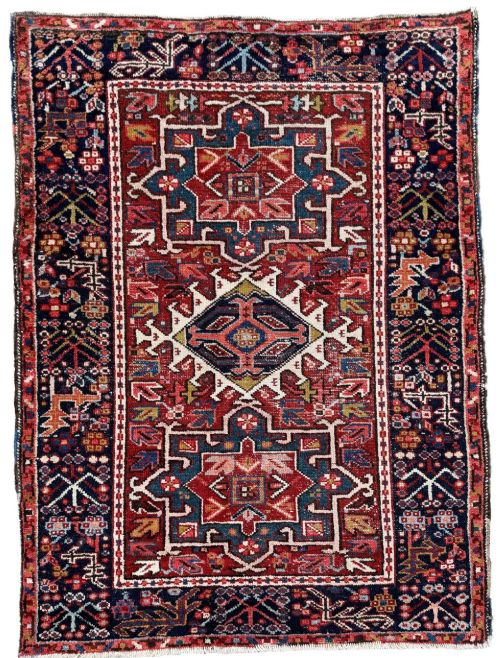
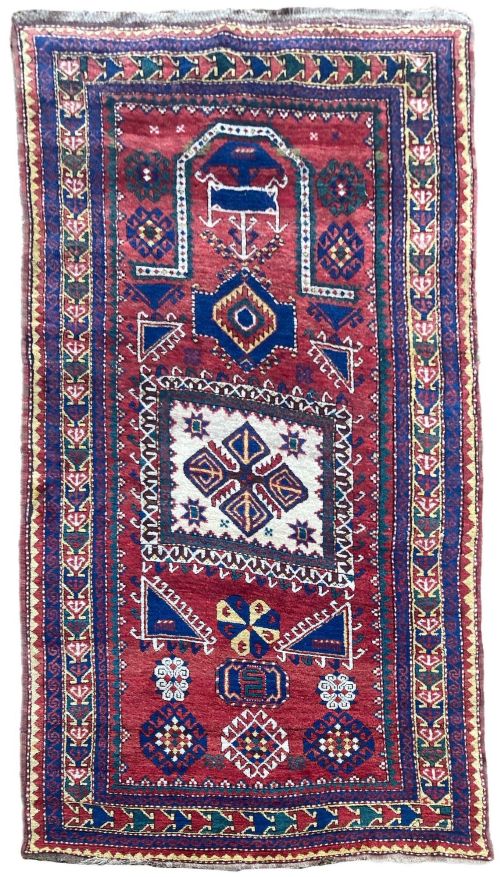
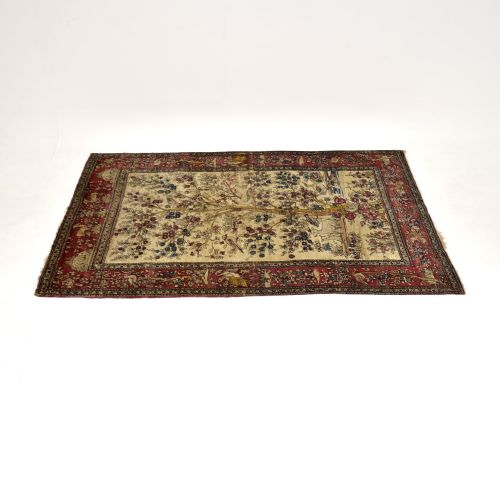
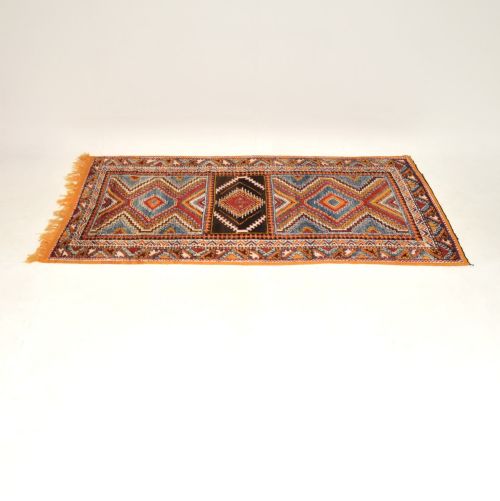
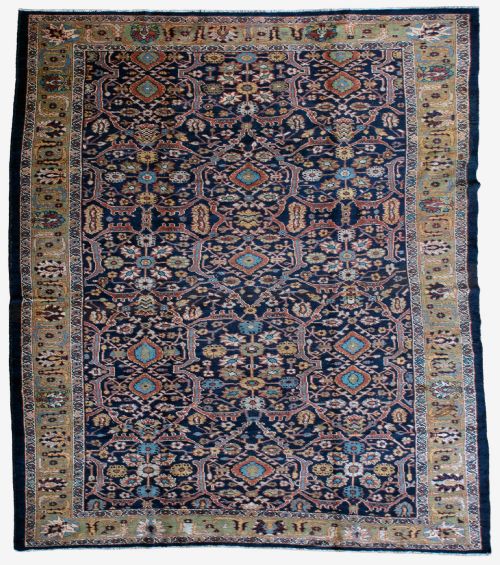
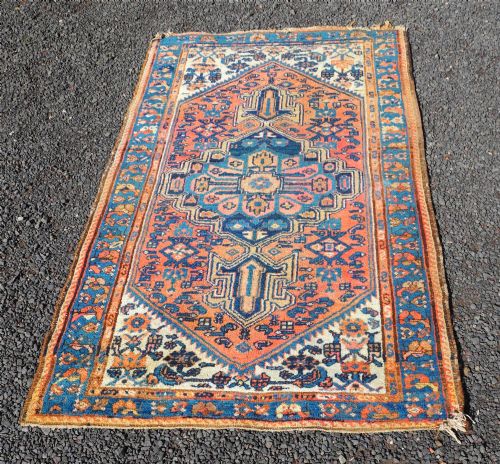
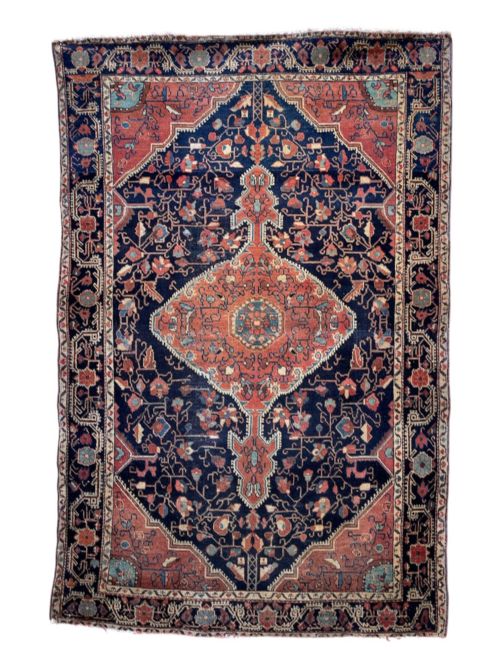
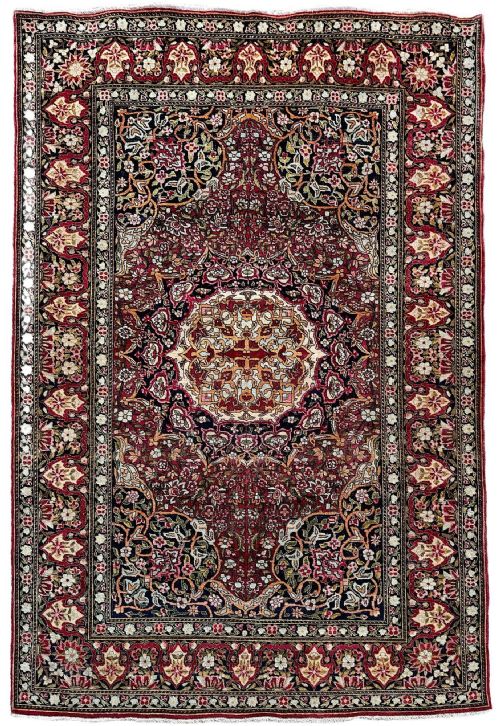
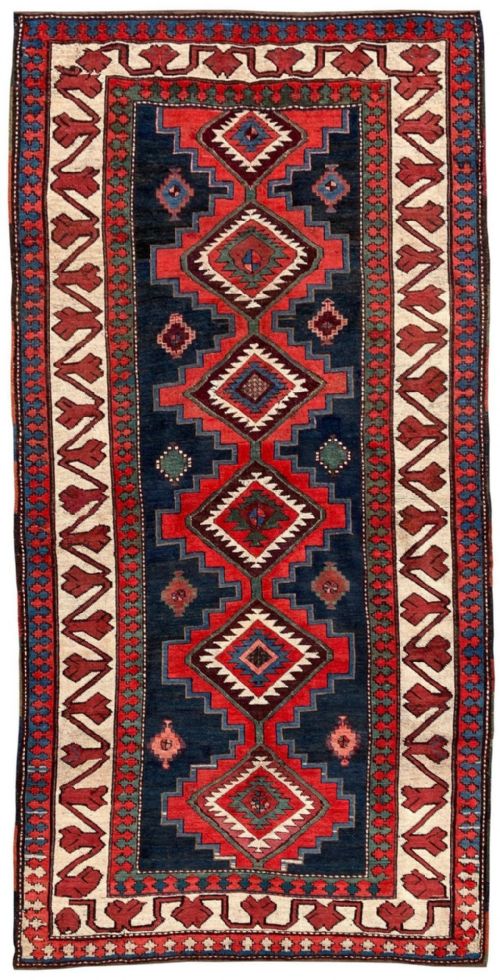
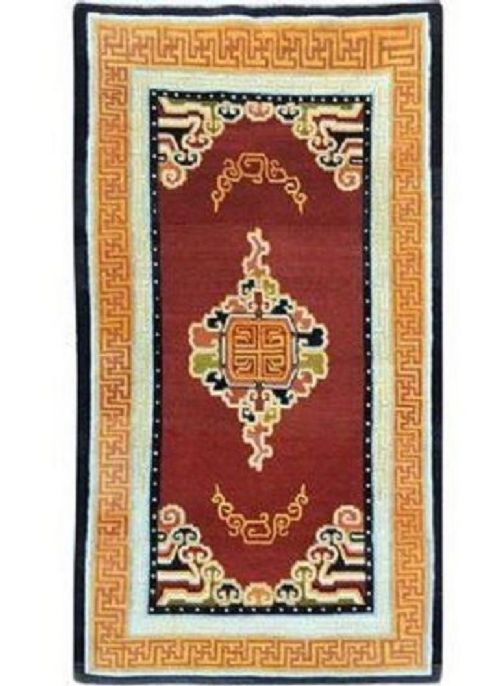
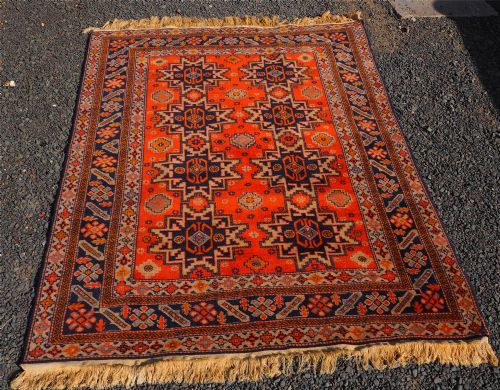
When you search for a traditional hand woven rug, you encounter room-sized carpets and smaller floor coverings originating from Persia, Armenia, and Kurdish regions. These floor coverings span the nineteenth century and the early decades of the twentieth century, specifically between the nineteenth century and 1930.
The pieces on this page include specific regional forms such as Heriz, Jozan, Karaja, Kurdish village works, Quchan, Erivan, Jaf, Tabriz, and Kirman. Buyers most frequently meet village and tribal formats that display geometric or medallion layouts.
The origins stretch across North-West Persia and the Caucasus, encompassing distinct tribal groups and workshops. Each area imparts its own palette and structural arrangement to the finished floor covering.
What varies in quality
The distinction between standard village pieces and finer workshop carpets lies in the crispness of the drawing and the complexity of the wool preparation. Superior examples display deep, saturated colour palettes and finely spaced knots that hold intricate geometric or floral motifs.
Structural integrity depends on the original tension of the weave and the preservation of the outer edges and foundations. Pieces that retain their full dimensions and balanced proportions demonstrate the highest standard of regional craftsmanship.
Traditional Hand Woven Rug Retail Price Guide 2026
Typical asking prices for traditional hand woven rug among the pieces listed under this phrase on Sellingantiques today, from the lower quarter to the upper quarter. They describe what is for sale here now, not the wider market.
Current listings feature pieces made from wool, cotton, and hand-spun wool originating between the nineteenth century and 1930.
Benlian
The Traditional Hand Woven Rug Glossary
- Warp
- The vertical threads stretched across a loom that form the structural foundation of the textile. Fringe ends typically consist of these exposed warp threads.
- Weft
- The horizontal threads passed alternately over and under the warp threads to secure the knots in place. This element binds the structure widthways.
- Pile
- The upright surface of yarn that forms the soft nap of the floor covering. Weavers shear this wool to an even height after knotting.
- Medallion
- A large central ornamental design motif placed in the middle of the field. Many regional rugs feature this focal geometric or floral shape.
- Knot
- The individual loops of wool tied around the warp threads by hand. The density and type of knot define the regional style.
Traditional Hand Woven Rug: Frequently Asked Questions
How do I clean a traditional hand woven rug?
Professional specialist cleaning is essential for antique wool textiles to protect natural dyes and fragile foundations. Regular gentle vacuuming without a rotating brush bar prevents dirt accumulation in the pile.
Avoid household detergents and excess moisture, which can weaken hand-spun wool and cause colour migration across the cotton warp and weft.
Where were these traditional rugs made?
The pieces originate from regions across Persia, the Caucasus, and Armenia. Specific provenances include Heriz, Tabriz, Kirman, Jozan, and Kurdish tribal areas.
Each location developed distinct weaving methods, material choices, and design repertoires that distinguish village output from larger workshop production.
How do I date an antique rug?
Dating relies on stylistic analysis, material composition, and structural characteristics such as hand-spun wool usage and natural dye variations. Pieces on this page date from the nineteenth century up to 1930.
Comparative study of regional motifs and knot densities helps place a textile within a specific decade or broader period.
Are these rugs suitable for high-traffic areas?
Wool and cotton construction provides natural durability suitable for normal domestic floor use. Placing a quality underlay beneath the textile prevents slipping and reduces wear from friction.
Rotating the position periodically ensures even exposure to light and foot traffic over the years.