
Traditional Hall Lamps
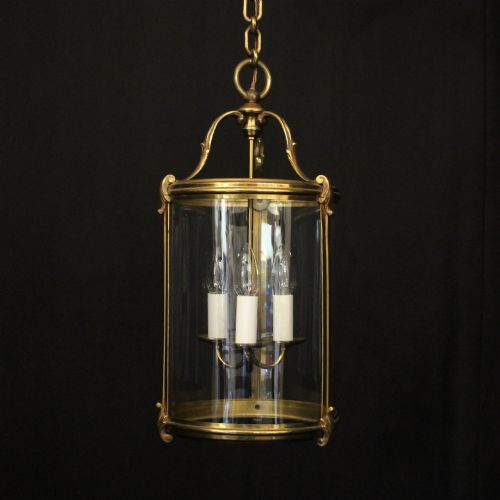
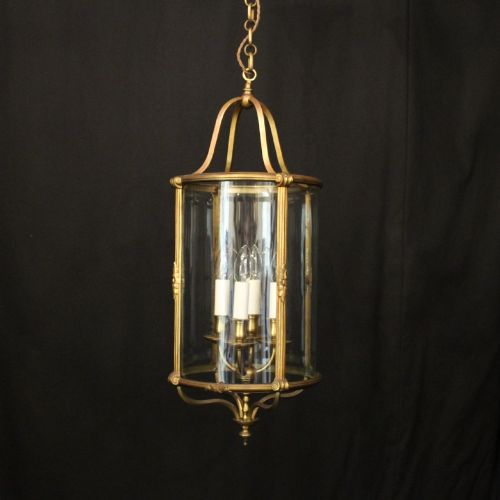
Traditional hall lamps bring architectural focus to an entrance, casting clear illumination through glass and metal frames.
Traditional Hall Lamps
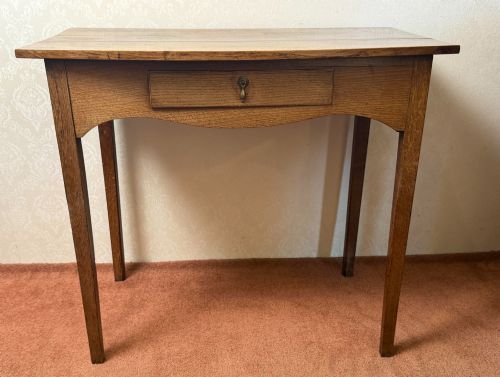
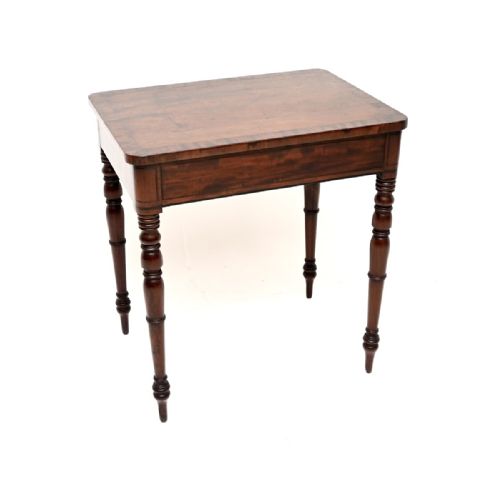
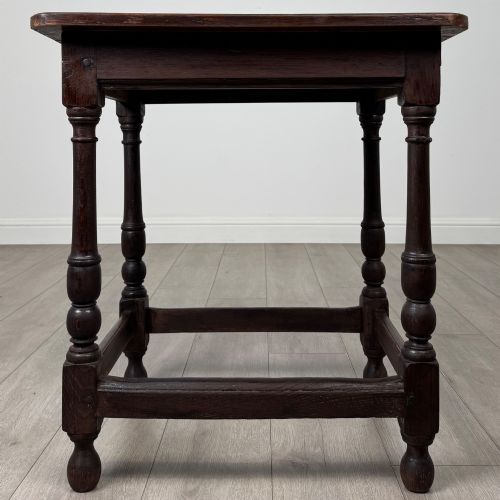
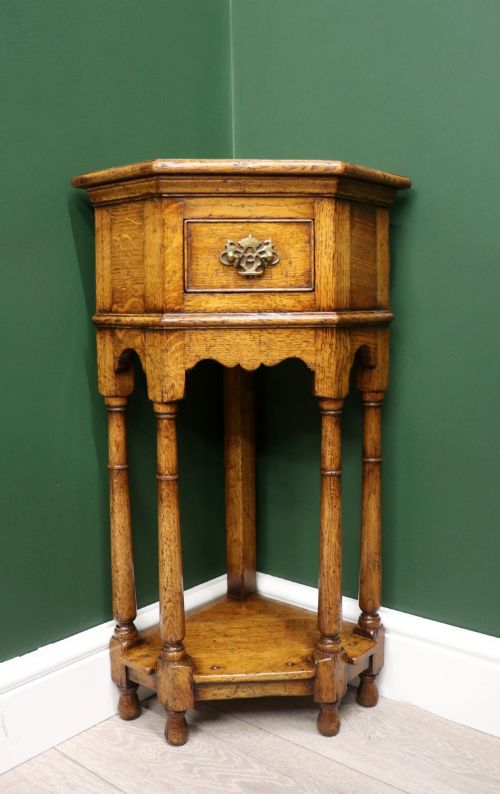
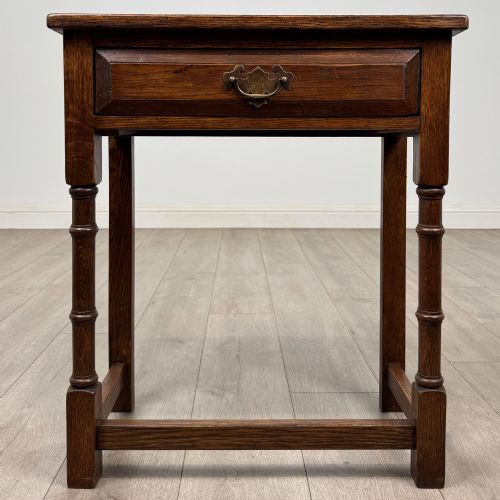
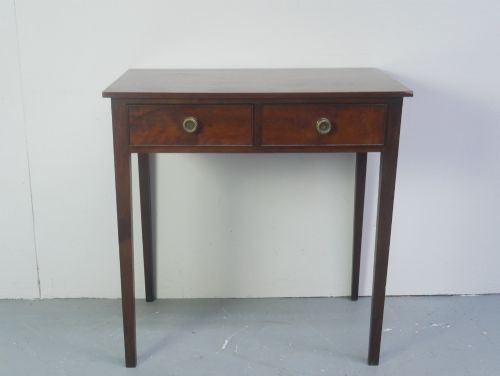
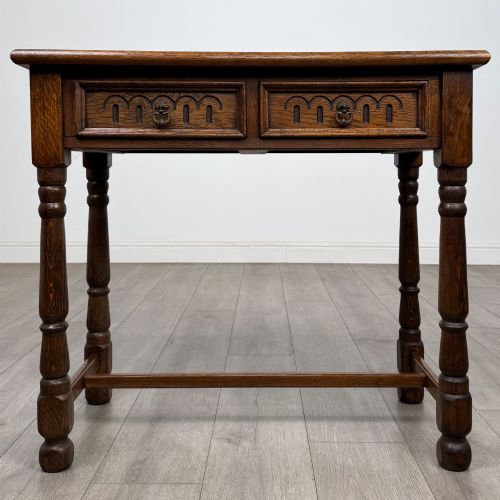
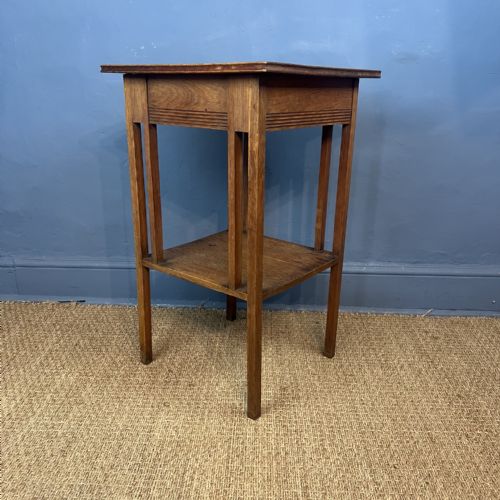
Traditional hall lamps illuminate entranceways and corridors through hanging lanterns and ceiling lights. When buyers search for traditional hall lamps, they encounter brass, bronze, and wrought iron fixtures alongside occasional side tables used for placement.
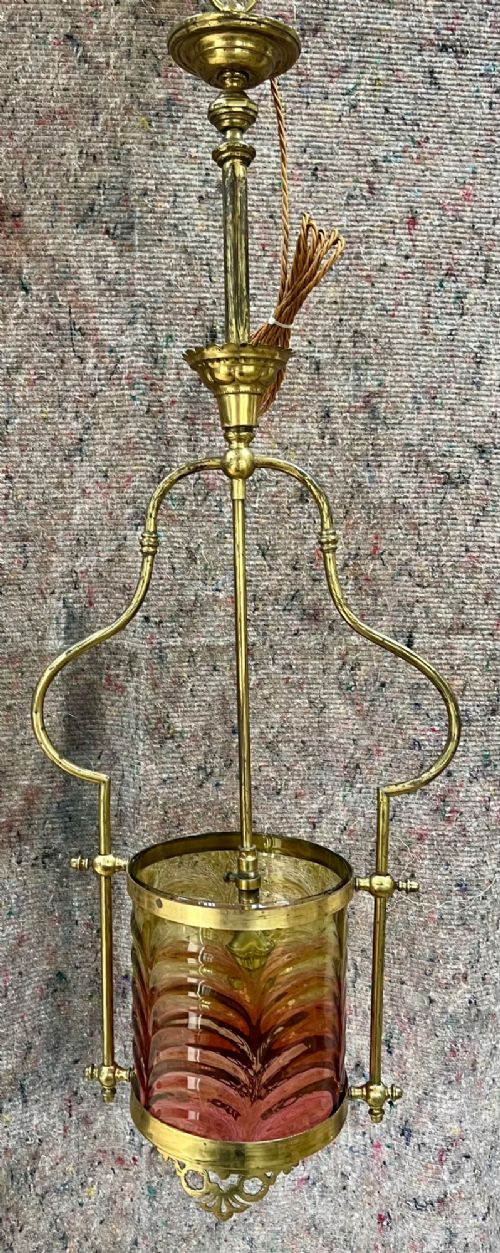
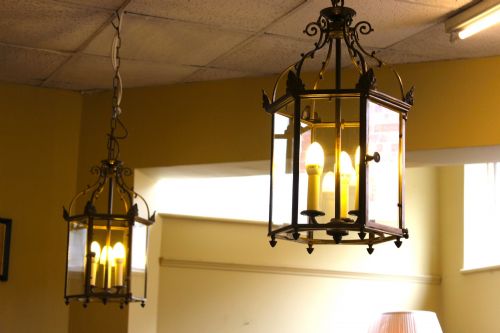
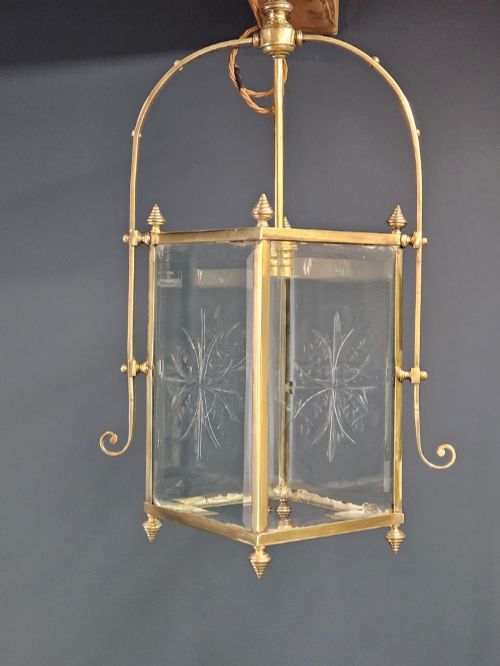
The selections span multiple periods, featuring Edwardian brass frames, Victorian wall lights, and French gilded lanterns from the early twentieth century. Hexagonal and convex glass designs appear frequently alongside simpler metal hanging lights.
Origin styles encompass Georgian, Gothic Revival, and Arts and Crafts movements. These pieces bring period character directly to entrance halls and landings.
How they were made
Metalwork forms the structural core of these lamps, utilising cast bronze, shaped brass, and hand-forged wrought iron. Artisans joined these metals to support glazed panels.
Glass panels, often convex or multi-sided, were cut and fitted into metal frameworks to diffuse light evenly. Gilding and patination completed the surface finishes on French and English examples.
Listings feature hanging lanterns and ceiling lights in brass, bronze, and wrought iron across Edwardian and Victorian periods.
What varies in quality
The weight of the metal framework and the clarity of the glass dictate the primary grade of the lantern. Heavier cast bronze and thick brass components demonstrate superior construction compared to lighter pressed metal.
Detailing in the metal chasing and the complexity of the glass panels separate standard production pieces from finer examples. Gilding preservation and structural rigidity through joints also define the upper tier.
The Traditional Hall Lamps Glossary
- Convex lantern
- A hanging light featuring curved glass panels that bulge outward. This shape disperses light across a wider angle in narrow spaces.
- Hexagonal
- A six-sided geometric form commonly used for lantern frames. It allows multiple glass panes to be fitted securely into a rigid metal skeleton.
- Gilded
- Coated with a thin layer of gold leaf or gilt finish. This technique enhances decorative metalwork on French lighting pieces.
- Wrought iron
- Iron beaten and shaped by hand into structural components. It provides sturdy framing for rustic or revival hall fixtures.
- Pendant light
- A fixture suspended from the ceiling by a single chain, cord, or rod. It hangs downward to provide direct illumination in halls.
Traditional Hall Lamps: Frequently Asked Questions
Where should hall lamps hang?
These lamps hang centrally in entrance halls, corridors, or above stair landings to provide adequate clearance and illumination.
Position them high enough to allow unobstructed movement beneath while ensuring the light reaches architectural details and doorways.
How do I clean brass lanterns?
Dust brass frames regularly with a soft dry cloth to prevent the buildup of grime on the metal surface.
Avoid harsh chemical polishes that strip historical patination, opting instead for gentle cleaning suited to antique metals.
Can these lights use modern bulbs?
Most antique lanterns accommodate modern electrical fittings adapted by professional electricians for contemporary domestic safety.
Check the internal wiring and bulb wattage limits with a specialist before installation in a residential hallway.
How do I identify Edwardian lanterns?
Edwardian hall lamps often feature bright brass frames and clean geometric lines influenced by late nineteenth-century domestic design.
They frequently employ clear or lightly textured glass panels set within simpler metal structures than their ornate Victorian predecessors.