
Traditional Hall Console Table
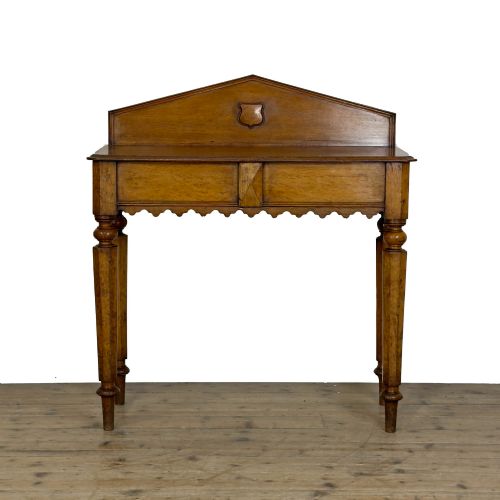
A traditional hall console table brings grounded timber and clean linear proportion right to the threshold of a room.
Traditional Hall Console Table
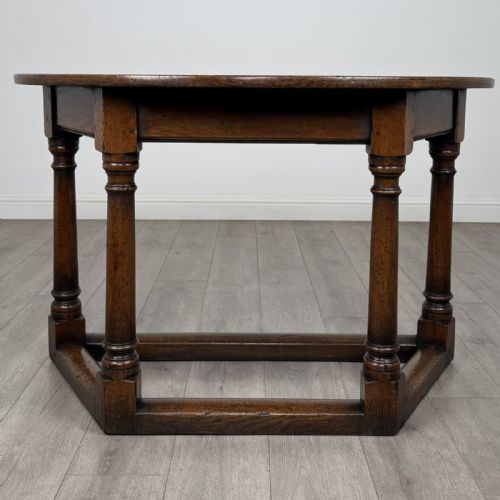
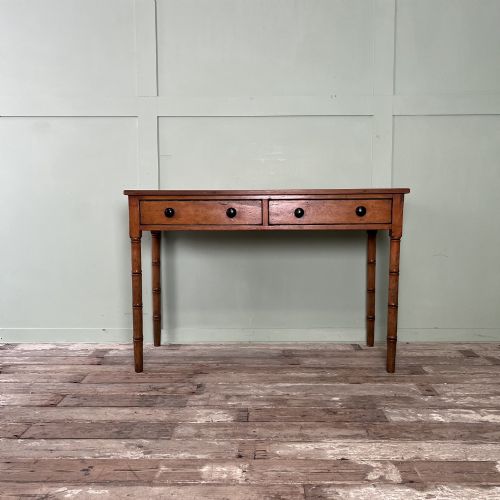
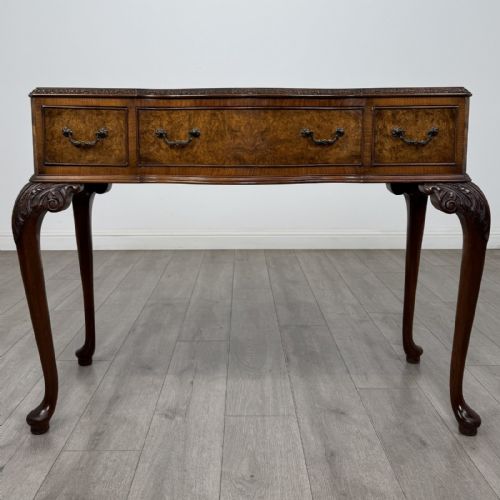
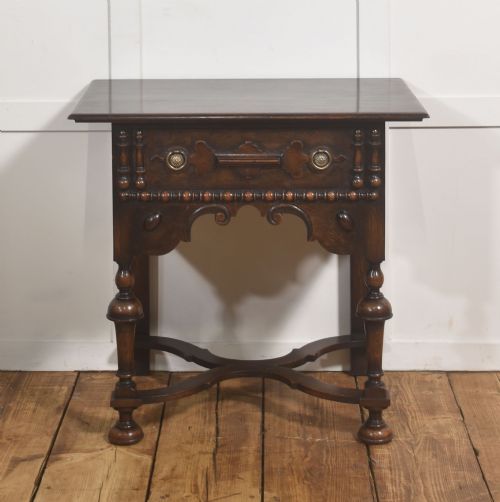
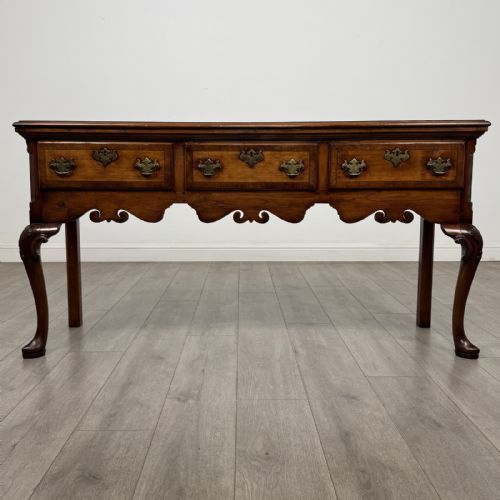
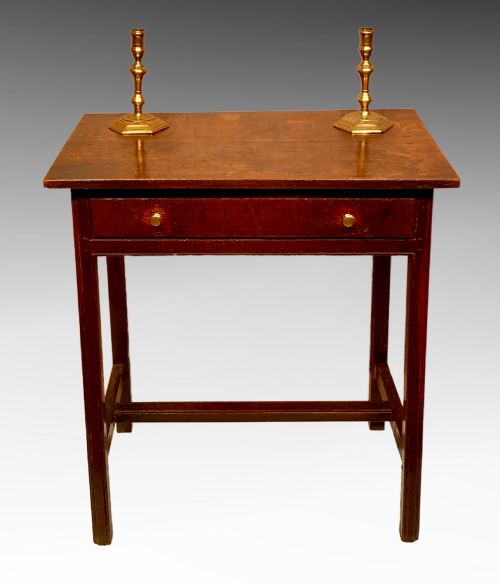
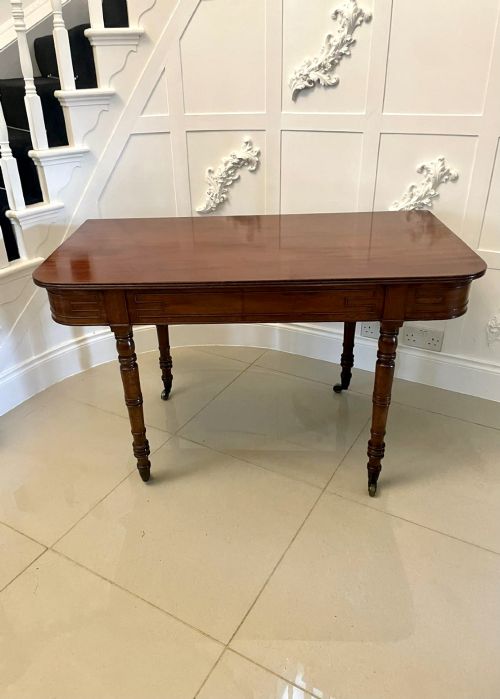
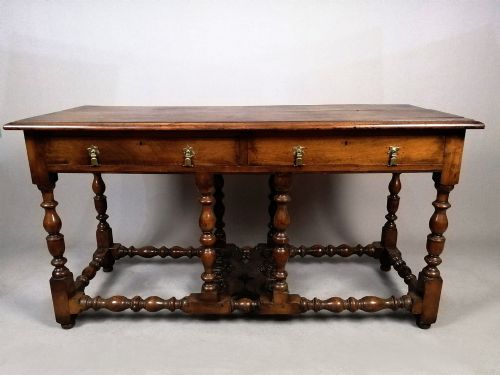
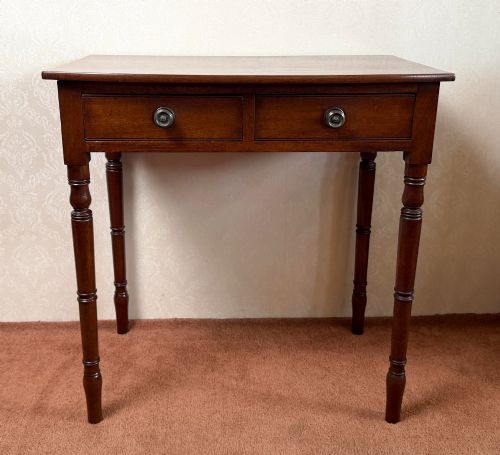
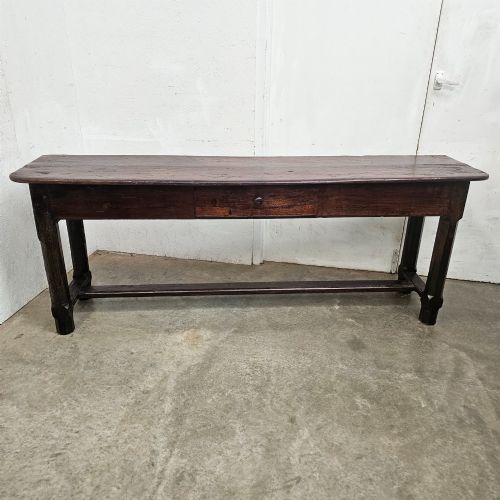
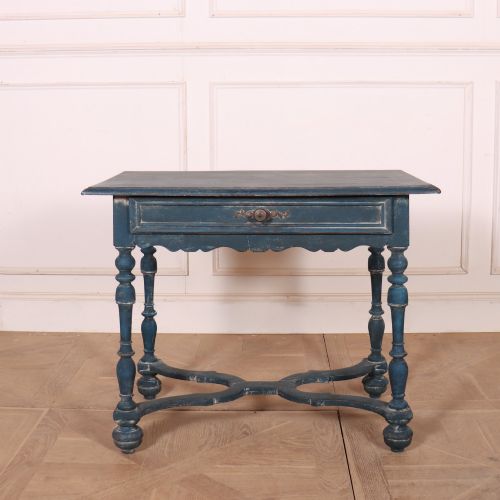
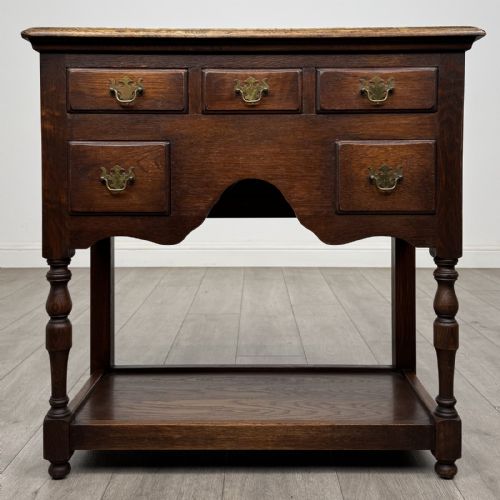
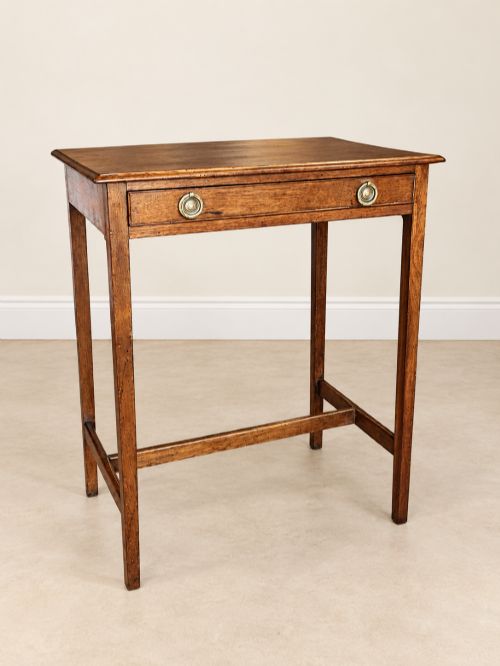
A traditional hall console table serves as a functional anchor for entranceways, typically presenting as a narrow surface supported by legs or a dresser base. Buyers seeking this phrase encounter formats ranging from slender writing desks and lowboys to serpentine serving tables and altar pieces.
The pieces span multiple eras, drawing heavily on Georgian design principles, Victorian craftsmanship, Edwardian utility, and the robust aesthetic of the eighteenth and nineteenth centuries. Oak and mahogany dominate the offerings, appearing alongside walnut and elm in varied rectilinear and demi-lune footprints.
Examples stretch from early eighteenth-century English oak designs to later revivals, accommodating spaces that require shallow depths without sacrificing surface utility. Whether built with fitted drawers, potboards, or cabriole legs, each configuration addresses the specific spatial demands of corridors and landings.
Materials and Construction
Cabinet makers relied primarily on solid hardwoods such as oak, mahogany, and walnut, often selecting figured burr veneers for prominent top surfaces and drawer fronts. Brass hardware, including handles and key escutcheons, provides functional contrast to the dark timber grains.
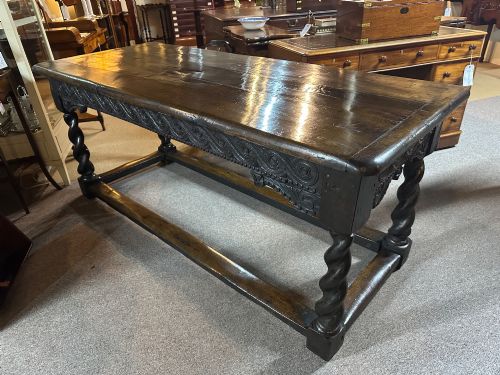
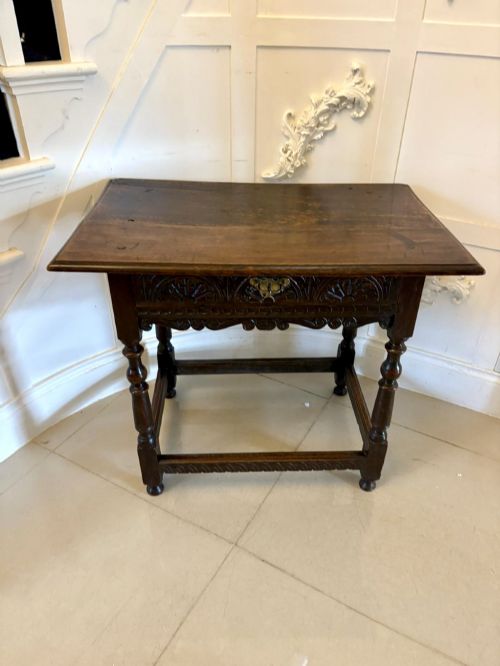
Joinery methods reflect traditional workshop practices, utilising pegged mortise and tenon frames, dovetailed drawer construction, and hand-carved decorative details like barley twist legs and neoclassical motifs. Secondary timbers like pine appear in internal framing and drawer linings.
Surfaces receive traditional hand-finishing treatments, ranging from wax polish that highlights the natural figuring of oak and walnut to painted finishes on servers. Carved elements are worked directly into the solid timber structure rather than applied as separate ornamentation.
Object forms span standard side tables, writing desks, altar tables, and robust dresser bases.
Distinctions in Quality
The calibre of a traditional hall console table rests in the crispness of its hand-carved detailing and the selective matching of timber veneers across large surfaces. Superior examples demonstrate deliberate grain continuity and tight, precise joinery that withstands centuries of daily use.
Proportion and scale dictate the visual success of narrower formats, where subtle refinements in leg turnings or serpentine curves elevate a functional utility piece into a balanced decorative object. Maker attribution and documented regional origin further separate standard workshop production from distinguished cabinet work.
Gillows·J A Mein Edinburgh Cabinet Maker
The Traditional Hall Console Table Glossary
- Lowboy
- A small oak or walnut table with one or more rows of drawers, commonly used as a side or dressing table during the eighteenth century.
- Dresser base
- A heavy wooden sideboard structure featuring lower storage levels or potboards beneath a spacious working surface.
- Demi-lune
- A half-moon shaped furniture design that sits flush against a wall, frequently utilised for console and serving tables.
- Potboard
- An open slatted lower shelf integrated into the base of a dresser or console table for storing kitchen or hall items.
- Serpentine
- A gently undulating tabletop edge or front profile featuring alternating convex and concave curves.
Traditional Hall Console Table: Frequently Asked Questions
What is a traditional hall console table used for?
These narrow tables provide a convenient surface in entranceways and corridors for placing keys, correspondence, and decorative objects without obstructing passage.
Many incorporate fitted drawers or lower shelves, adding practical enclosed storage for smaller everyday household items.
How do I choose the right size for my hallway?
Measure the available wall length and carefully check the depth of the table to ensure adequate clearance for movement in narrow corridors. Narrower side tables and shallow demi-lune formats work best in restricted spaces where standard furniture protrudes too far.
How can I tell an eighteenth-century table from a later revival?
Examine the construction methods inside the drawers and underneath the top boards for hand-cut dovetails, tool marks, and timber shrinkage patterns consistent with age. Revival pieces from the Edwardian period or around nineteen hundred often display uniform machine milling and different secondary woods.
How do I care for antique timber furniture?
Maintain the finish by applying traditional beeswax periodically and buffing gently with a soft cloth to nourish the wood grain. Keep the table away from direct heat sources and strong sunlight to prevent timber splitting and fading.