



Traditional Gold Charm
Traditional gold charm items are small, meaningful keepsakes fashioned from precious metals, prized for their personal symbolism and historical craftsmanship.
Traditional Gold Charm
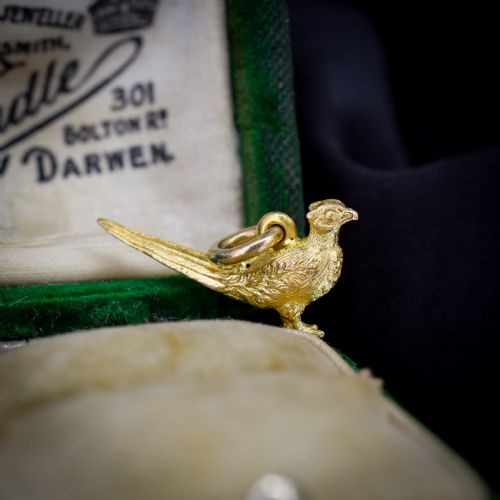
A traditional gold charm represents a miniature decorative pendant designed to be suspended from a bracelet or necklace, often capturing specific motifs or subjects from daily life and nature. These pieces emerge across several periods, including the Victorian era, Edwardian period, and mid-twentieth century.
The selections on this page encompass various iterations of gold pendants and charms, alongside related items in yellow, rose, and higher-karat gold forms. Buyers encounter both standalone charms and items integrated into bracelets or necklaces.
Certain objects bridge categories by combining gold components with decorative elements, reflecting diverse stylistic influences ranging from Victorian Revival to mid-century vintage designs.
How they were made
Production relies heavily on working with 9ct gold, 9ct yellow gold, 9ct rose gold, and 15ct yellow gold to shape the structural elements and pendant bodies. Metalworking techniques involve casting, engraving, and linking components to form secure loops and mountings.
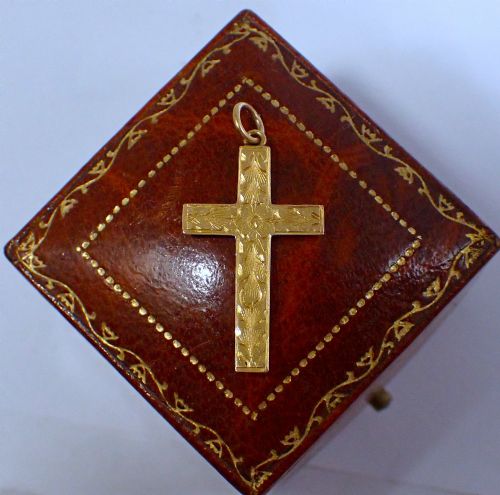
Detailing often incorporates precise hand-engraving directly onto the gold surface, as seen in patterned lockets and cross pendants. Gemstones such as rubies and diamonds occasionally accent the gold settings in cluster pendant configurations.
Traditional Gold Charm Retail Price Guide 2026
Typical asking prices for traditional gold charm among the pieces listed under this phrase on Sellingantiques today, from the lower quarter to the upper quarter. They describe what is for sale here now, not the wider market.
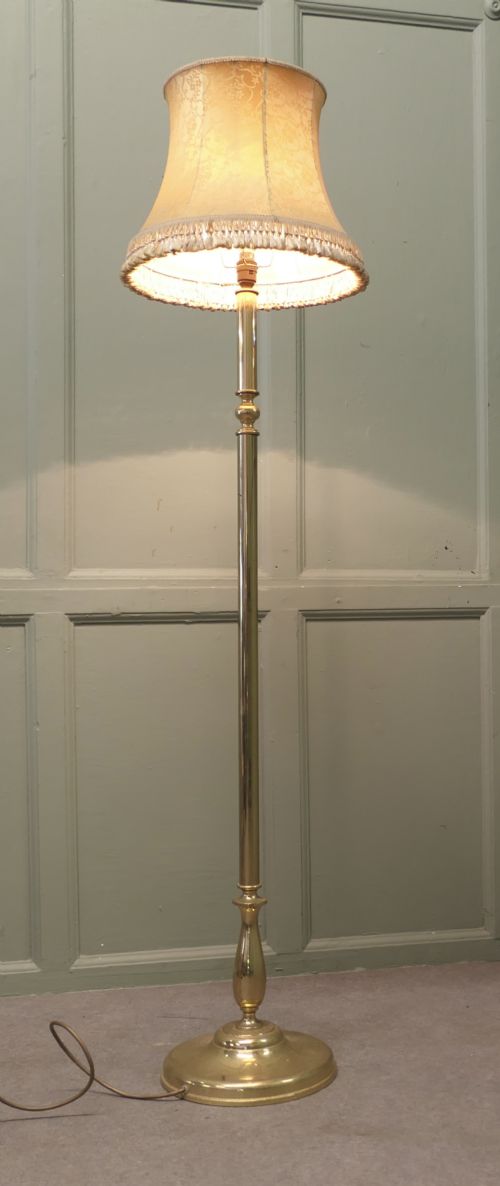
Materials documented across the available pieces include 9ct yellow gold, 9ct rose gold, 15ct yellow gold, brass, and fabric.
What varies in quality
Quality differences depend on the purity of the metal used, with higher-karat options like 15ct gold presenting a richer tone compared to standard 9ct variations. The depth and clarity of hand-engraving also distinguish finer examples from simpler production pieces.
Structural integrity in the suspension loops, hinges, and clasps determines the durability of each charm or pendant during regular wear. The precision in setting any accompanying gemstones further marks the distinction between standard and superior pieces.
Ferruccio Vitale
The Traditional Gold Charm Glossary
- 9ct Gold
- An alloy containing a specific proportion of pure gold mixed with other metals for strength. It is commonly utilised in British jewellery manufacturing.
- 15ct Gold
- A higher-karat gold alloy containing a greater percentage of pure gold than 9ct variants. This designation appears frequently in older Victorian pieces.
- Rose Gold
- A gold alloy created by combining pure gold with a higher proportion of copper, producing a distinct reddish tint. It was particularly popular during the Victorian and Edwardian eras.
- Padlock
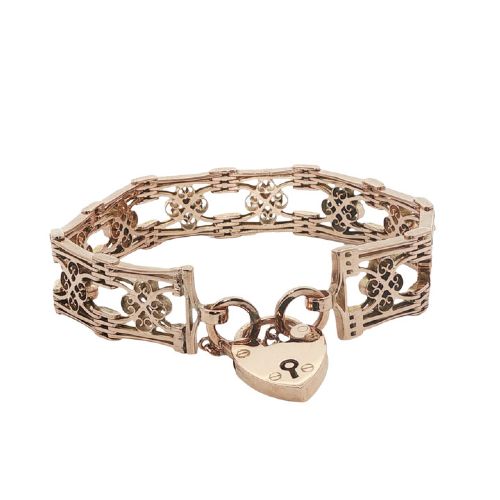
- A functional or decorative clasp shaped like a miniature padlock, often attached to gate bracelets. These serve both a secure fastening purpose and a decorative role.
- Locket
- A hinged pendant designed to open and enclose a small photograph or keepsake. They frequently feature engraved surface decoration on the exterior.
Traditional Gold Charm: Frequently Asked Questions
What is a traditional gold charm?
A traditional gold charm is a small decorative metal pendant, often shaped like animals, objects, or symbols, meant to be worn on a bracelet or chain.
These pieces reflect the personal tastes and commemorative traditions of their respective eras, ranging from Victorian designs to mid-twentieth-century examples.
How do I wear a traditional gold charm?
Most charms are designed with a small loop or jump ring to attach directly to a link bracelet or a neck chain.
They can be worn singly as a minimalist pendant or grouped with other charms to form a narrative collection.
How do I identify older pieces?
Older examples often display specific stylistic traits from the Victorian or Edwardian periods, such as hand-engraved motifs or specific fastener types like heart padlocks.
Examining the metal colour and construction methods also helps differentiate nineteenth-century items from later twentieth-century productions.