



Traditional Gold Band Ring
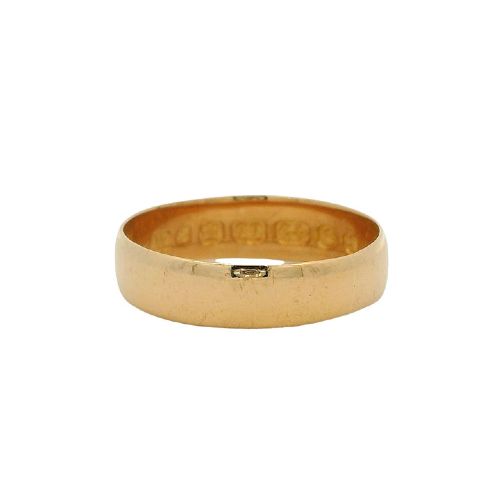
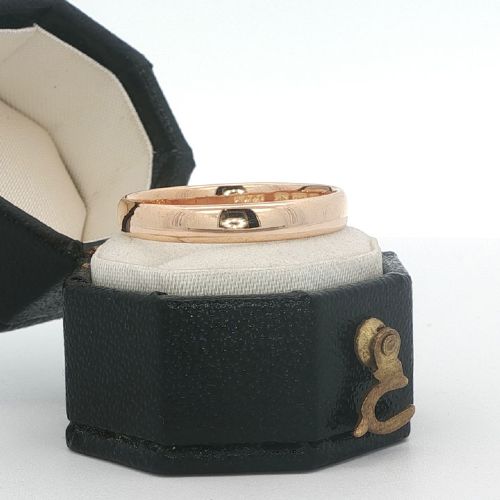
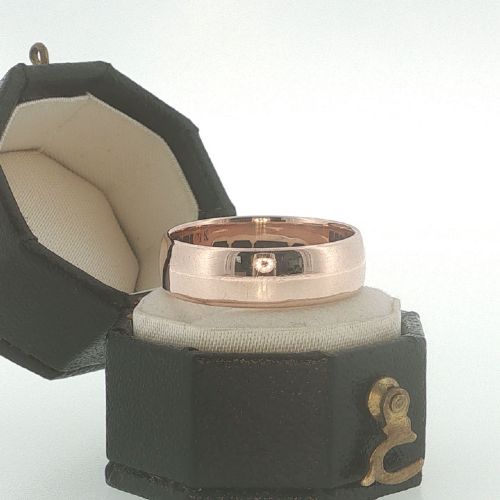
A traditional gold band ring is a simple circle of precious metal worn to mark commitment, valued for its enduring weight and daily comfort.
Traditional Gold Band Ring
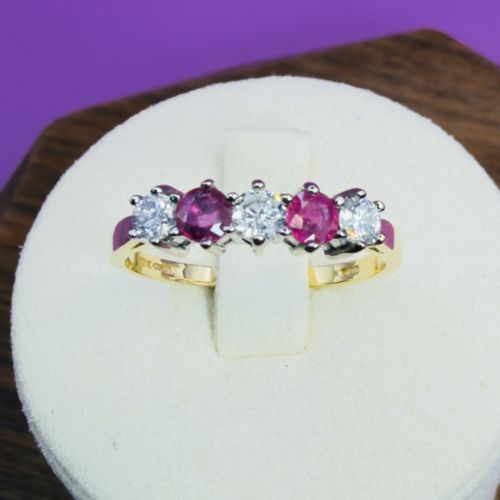
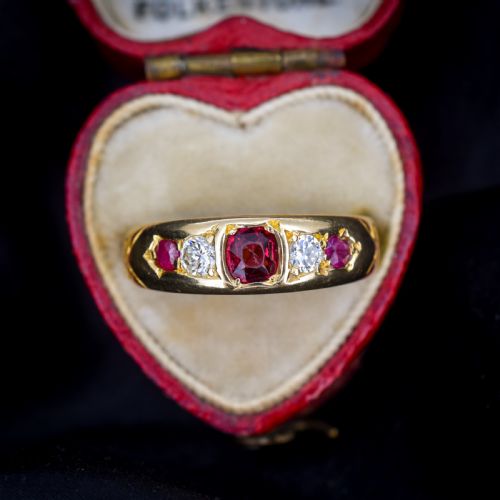
A traditional gold band ring encompasses plain wedding bands, gypsy settings and stone-set multi-stone rings spanning the Victorian era through the mid-twentieth century. Buyers searching for a traditional gold band ring frequently encounter high-purity plain hoops alongside gem-set designs featuring diamonds, sapphires and rubies.
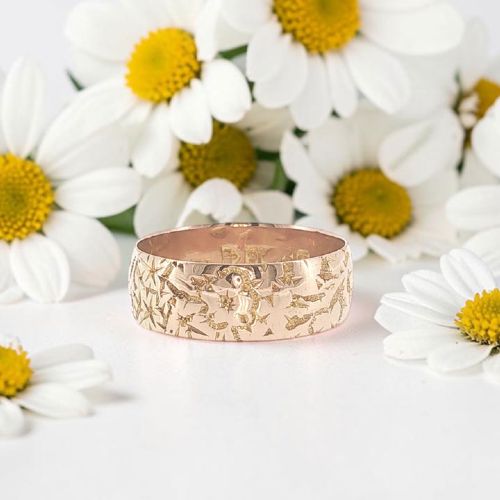
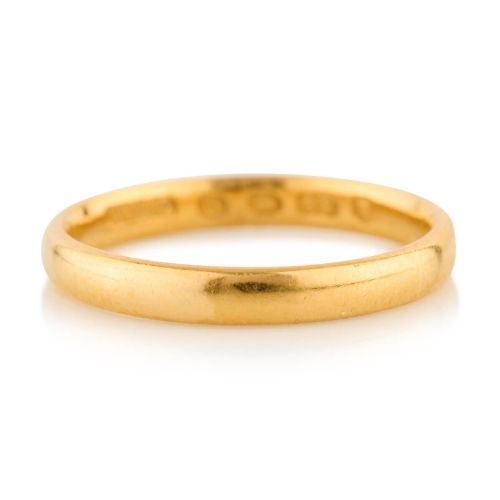
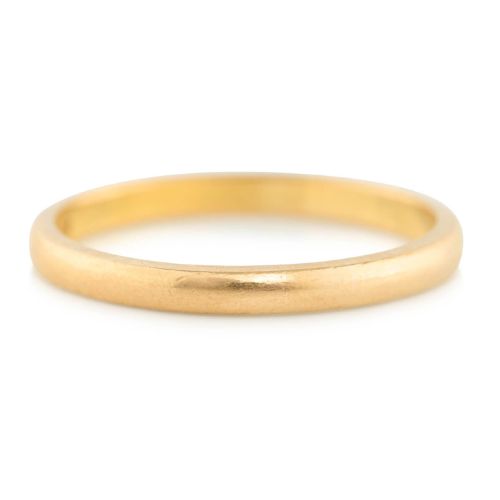
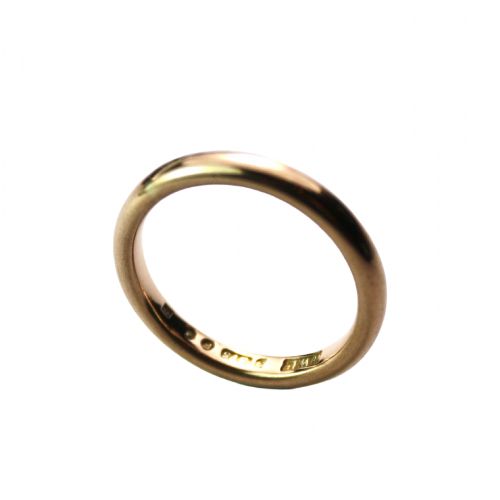
The selection ranges from nineteenth-century yellow gold bands with engraved decoration to mid-century white gold and yellow gold eternity styles. Plain 22ct gold wedding bands dominate the earlier periods, while 9ct and 18ct gold accommodate various stone settings.
Originating largely from British workshops and assay offices, these pieces display hallmarks that trace their precise history. The forms remain straightforward, focusing on comfortable daily wear and durable metal thickness.
Materials and construction methods
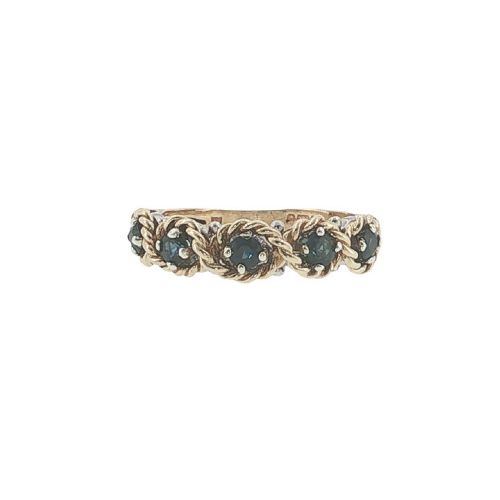
Goldsmiths utilised high-purity 22ct gold alongside 18ct and 9ct variations, shaping the metal into solid bands of varying widths. The heavier plain bands rely purely on the rich colour and density of high-carat gold, whereas gem-set variants incorporate securely flush-set diamonds, rubies and sapphires.
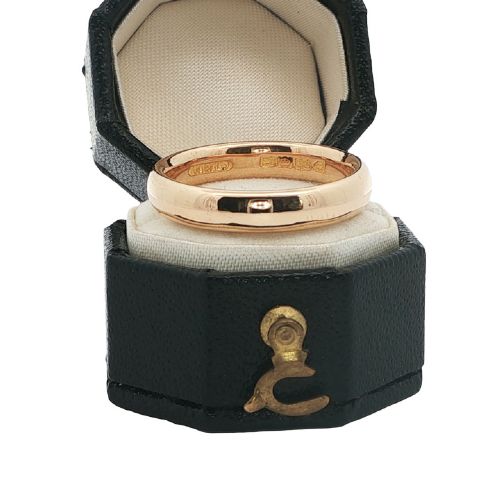
Hallmarks stamped directly into the interior of the metal record the assay office, such as Chester or London, alongside date letters and purity marks. Traditional techniques involved hand-forming the heavy metal strip and soldering the joint before stamping the official assay marks.
W. E. D. L left their mark on a 1930s band, ensuring someone's initials live on as a maker's stamp.
Evaluating craftsmanship and condition
Quality in these rings rests upon the original thickness of the metal and the crispness of the remaining hallmarks. Plain bands wear down over decades of daily friction, meaning substantial gauge and clear stamps distinguish superior survivors from heavily polished examples.
For gem-set pieces, the security of the settings and the matching quality of the stones dictate the standard. Superior examples retain well-defined claw or gypsy star settings that hold diamonds and sapphires firmly without distortion to the surrounding gold.
The Traditional Gold Band Ring Glossary
- Hallmark
- An official stamp struck into precious metal indicating purity, the maker, and the assay office of origin. These marks provide definitive proof of a ring's age and metal standard.
- Gypsy ring
- A style where gemstones are flush-set directly into a heavy, tapered band of metal rather than held in raised claws. This design protects the stones and offers a smooth profile against the finger.
- Carat
- The measure of gold purity, where 24 carats represents pure gold. British antique bands frequently utilise 22ct for deep colour, alongside durable 18ct and 9ct alternatives.
- Assay office
- An official body responsible for testing precious metal and applying statutory purity marks. British offices include London and Chester, whose symbols appear inside antique bands.
- Eternity ring
- A band set continuously with gemstones symbolising endless love. Half eternity variations feature stones across the upper face to preserve sizing comfort.
Traditional Gold Band Ring: Frequently Asked Questions
How do I check the ring size?
Ring sizes are measured using standard letter scales on a mandrel. It is helpful to have a local jeweller confirm your exact fit before purchasing.
Older British bands often reflect sizing from specific decades, and solid gold bands can sometimes be adjusted depending on their hallmarks and width.
Can these rings be worn daily?
High-carat plain gold bands are remarkably durable and built for everyday wear. Their solid metal construction handles constant contact with ease.
Gem-set or lower-carat variations benefit from occasional checks by a jeweller to ensure stone settings remain completely secure during daily use.
What does the hallmark tell me?
British hallmarks identify the exact assay office, the purity of the gold, and the specific year the piece was tested. This official stamping offers reliable dating.
Letters and symbols stamped inside the band connect the ring to specific eras like the Victorian period or the mid-twentieth century.
How do I clean antique gold?
Warm water, mild soap, and a soft brush will safely remove everyday oils from gold bands and stone settings. Avoid harsh chemicals.
If the ring contains softer gems like opals, extra care is required to protect the stones from sudden temperature changes and abrasion.