
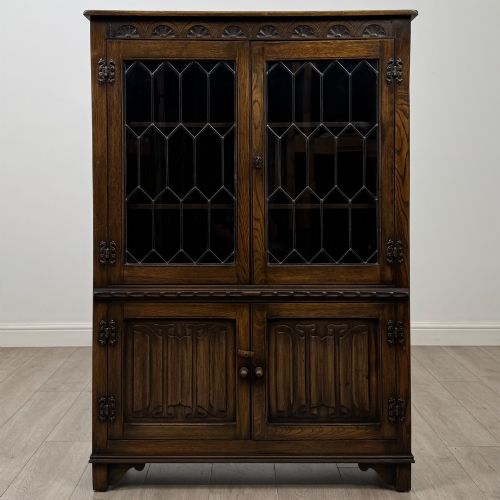
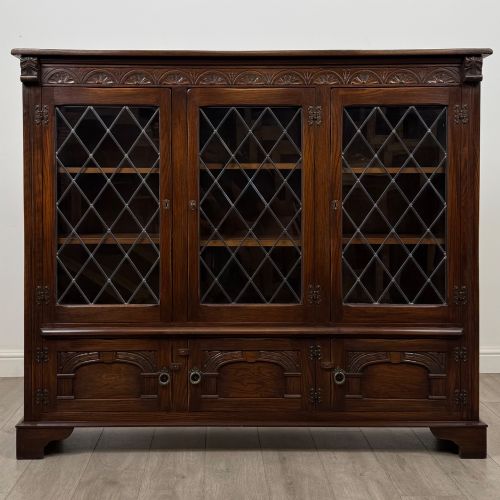
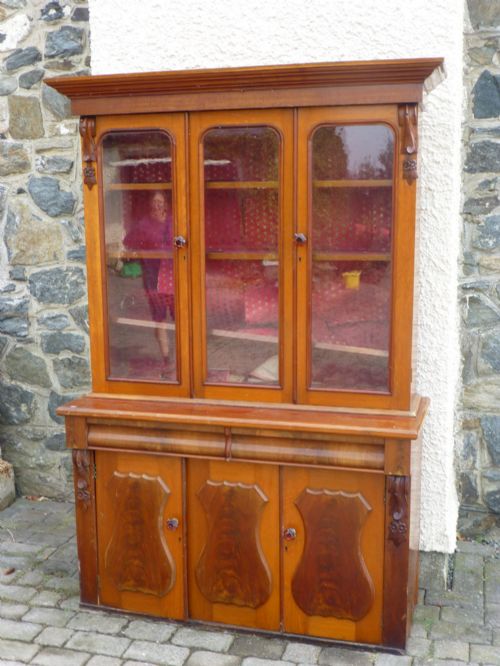
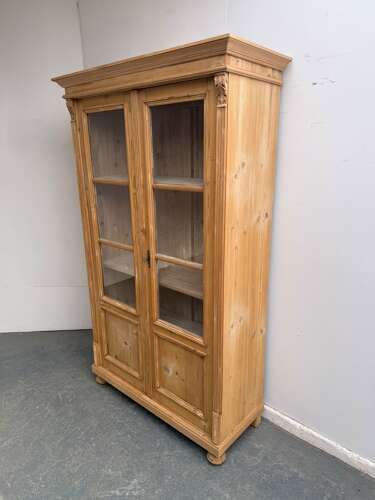

Traditional Glass Bookcase
Traditional glass bookcases provide proper storage for libraries and collections, bringing timber frames and glazed panels together.

Traditional Glass Bookcase
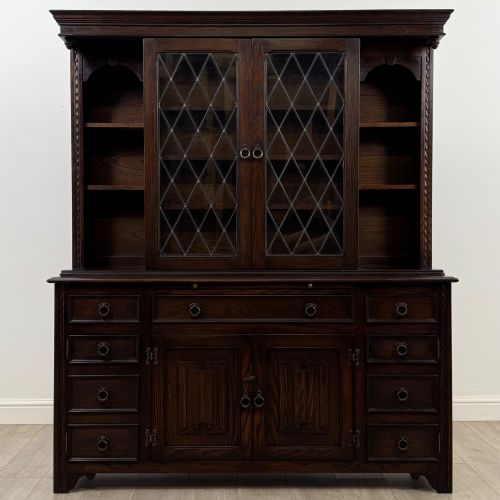
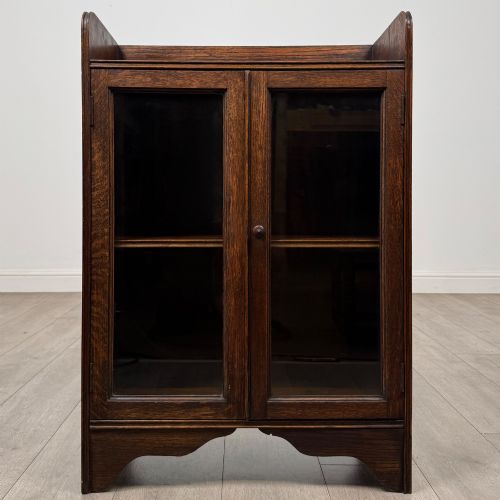
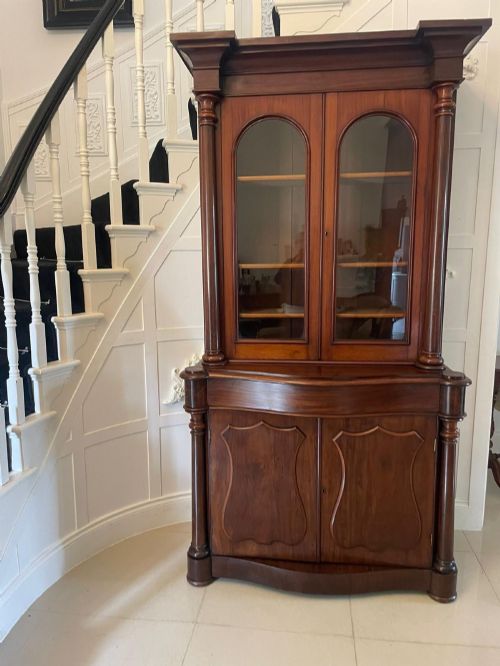
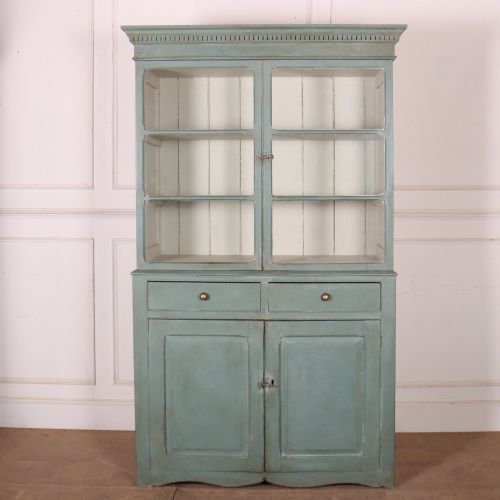
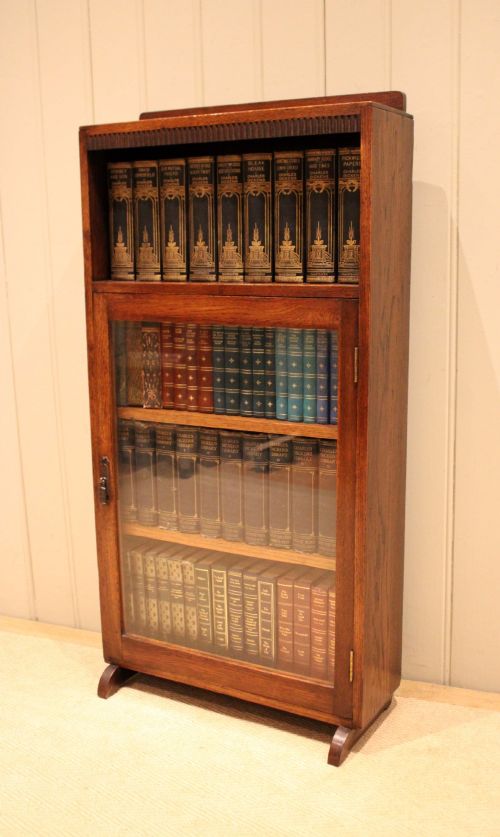
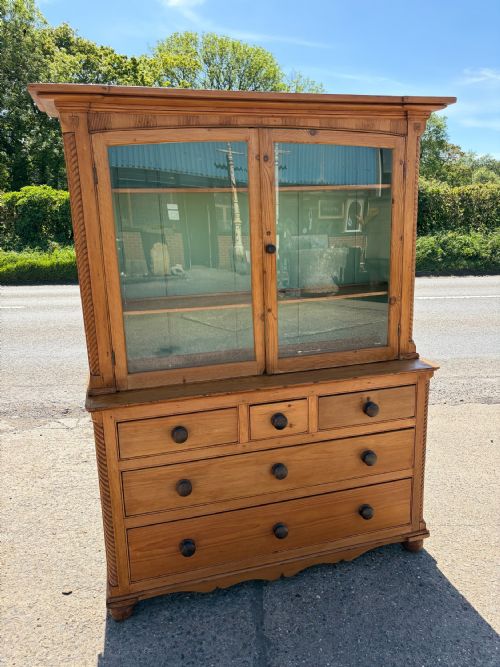
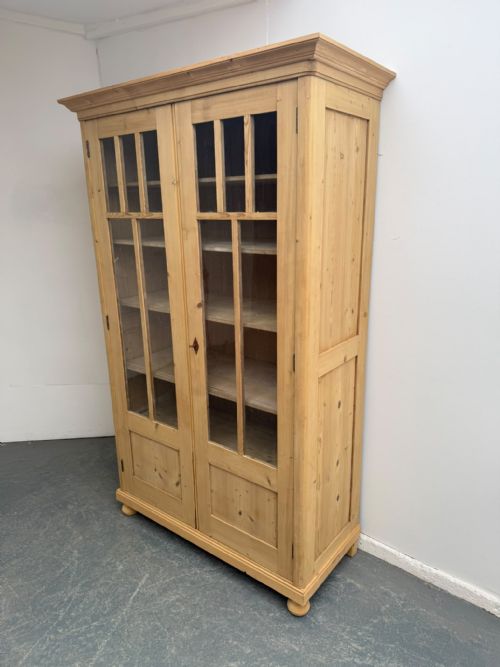
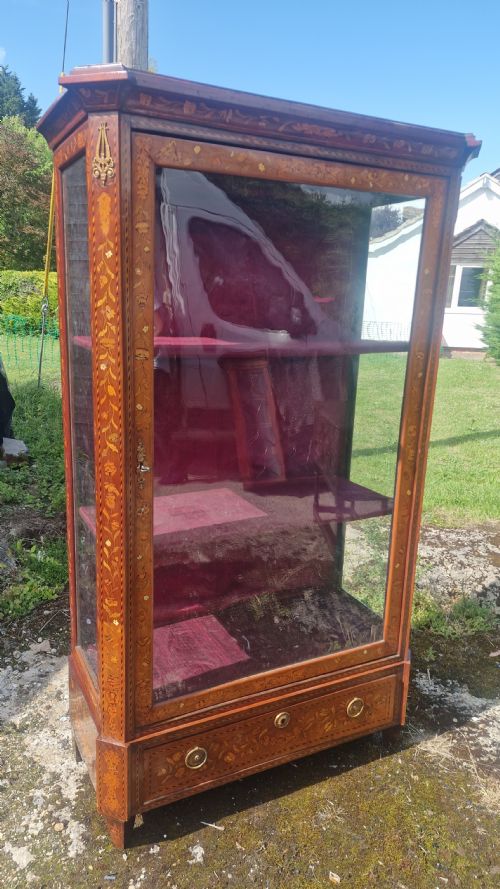
When you search for traditional glass bookcase, you encounter a variety of forms including standard bookcases, display cabinets, dressers, bureau bookcases, and corner cabinets. These pieces serve to house and protect books or display objects behind glass panels.
The pieces on this page span the 19th Century, Victorian, Edwardian, and Georgian periods, along with pieces from 1800, 1850, 1860, 1880, 1890, 1900, 1920, and 1930. You are most likely to meet Victorian and Edwardian examples in mahogany, oak, and pine.
Regional variations appear across the selection, encompassing English, Scottish, Welsh, Dutch, and Italian origins. Styles range from plain utilitarian formats to Tudor Revival, Jacobean Revival, Queen Anne Style, and Arts & Crafts designs.
How they were made
Makers utilised timber frames constructed from mahogany, oak, pine, and walnut, frequently pairing them with glass for upper doors and display sections. Brass hardware and lead came are also employed to secure and frame the glass components.
Surface treatments and decoration include inlay, carving, linenfold panels, Dutch marquetry, and wax or paint finishes. Construction methods range from knockdown pine carcasses to solid oak stacking barrister bookcases and large two-section library units.
Several pieces arrive ready for a fresh coat of paint, letting you choose between natural wax and bold colours.
What varies in quality
Quality differences emerge in the selection of timbers, such as burr walnut or fine mahogany compared to standard pine or oak. The execution of detail work, including carved ornamentation, inlaid marquetry, and astral glazing bars, distinguishes finer examples.
Structural scale and format also drive variation, moving from simple two-door bookcases to large triple kitchen dressers, bureau bookcases with fitted writing compartments, and substantial library bookcases.
The Traditional Glass Bookcase Glossary
- Astral glazed
- A term describing glass doors divided into smaller panes by wooden glazing bars, commonly seen on Edwardian and Georgian cabinets.
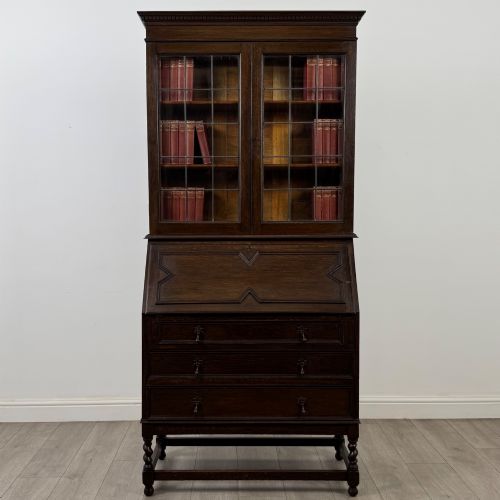
- Bureau bookcase
- A piece combining a sloping writing flap or secretaire drawer with a glazed bookcase top.
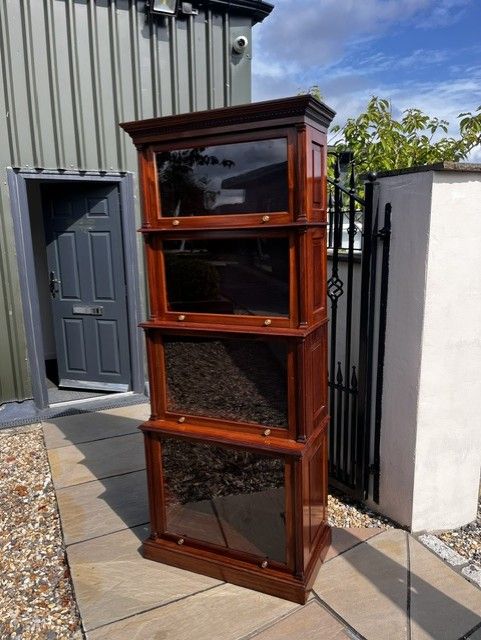
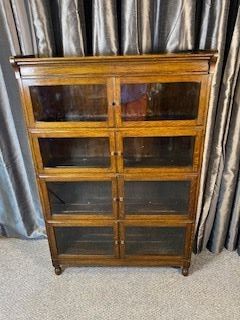
- Barristers stacking bookcase
- A modular bookcase featuring multiple sections with upward-lifting glass doors.
- Marquetry
- Decorative veneer work forming pictures or patterns using various tinted woods.
- Vitrine
- A glass-sided display cabinet designed for showing delicate objects.
- Secretaire
- A desk unit featuring a pull-out writing drawer containing small drawers and pigeonholes.
Traditional Glass Bookcase: Frequently Asked Questions
How do I clean the glass panels?
Use a standard glass cleaner applied to a cloth rather than directly onto the glass, preventing liquid from seeping into the timber frame or lead came.
Dry the surface immediately with a soft lint-free cloth to maintain clarity.
Can adjustable shelves be added?
Many traditional bookcases feature fixed wooden shelves or original support systems built into the cabinet interior.
Modifying these structures can alter the historical integrity of the piece.
How do I care for walnut and mahogany?
Apply a quality beeswax periodically to nourish the wood and maintain a natural sheen.
Keep timber furniture away from direct sunlight and heat sources to prevent warping and fading.
Are stacking bookcases stable?
Barristers stacking bookcases consist of separate modular sections resting one upon another.
They rely on their weight and correct placement to remain stable on even flooring.