
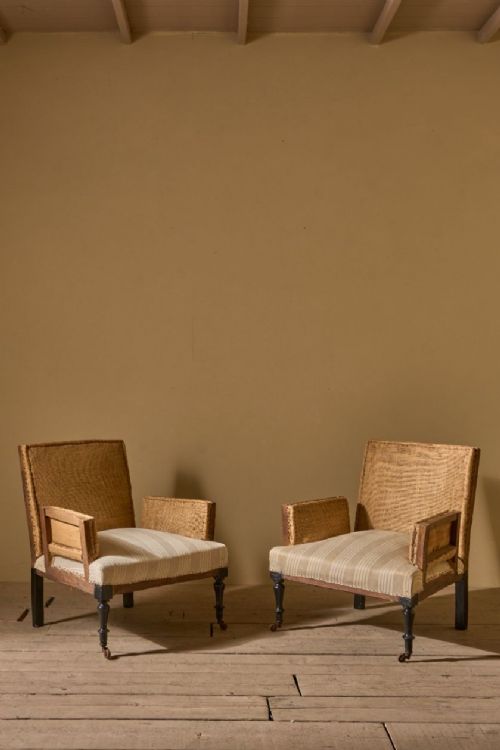
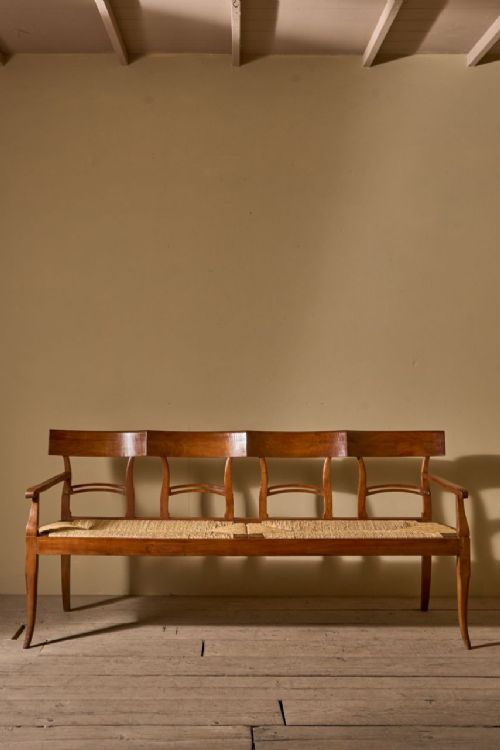
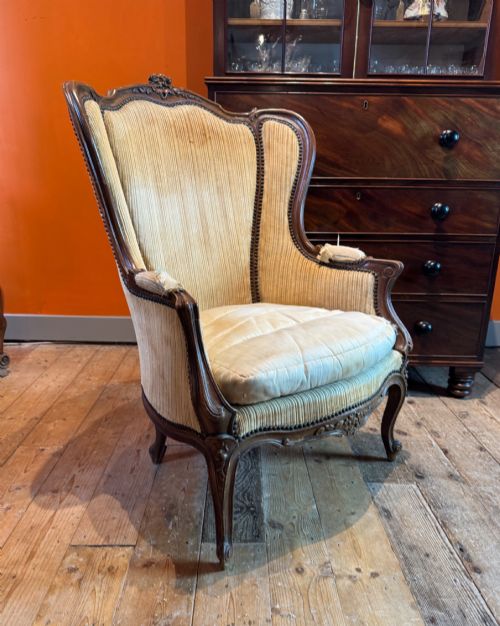
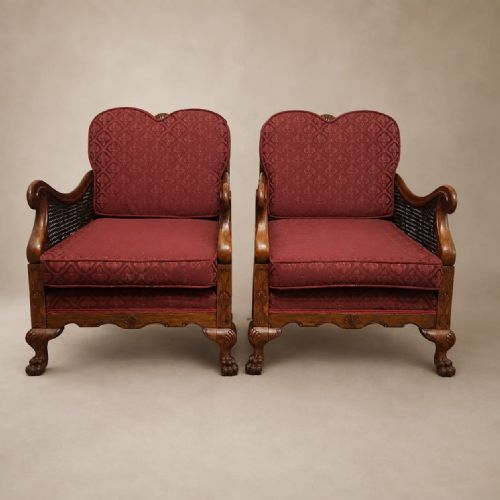
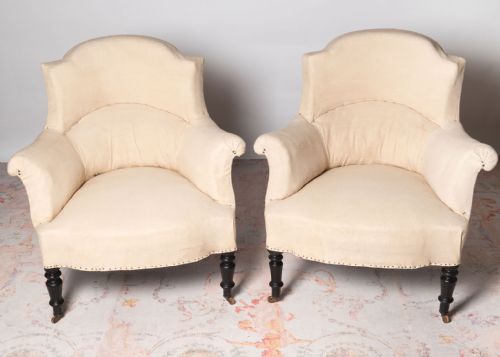
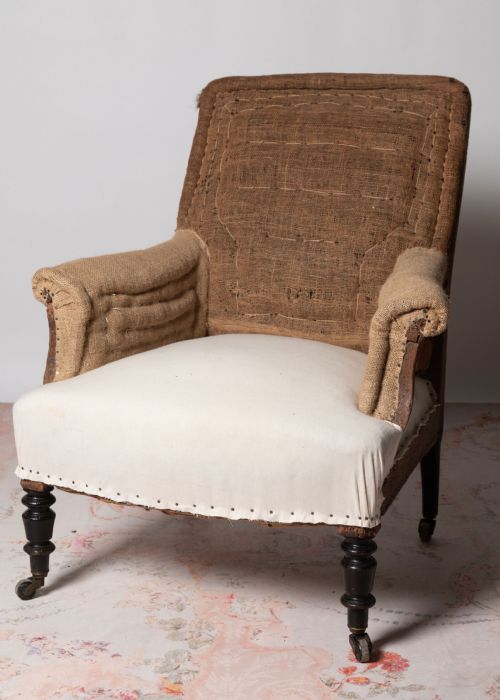


Traditional French Seating
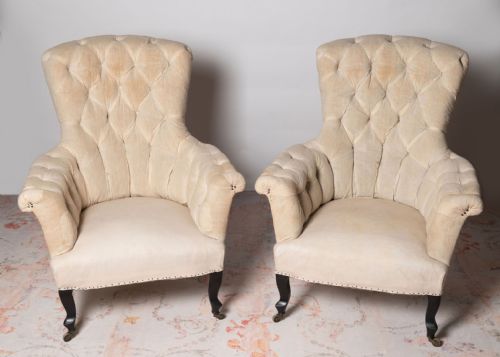
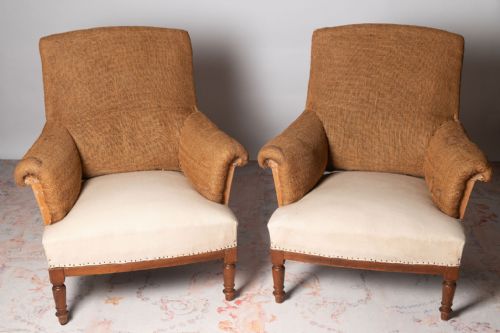
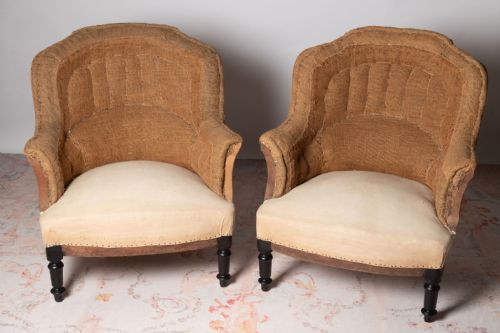
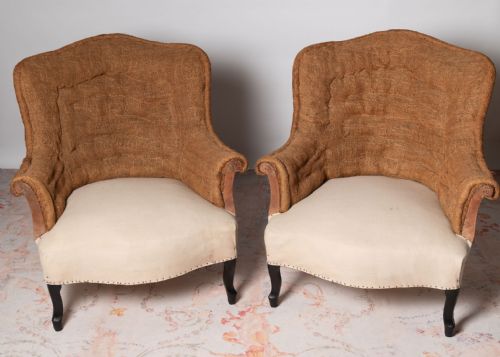
Traditional french seating brings tangible historic character to a room through upholstered armchairs, sturdy wooden benches, and carved wooden dining chairs.
Traditional French Seating
Traditional french seating encompasses diverse forms from armchairs and bergères to benches, sofas, and dining chairs originating across the nineteenth and twentieth centuries. Buyers seeking traditional french seating find pieces ranging from formal Napoleon III reception chairs to rustic country fruitwood dining chairs and cherrywood hall benches.
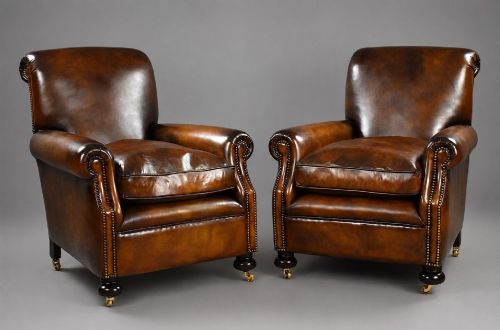
Nineteenth century pieces dominate the current selection, complemented by early twentieth century leather club chairs and Art Deco designs. Whether searching for a single statement lounge chair or matched pairs, the forms serve functional and decorative roles in interiors.
Materials and construction methods
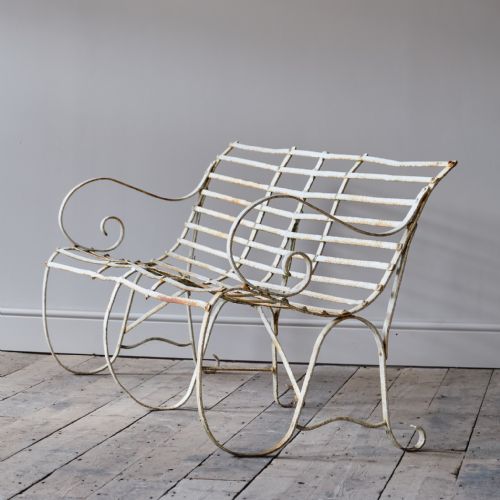
Traditional french seating relies primarily on solid timbers including walnut, cherrywood, fruitwood, and mahogany for structural frames. Wrought iron and cast iron appear in garden benches, while ebonised finishes and giltwood feature on more formal parlour seating.
Upholstery techniques incorporate traditional materials such as horsehair, feather cushions, hessian webbing, and fringe or tassel trims. Natural textures like rush, split cane, and sheep's hide leather provide durable and tactile surfaces for seats and backs.
Materials documented across the inventory include walnut, cherrywood, fruitwood, rush, hessian, and sheep's hide leather.
Distinguishing quality in construction and finish
Quality in traditional french seating rests on the integrity of the wooden frame, particularly the depth of hand-carved details on walnut and giltwood structures. Superior pieces display tight joinery and well-balanced proportions that withstand regular use.
The standard of upholstery materials defines the upper tier of seating, from supple sheep's hide on club chairs to deep buttoning and resilient feather fillings in sofas and library chairs. Original surface patinas on cherrywood and fruitwood also separate utilitarian items from finer salon pieces.
The Traditional French Seating Glossary
- Bergère
- An enclosed upholstered armchair with wooden framing, often featuring cane or upholstered sides. These comfortable seats became popular during the eighteenth century and inspired later revivals.
- Fauteuil
- An open-armed upholstered armchair with exposed wooden armrests and legs. The wooden frame is typically carved and polished.
- Napoleon III style
- A nineteenth century French design aesthetic characterised by eclectic revivals of past royal styles, often incorporating ebonised woods and rich upholstery. This style embraces ornate detailing and comfort.
- Rush
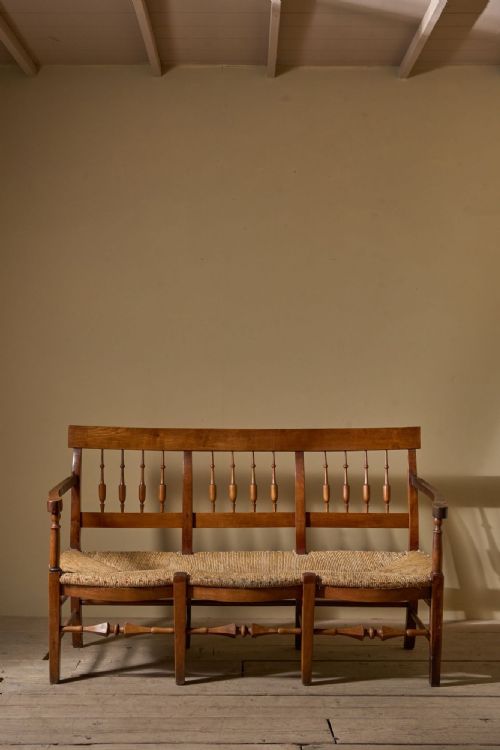
- A fibrous marsh plant woven to create durable seats for country chairs and benches. It offers a rustic texture suited to provincial furniture.
- Cane
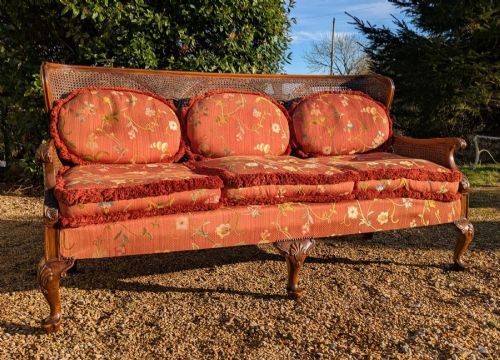
- Thin strips of peeled rattan woven in an open mesh pattern for chair backrests and seats. Split cane provides flexibility and lightness to wooden chair frames.
Traditional French Seating: Frequently Asked Questions
What is a bergere armchair?
A bergère is a traditional French enclosed armchair featuring upholstered sides and a loose seat cushion over a wooden frame.
These chairs prioritised comfort and frequently appeared in formal salons and sitting rooms throughout the nineteenth century.
How do I identify Napoleon III seating?
Napoleon III pieces often display ebonised wood frames, rich upholstery such as velvet, and ornate nineteenth century detailing.
They reflect an eclectic revival of earlier French court styles adapted for Victorian tastes.
What materials are used in club chairs?
Traditional club chairs are built with sturdy wooden frames covered in thick leather, often sheep's hide.
Inside, traditional padding and supportive suspension systems provide deep, robust comfort.
Where were rush seated benches used?
Rush seated benches served practical functions in hallways, country kitchens, and informal rooms.
The woven plant fibres offered a sturdy, breathable surface for daily sitting.