



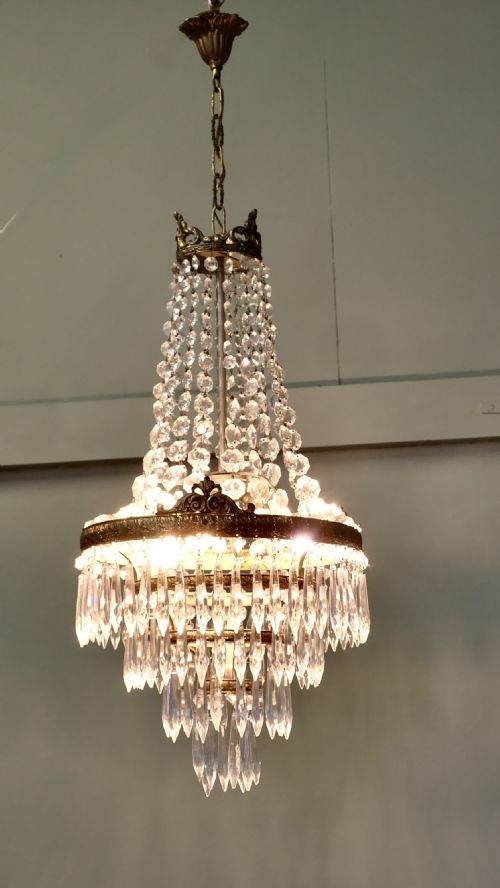
Traditional French Lighting
Traditional french lighting brings enduring warmth and formal elegance into a room through classical metalwork and glittering glass.
Traditional French Lighting
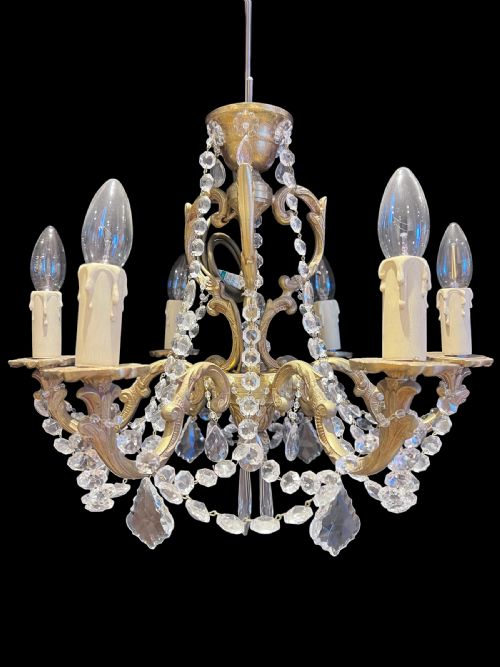
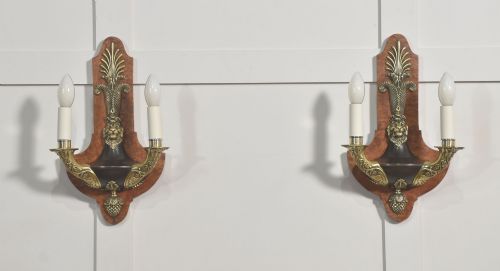
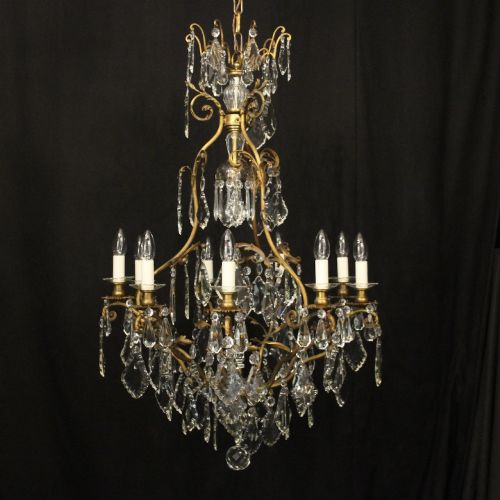
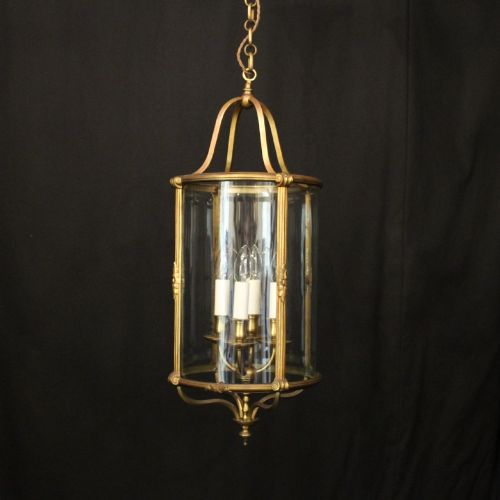
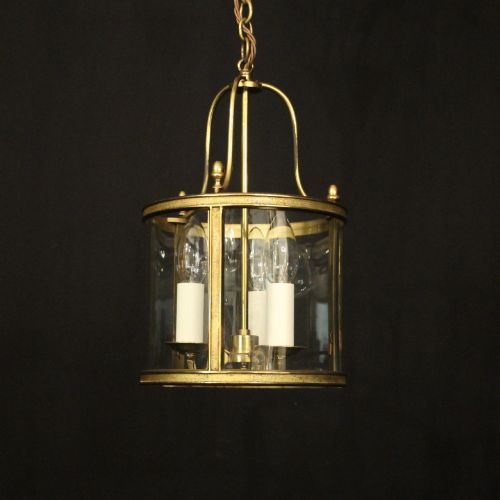
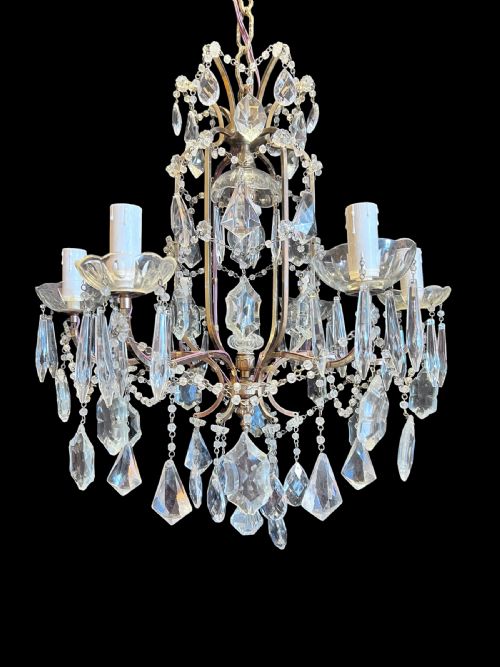
Traditional french lighting encompasses a rich selection of chandeliers, wall lights, hall lanterns, and lamps designed to illuminate interiors with distinct continental character. When searching for traditional french lighting, buyers encounter pieces primarily originating from the nineteenth and early twentieth centuries, spanning periods from Victorian and Edwardian eras up to the nineteen-thirties.
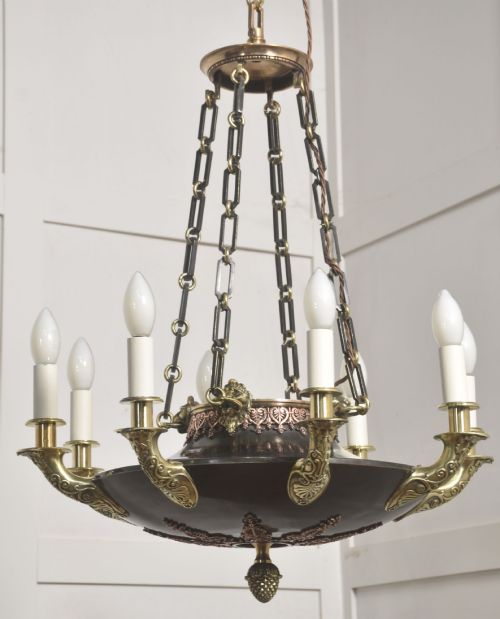
The assortment on offer centres heavily on overhead illumination, specifically multi-armed chandeliers and glazed hall lanterns, alongside occasional desk and floor lamps. Styles lean towards classic regional aesthetics, including French Chateau, Rococo, Empire, and Rustic Farmhouse designs.
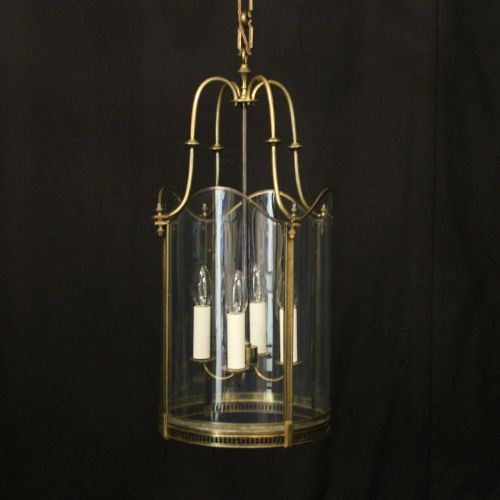
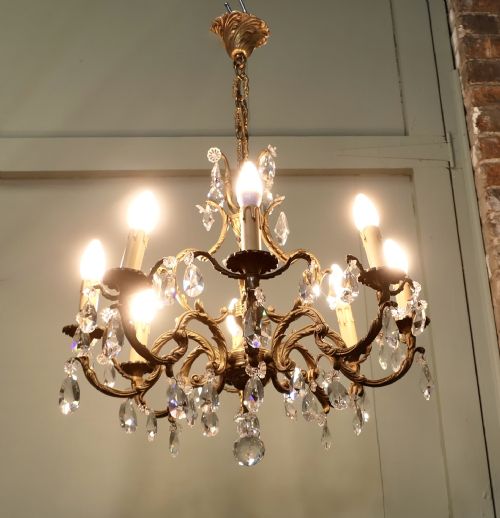
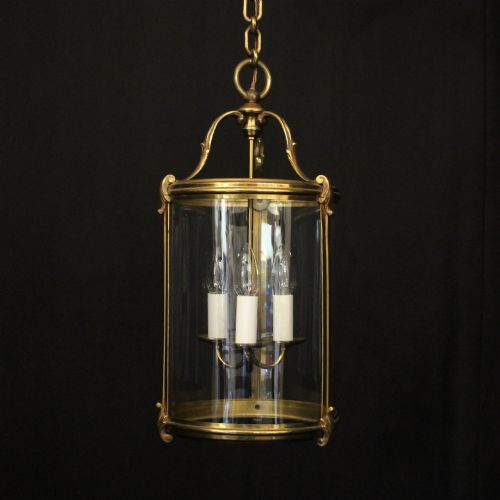
Common forms feature robust frames supporting numerous candle-style lights, designed originally for candles or later adapted for electricity. These fixtures range from intimate hall lanterns with triple lights to grand fourteen-arm tent chandeliers fit for ballrooms.
Materials and construction
The physical substance of traditional french lighting relies upon cast and spun metals paired with glass and crystal elements. Brass, gilt bronze, and gilded brass form the structural skeletons, often finished with applied silver or gold leaf to catch the ambient illumination.
Prisms, drops, and lustres are integrated using fine wire fastenings to refract light outward across the space. Glass lanterns utilise heavy convex panes held within metal frames, while bronze components provide the weight and dark patination seen in classical lighting types.
Some lanterns feature convex glass shaped like giant soap bubbles to distort and magnify the flicker of internal candlelight.
Assessing quality and finish
Quality in these lighting pieces reveals itself through the crispness of the metal casting and the depth of the gilding or patination. Finer examples display meticulous hand-chasing on bronze mounts and use high-lead crystal that produces sharp light refraction.
Construction methods also dictate grade, with superior items employing solid brass or bronze frames that securely bear the substantial weight of numerous crystal drops without flexing.
The Traditional French Lighting Glossary
- Chandelier
- A branched decorative ceiling fixture designed to hold multiple electric lamps or candles.
- Gilt Bronze
- Metal cast in bronze and treated with a gold leaf or mercury gilt finish.
- Hall Lantern
- An enclosed glass and metal fixture hung in entranceways to diffuse illumination.
- Crystal Lustre
- A cut glass pendant or drop hung from a chandelier to scatter light.
- Bouillotte Lamp
- An adjustable desk lamp featuring a central shade and multiple candle arms, originating in France.
Traditional French Lighting: Frequently Asked Questions
How do I choose the right size chandelier?
Selecting the correct scale depends upon the proportions of your room and ceiling height. Consider the diameter of the fixture relative to the floor space to ensure balanced placement.
Larger multi-arm chandeliers require substantial ceiling clearance, whereas compact hall lanterns suit modest entrance spaces.
Are these lights wired for modern electricity?
Many antique fixtures have been historically adapted to accept electrical wiring while retaining their external period appearance. Buyers should inspect the internal components to confirm current safety compliance.
Rewiring can typically be undertaken by a qualified electrician to suit domestic voltage requirements.
What is an empire style chandelier?
Empire style lighting draws upon classical antiquity, featuring symmetrical lines, urn motifs, and tent-and-waterfall configurations of crystal drops. These designs reflect the neoclassical taste prevalent in nineteenth-century France.
They often combine gilt brass frames with dense arrays of glass beads and spears.
How do I clean antique crystal?
Cleaning requires gentle handling of fragile glass drops and delicate metal mountings. A mild solution applied with a soft cloth preserves the original surface finish without removing gilding.
Individual prisms are often washed by hand while attached, or carefully removed for thorough cleaning.