


Traditional French Desk Lamp
A traditional french desk lamp brings warmth and character to a room, offering functional illumination through historic design.

Traditional French Desk Lamp
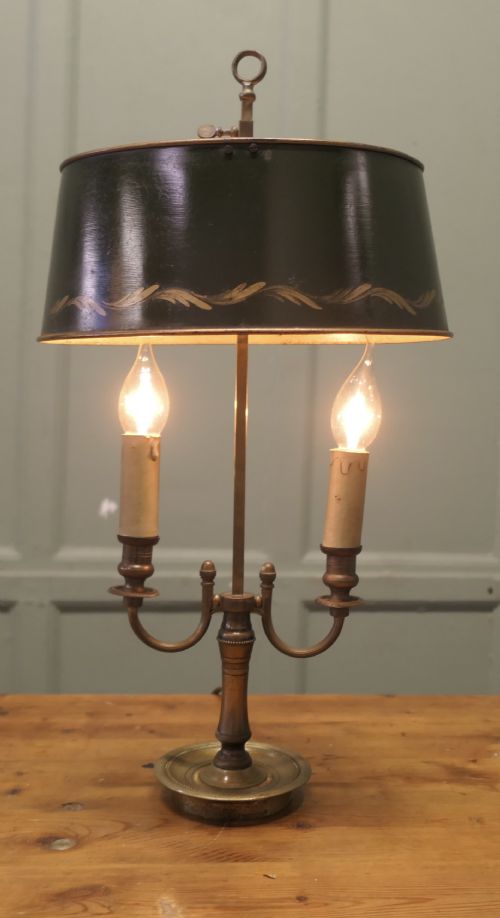
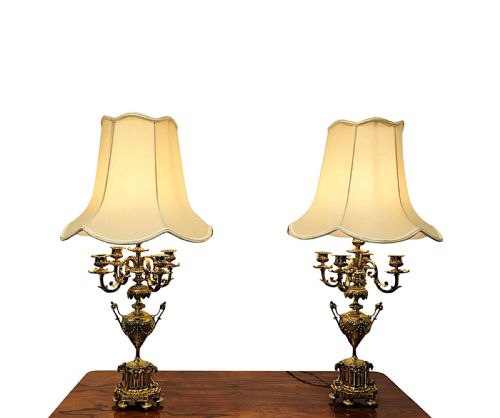
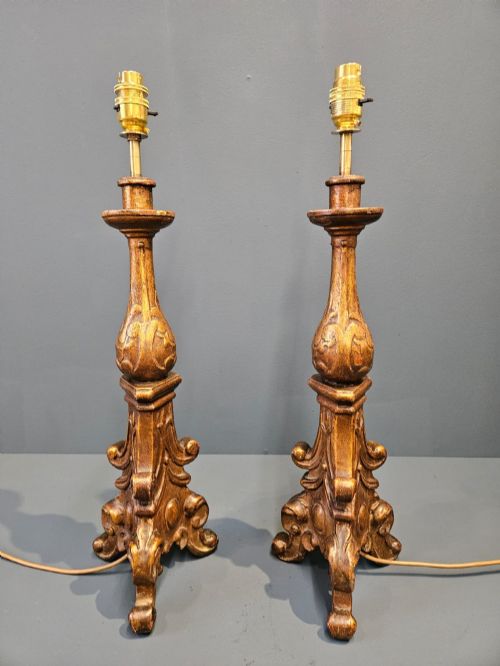
When searching for a traditional french desk lamp, buyers encounter pieces originating from the nineteenth and early twentieth centuries, spanning the Victorian era through to the 1930s. These items often take the form of bouillotte lamps, candlestick conversions, and adjustable task lighting.
The most common versions met on this page feature green or burgundy painted toleware shades paired with brass, bronze, or ormolu structures. Such designs frequently incorporate multiple candle arms or single-bulb configurations reflecting French Empire, Neoclassical, and Rococo styles.
Materials and Techniques
Metalworking forms the foundation of these pieces, utilising cast brass, bronze, gilt bronze, and ormolu alongside sheet metal toleware for adjustable shades. Artisans shaped, chased, and gilded these metals to achieve ornate surface finishes.
Complementary materials include marble bases, carved timber, giltwood, and fabric components. Many examples represent conversions from earlier lighting methods, adapting oil lamps and candelabra into electric fixtures.
Design influences span French Empire, Rococo Revival, Neoclassical, and Art Nouveau decorative movements.
Distinctions in Quality
Quality differentiates through the crispness of the metal chasing and the depth of the gilding or bronze patination. Finer examples display meticulous hand-finishing on cast elements and robust construction in adjustable shade mechanisms.
The choice of primary materials also signals tier, with solid ormolu and heavy marble bases sitting above simpler painted metal counterparts. Original toleware shades with intact hand-painted colour enrich the desirability of a piece.
Jean-Démosthène Dugourc
The Traditional French Desk Lamp Glossary
- Toleware
- Painted or lacquered sheet metal, frequently utilised for adjustable lamp shades in green or dark red hues. This technique provides durable colour decoration.
- Ormolu
- Gilded bronze achieved through a mercury-gilding process or similar application. It yields a rich golden surface characteristic of decorative French metalwork.
- Bouillotte lamp
- A shaded table or desk lamp featuring multiple candle arms arising from a central saucer base. It is traditionally associated with the card game of the same name.
- Candelabra conversion
- A lighting fixture originally constructed to hold candles that has been adapted for electricity. This process retains the sculptural form of the original candle branches.
Traditional French Desk Lamp: Frequently Asked Questions
What is a bouillotte lamp?
A bouillotte lamp is a traditional lighting fixture featuring a central column, candle arms, and a distinctive adjustable metal shade. It draws its name from an eighteenth-century card game.
These pieces typically sit upon a circular dish base designed to catch wax drips, though modern incarnations function with electrical wiring.
How do I date these lamps?
Dating relies on examining the manufacturing techniques, materials, and stylistic markers such as Empire, Rococo Revival, or Art Nouveau motifs. Nineteenth-century examples often display hand-chased bronze and heavy brass casting.
Twentieth-century pieces from the 1920s and 1930s incorporate simpler lines while retaining traditional French silhouettes and painted toleware elements.
Are converted lamps authentic?
Conversion refers to older oil lamps or candelabra adapted to hold electrical fittings. This practice is common for nineteenth-century lighting items.
Such pieces retain their original period bases and structure while accommodating modern domestic lighting needs.
Where should I place a desk lamp?
These lamps suit studies, libraries, and living spaces where focused illumination is required. Their adjustable shades allow direct control over the direction of light.
They function equally well as decorative accent pieces on sideboards or mantelpieces due to their sculptural brass and bronze forms.