


Traditional French Candle Chandelier
These traditional french candle chandelier options bring historical weight and layered illumination to a room, spanning styles from French Rococo to Victorian.
Traditional French Candle Chandelier
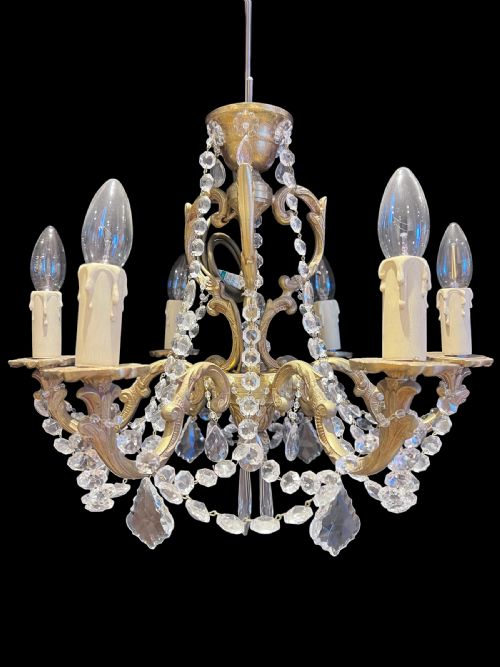
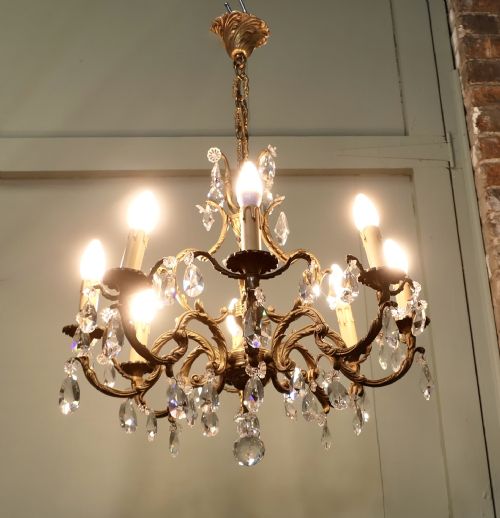
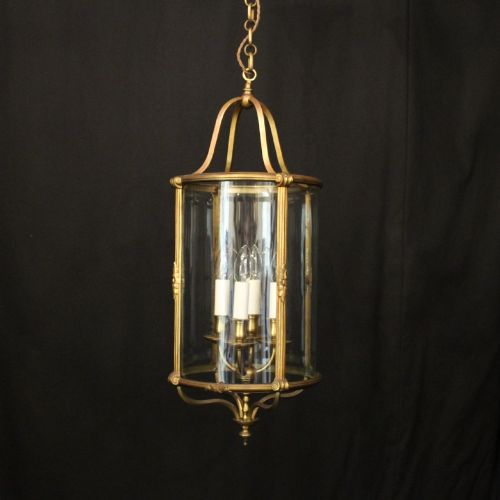
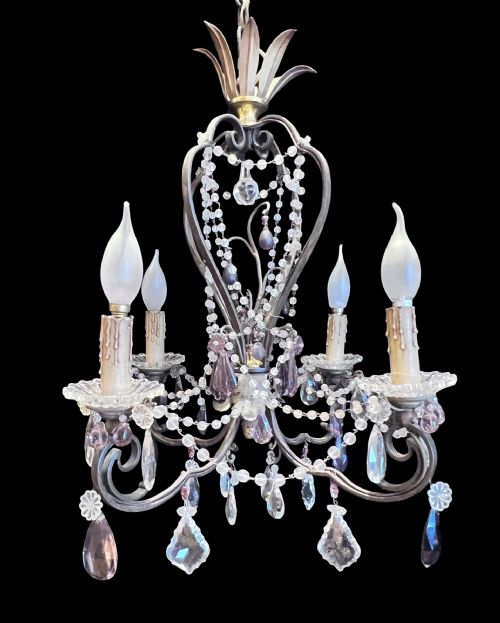
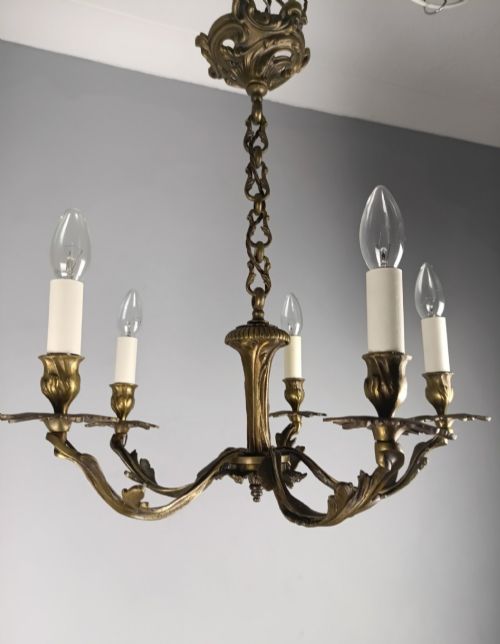
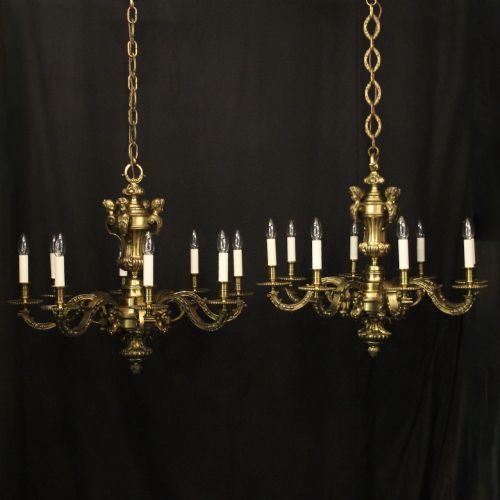
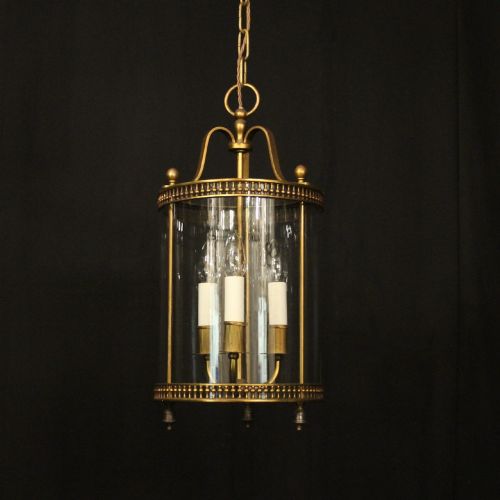
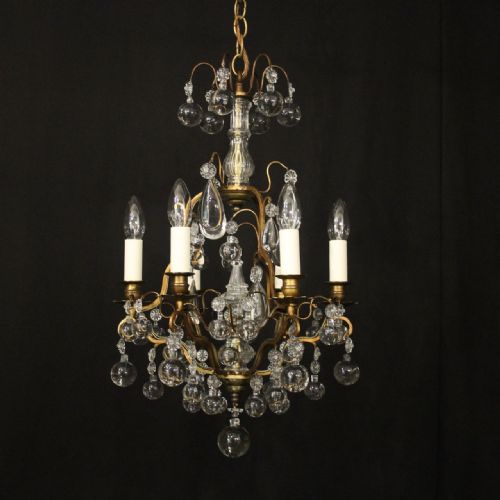
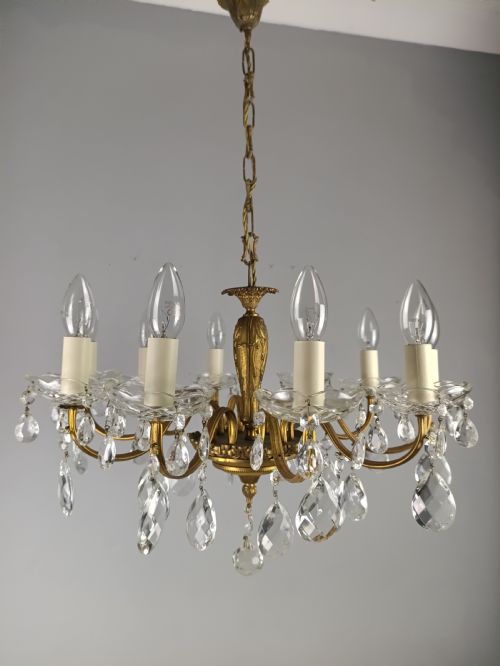
A traditional french candle chandelier is typically encountered as a multi-armed ceiling fixture designed to emulate historic candle illumination. The pieces on this page draw from periods such as the nineteenth century, Edwardian era, and the early decades of the twentieth century, predominantly manifesting in forms like chandeliers, hanging lanterns, and hall lanterns.
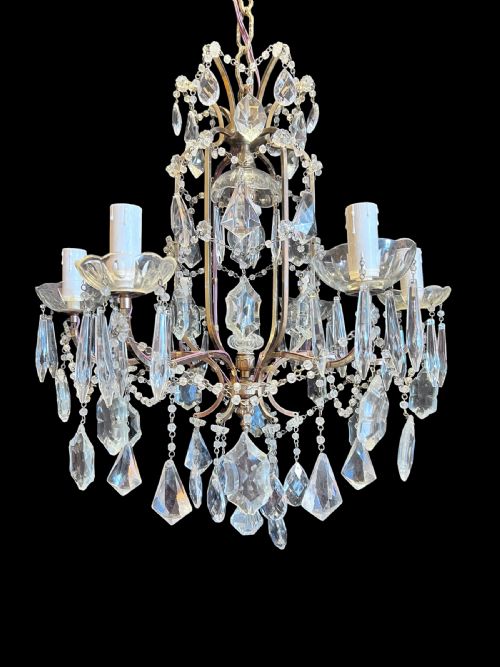
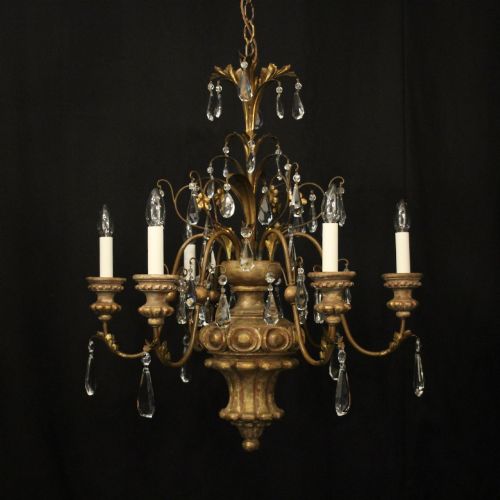
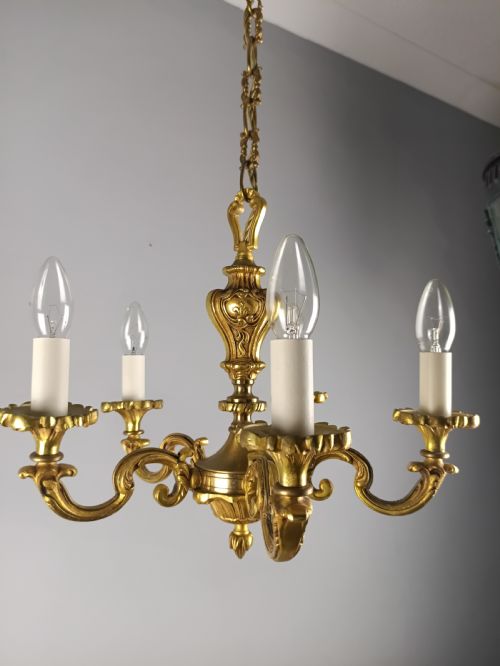
The aesthetic vocabulary encompasses French Chateau, French Neoclassical, French Rococo, and Italian Florentine styles. Buyers will frequently encounter brass, bronze, and gilt-finished metals paired with glass or crystal elements to catch and refract the light.
Many examples utilise multiple light points ranging from compact four-light configurations up to expansive double-tiered arrangements carrying sixteen or twenty-four lights. These fixtures serve as central overhead statements in high-ceilinged rooms, combining structural metalwork with decorative drops.
Materials and construction methods
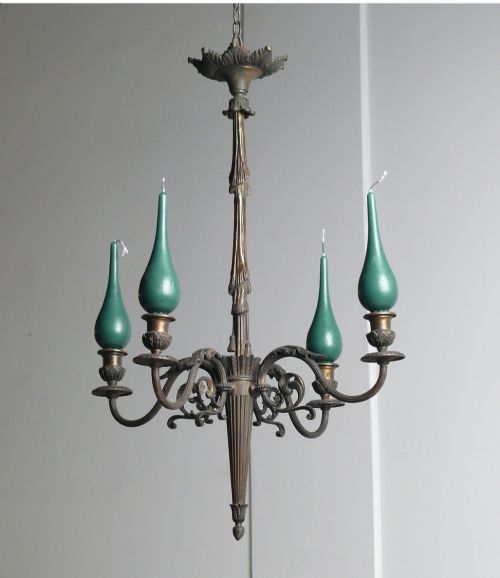
Metalwork forms the skeletal backbone of these pieces, utilising cast brass, dark bronze, gilt bronze, and wrought iron. Artisans shaped, chased, and gilded these metals to create ornate arms, scrollwork, and ceiling canopies.
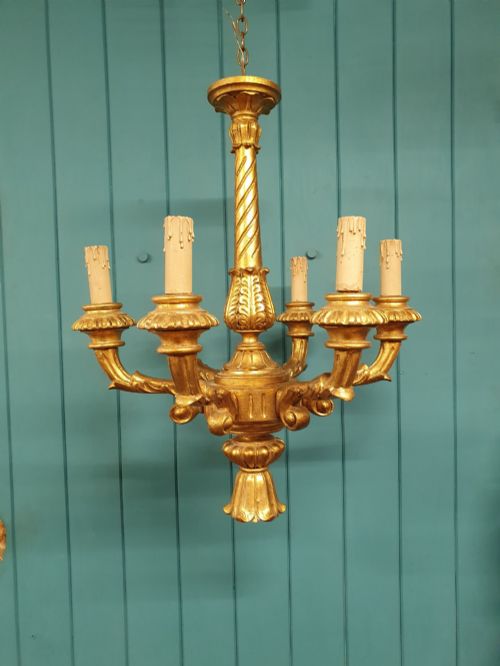
Glass and crystal components are integrated extensively through moulded lustres, bevelled glass panes, and suspended teardrops. Gesso and giltwood also appear, providing a carved wooden substrate for gold leaf application in specific Florentine and Victorian iterations.
The listings span several decades of European lighting manufacture, featuring materials from raw wrought iron and dark bronze to opulent gilt brass and bohemian crystal.
Distinguishing quality across pieces
The sophistication of the metal casting and the depth of the chasing dictate much of the visual hierarchy. Finer examples display crisp detail in foliage, scrollwork, and figural mounts rather than soft, smoothed edges resulting from worn moulds.
The integration and clarity of the crystal or glass elements also set tiers apart, with cut crystal drops offering superior light refraction compared to plain moulded glass. Heavier gauges of brass and solid bronze frames provide structural integrity that lighter stamped metal frameworks lack.
The Traditional French Candle Chandelier Glossary
- Gilt Bronze
- Bronze metal that has been coated with a thin layer of gold or gold leaf, also known as ormolu. This finish provides a warm, reflective surface that resists tarnishing.
- Lustre
- A cut glass or crystal pendant hung from a chandelier to refract and multiply the light. These drops catch illumination from the simulated candles.
- Hall Lantern
- An enclosed ceiling fixture designed specifically for entryways and corridors. They frequently feature glass panels held within a brass, bronze, or iron frame.
- Gesso
- A plaster-based mixture applied to a wooden surface to prepare it for gilding or painting. It allows craftsmen to carve intricate relief details before applying gold leaf.
- Double Tiered
- A chandelier structure featuring two distinct vertical levels of light arms. This arrangement scales up the visual impact for large spaces.
Traditional French Candle Chandelier: Frequently Asked Questions
How do I hang a heavy chandelier safely?
These fixtures often involve substantial weights of cast bronze, brass, and crystal components. Professional installation into structural ceiling timbers or concrete joists is essential to support the load safely.
Electrical wiring must also be evaluated by a qualified electrician to ensure the internal components meet modern safety standards while retaining the original exterior appearance.
What rooms suit a large multi-light chandelier?
Expansive multi-armed fixtures with twelve or twenty-four lights require generous ceiling heights and floor space to balance their visual volume. They find natural placement in principal reception rooms, high-ceilinged dining halls, and grand entrance foyers.
Smaller four to six-light variants or hall lanterns suit more intimate spaces, stairwells, or narrower corridors without overwhelming the room scale.
How do I clean crystal and brass safely?
Routine maintenance involves gentle dusting with a soft, dry cloth to prevent particulate buildup on the metal surfaces and crystal drops. Avoid harsh chemical cleaners that can strip gilt finishes or damage historic patina.
For thorough cleaning, delicate crystal lustres can be unhooked and washed individually in lukewarm water with mild soap before being dried and rehung.
How do I distinguish Rococo from Neoclassical styles?
Rococo designs emphasise asymmetrical scrolls, organic leaf motifs, and exuberant, flowing curves that mimic natural forms. They project dynamic movement and elaborate ornamentation.
Neoclassical pieces rely on symmetry, classical architectural motifs, straight lines, and geometric balance, drawing inspiration from ancient Greek and Roman art.