




French Provincial Light Fixture
These french provincial light fixture examples bring genuine continental character to a room, ranging from robust wrought iron frames to delicate gilded glass designs.
French Provincial Light Fixture
When you search for a french provincial light fixture, you encounter a selection of period chandeliers, wall sconces, and ceiling lanterns spanning the late nineteenth and early twentieth centuries. The examples here include pieces from the Edwardian era, the 1930s, and the broader nineteenth century, reflecting classic continental interior styles.
Makers and designers from the period utilised distinctive regional motifs, incorporating birdcage frames, dark bronze structures, and polychrome finishes. Whether you select a heavy brass multi-tiered tier or a simple wrought iron framework, each item serves as a functional focal point drawn from historic French domestic architecture.
How They Were Made
The construction of these pieces relies on traditional metalworking techniques, combining cast brass, dark bronze, and hand-forged wrought iron to form rigid structural frames. Artisans applied surface decoration through silver gilding, giltwood accents, and polychrome painted finishes directly onto the metal or wooden components.
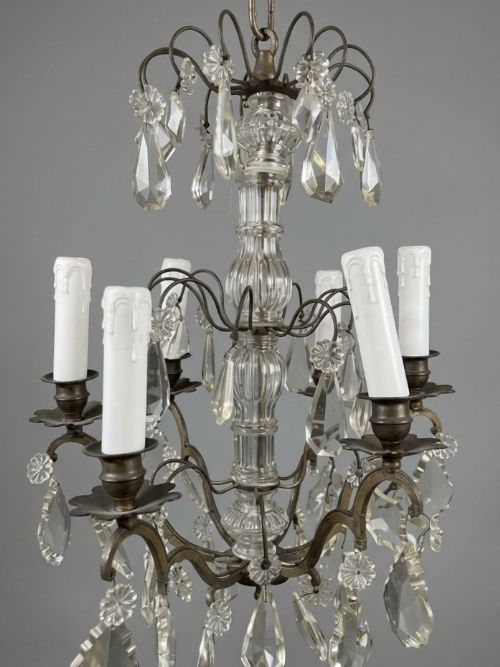
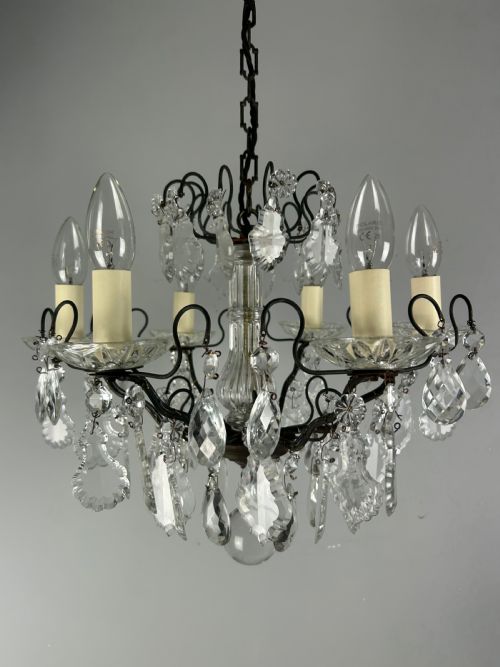
Glass elements form a vital part of the construction, featuring cut glass drops, coloured crystal teardrops, and leaded glass panels fitted into cage designs. These transparent and reflective components were wired into multi-arm configurations to maximise the spread of candlelight or early electric illumination.
Listings in this category feature pieces dated across the nineteenth century, the Edwardian period, and specific years including 1880, 1900, 1910, 1920, and 1930.
What Varies in Quality
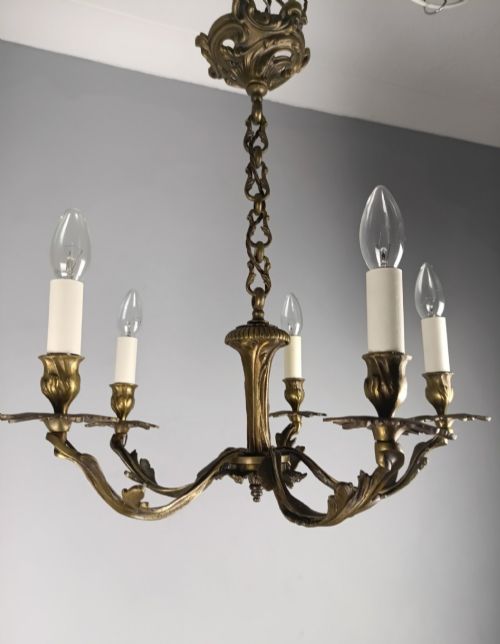
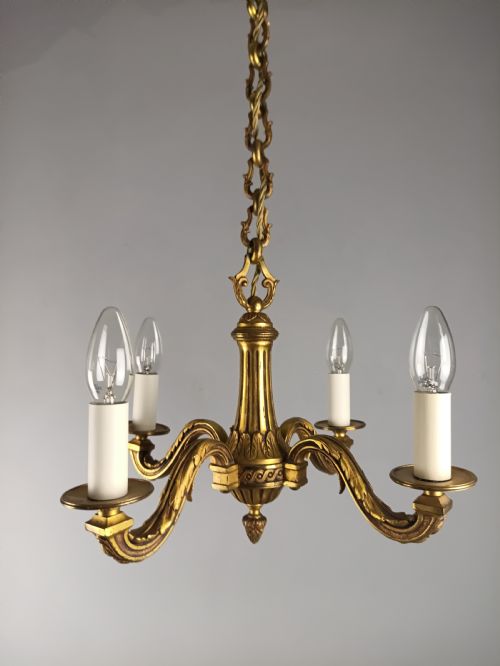
The distinction between tiers rests upon the weight of the metal and the complexity of the cast ornamentation, where substantial bronze or heavy brass frames display crisper botanical and scroll details than lighter stamped alternatives. Hand-applied gilding and polychrome work show greater depth on finer pieces, with layered finishes that resist flat or uniform appearances.
Intricacy in glass components marks another divergence in standard, distinguishing simple pressed glass drops from deeply cut crystal teardrops that refract light with sharper clarity. The structural integration of multi-tiered arms and secure cage assemblies indicates the original ambition of the workshop, separating standard domestic lighting from grander chateau commissions.
The French Provincial Light Fixture Glossary
- Chandelier
- A branched ceiling-mounted lighting fixture designed to hold multiple bulbs or candles. These large centrepieces often feature arms arranged in single or double tiers.
- Toleware
- Painted or lacquered metalware, commonly tin or iron, decorated with polychrome designs. This technique adds vibrant colour and pattern to lantern bodies and brackets.
- Crystal Teardrop
- A faceted glass pendant hung from a lighting fixture to refract light. These decorative drops add sparkle and movement to the lower tiers of a chandelier.
French Provincial Light Fixture: Frequently Asked Questions
How do I hang a heavy brass chandelier safely?
Suspension of large multi-light fixtures requires securing the hanging chain directly into a ceiling joist or structural timber using a rated ceiling hook. Professional electricians should check that the electrical box and wiring can support the combined weight of the metal frame and glass components.
Lowering the fixture to the correct height above a dining table or hallway floor ensures proper proportions within the room. Ensure the weight rests entirely on the metal chain rather than the electrical supply cord.
What periods do these French light fixtures represent?
The lighting options displayed here primarily date from the late nineteenth century through to the 1930s, encompassing Edwardian examples and pieces from the 1900s. Design influences draw heavily on earlier French Chateau, Rococo, and Louis XVI styles.
Distinguishing between these eras involves examining the casting methods, the patination of the bronze or brass, and the cut of the crystal drops. Earlier nineteenth-century pieces often display heavier double-tiered brass construction, while 1930s items may feature lighter wrought iron or painted toleware finishes.
Can I use modern LED bulbs in these fixtures?
Standard LED bulbs fit most vintage sockets provided the base size and wattage limits align with the original fittings. Selecting low-heat LED alternatives helps protect antique glass components and delicate painted surfaces from thermal stress.
Warm white light output replicates the soft glow of traditional carbon filament bulbs or candles. Have a qualified electrician inspect the internal wiring of older fixtures before installing new bulbs.
How do I clean cut glass and crystal drops?
Maintenance of glass components involves wiping each piece gently with a lint-free cloth dampened in a mild solution of warm water and gentle dish soap. Leaving delicate crystals attached to the frame allows for careful in-situ cleaning without risking damage to the wiring.
Avoid harsh chemical cleaners that can strip antique gilding or discolour brass frames. Dry each drop thoroughly after washing to prevent water spots and maintain maximum light refraction.