



Traditional French Buffet
These traditional french buffet pieces combine robust regional utility with centuries of continental design, offering both practical storage and striking historic presence.
Traditional French Buffet
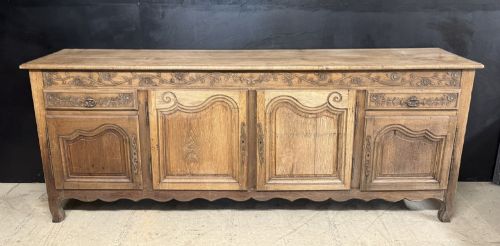
When you search for a traditional french buffet, you encounter substantial storage furniture and related dining pieces originating from continental workshops. The selection on this page ranges from robust nineteenth-century oak sideboards and enfilades to eighteenth-century walnut and fruitwood examples.
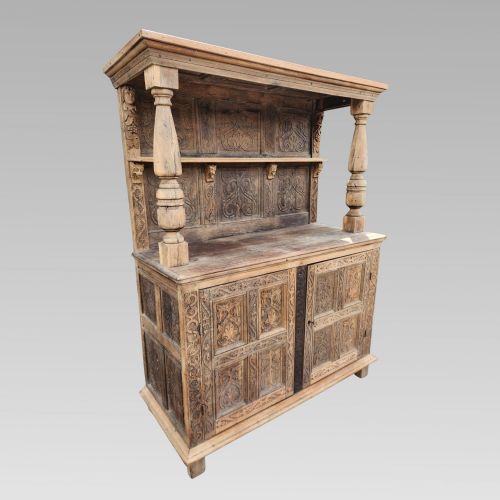
The primary forms include large multi-door enfilades, panelled dresser bases, and tall inlaid fruitwood dressers. These items served historically for storing dining provisions and displaying household plate within provincial chateaux and homes.
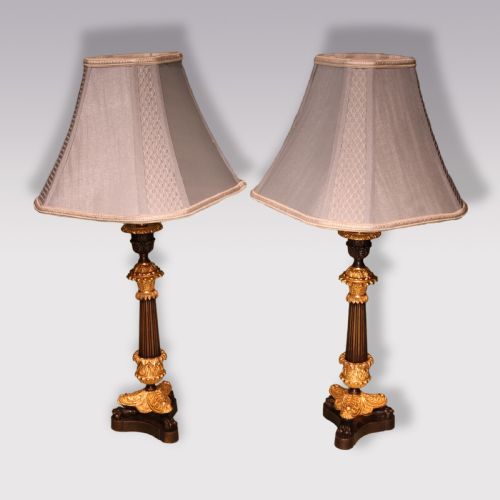
Alongside major case furniture, the evidence spans related continental decorative items from the same periods, including carved giltwood and bronze lamps. Oak, walnut, and cherrywood dominate the larger sideboards, establishing a distinctly architectural presence.
How they were made
Cabinetmakers constructed these sideboards using solid regional timbers such as oak, walnut, cherrywood, and chestnut, often enhanced with delicate fruitwood inlay. Structural integrity relied on traditional joinery, heavy panelled construction, and durable framing designed to endure decades of domestic service.
Metalwork played a crucial structural and decorative role, incorporating iron, brass, wrought iron, and fire-gilded ormolu mounts. Bronze components and elaborate carved giltwood details reflect the high craftsmanship of continental workshops across the eighteenth and nineteenth centuries.
Traditional French Buffet Retail Price Guide 2026
Typical asking prices for traditional french buffet among the pieces listed under this phrase on Sellingantiques today, from the lower quarter to the upper quarter. They describe what is for sale here now, not the wider market.
What varies in quality
The standard of a traditional french buffet rests upon the choice of timber and the sophistication of its surface grain, patination, and colour. Finer examples display carefully selected solid hardwoods, articulate hand-carving, and well-preserved original hardware rather than utilitarian replacement fittings.
Construction depth also distinguishes the range, seen in the precision of panelled door assemblies, drawer dovetailing, and the refinement of applied bronze or ormolu mounts. Pieces retaining their original fruitwood inlay or untouched surface patina represent the upper tier of the tradition.
The Traditional French Buffet Glossary
- Enfilade
- A long sideboard or buffet featuring three or more doors in a continuous line, traditionally used in large dining rooms for serving food.
- Ormolu
- Finely ground high-carat gold-mercury amalgam applied to a bronze base, frequently used for decorative mounts on finer nineteenth-century pieces.
- Dresser Base
- The lower, cupboard-and-drawer section of a traditional dresser, built as a standalone sideboard without upper shelving.
- Fruitwood
- Dense timber derived from fruit-bearing trees such as pear, apple, or cherry, prized for smooth grain and utilised for detailed inlay work.
Traditional French Buffet: Frequently Asked Questions
What is an enfilade sideboard?
An enfilade is a long, low sideboard featuring multiple doors arranged in a straight line across the front. It was traditionally designed to hold dining room linen, silver, and serving dishes.
In historic French homes, these substantial pieces anchored the dining space and provided a wide surface for serving food during large gatherings.
How do I care for antique oak furniture?
Antique oak furniture benefits from a stable indoor environment away from direct heat sources and strong sunlight, which can dry out the timber. Regular dusting with a soft, dry cloth preserves the finish.
Applying a traditional beeswax polish occasionally helps nourish the wood and maintain the natural patina built up over centuries of use.
Where were these buffets made?
These pieces originated in various regions of France, encompassing both provincial workshops and urban cabinetmaking centres. Provincial makers utilised locally available timbers like oak, walnut, and cherry.
Stylistic influences span from rural French Provincial traditions to formal Louis XVI and Neoclassical court designs, depending on the maker's location.
How can I date a wooden sideboard?
Dating a sideboard involves examining construction methods, tool marks, timber selection, and hardware style. Hand-cut dovetails and pegged joints generally point to earlier periods.
Stylistic cues such as carved panels, inlay techniques, and ormolu mounts also provide clear indicators of whether a piece dates to the eighteenth or nineteenth century.