
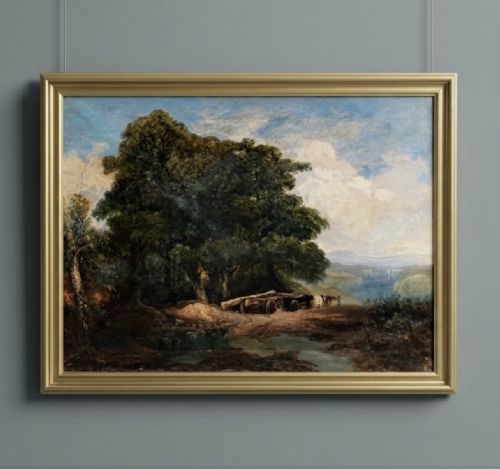
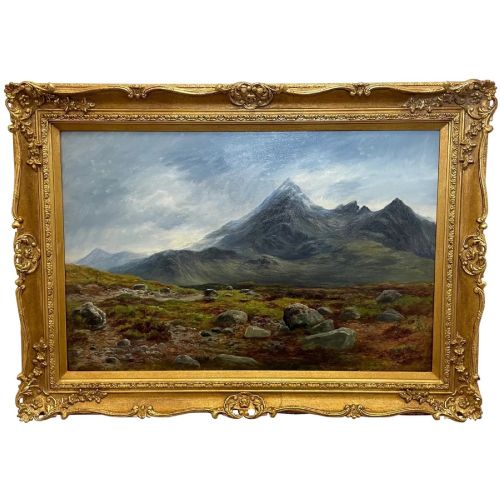

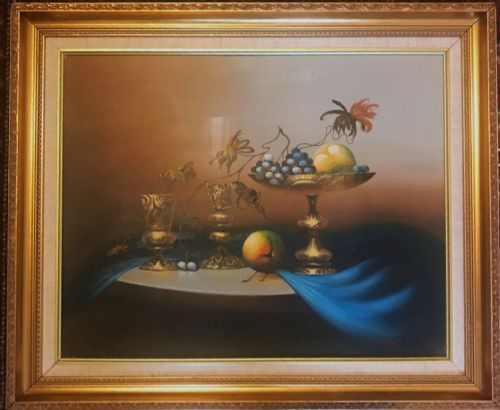
Traditional Framed Painting
Traditional framed painting works best when a canvas or panel brings period depth straight to a wall through oil paint and gilt wood.
Traditional Framed Painting
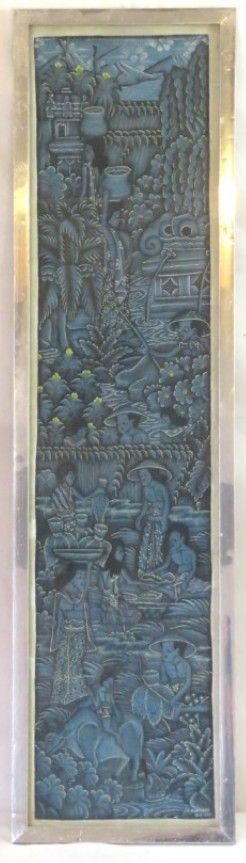
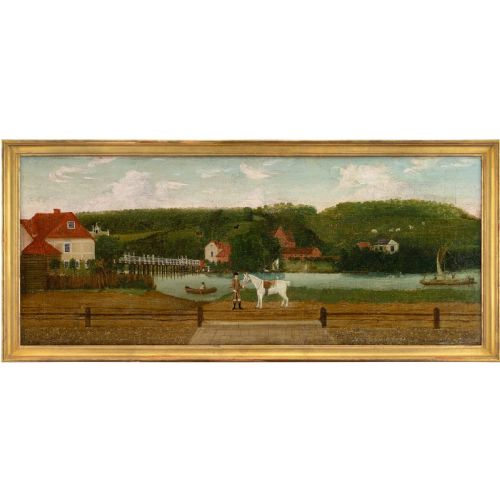
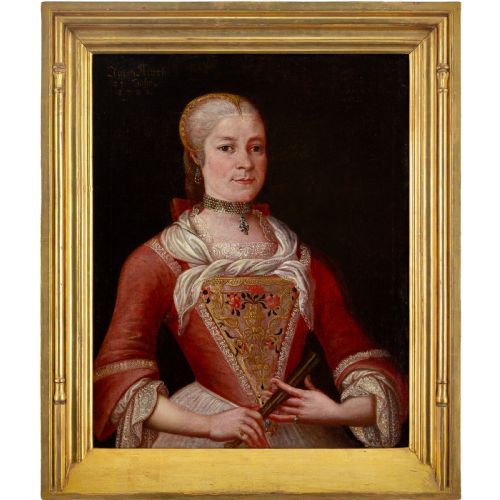
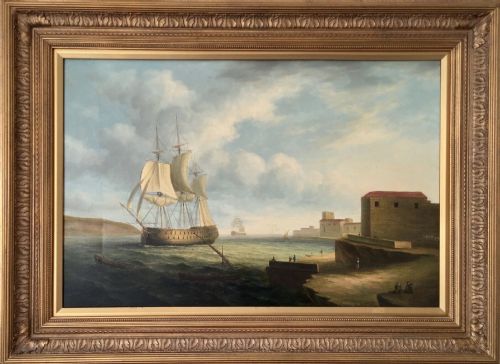
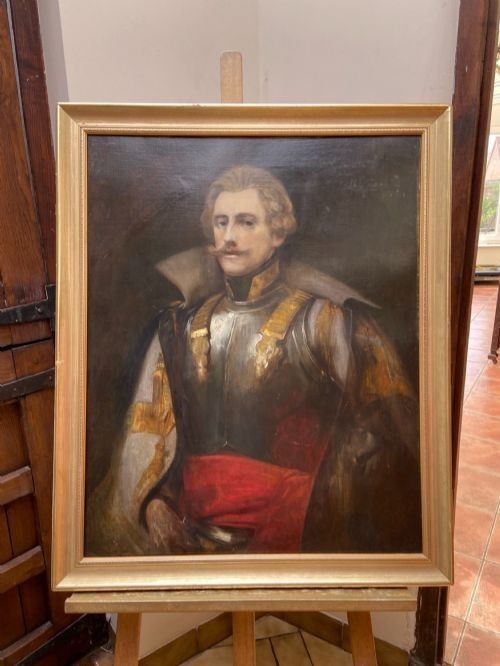
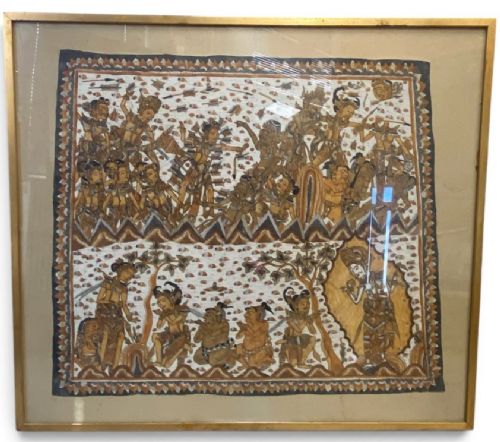
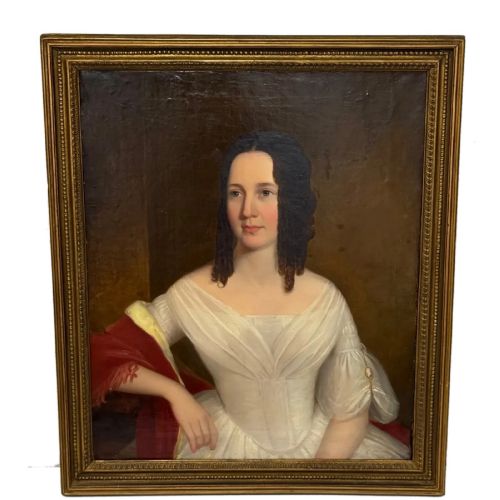
A traditional framed painting brings historical portraiture, landscape, and marine subjects into domestic spaces through works created across the eighteenth, nineteenth, and early twentieth centuries.
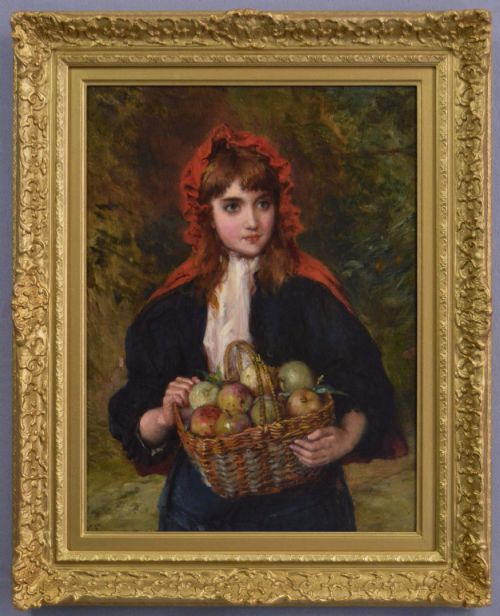
The version most commonly met on this page is the nineteenth-century oil painting on canvas or panel, housed within its original or period-matched giltwood frame.
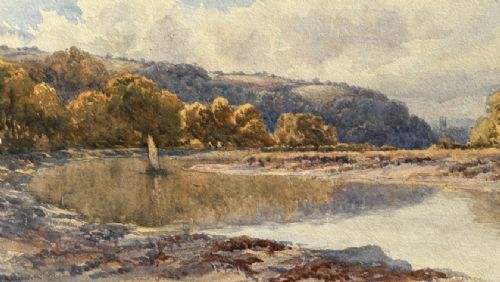
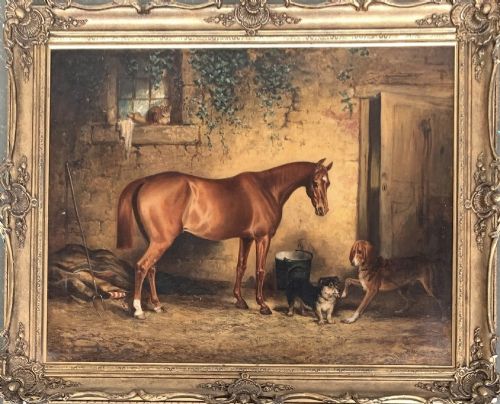
Subjects range from British and European rural landscapes to detailed equine studies and classical portraiture by regional schools.
Materials and construction
Pigments suspended in oil paint were applied to stretched canvas, wooden panels, or occasionally card and board, allowing for deep tonal blending and lasting colour stability.
Frames were constructed from wood and finished with carved or moulded gesso, then overlaid with leaf gilt or gold leaf to catch ambient light and define the edge of the artwork.
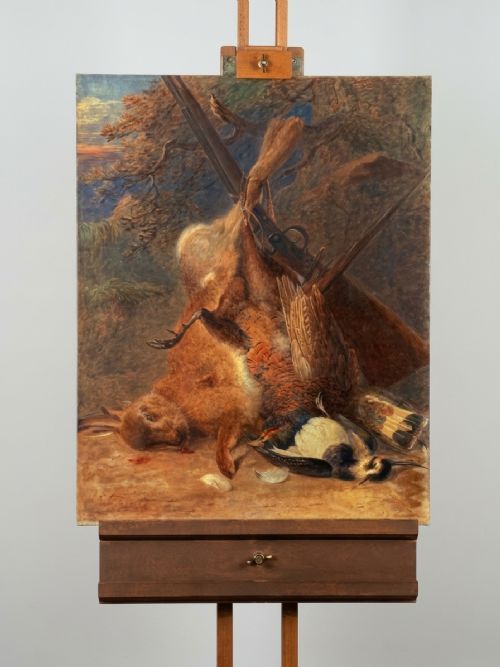
Several canvases capture domestic animals behaving badly, from racing pigeons to kittens investigating snails.
Assessing quality
The standard of a traditional framed painting rests on the confidence of the brushwork, the anatomical or spatial accuracy of the composition, and the condition of the pigment layer.
Frame construction also dictates overall value, where hand-carved ornamentation and original gilding hold greater artistic harmony with the canvas than later replacements.
Henry Barraud·Richard Sebastian Bond·William Beattie Brown·Alfred Fontville de Breanski Jr·George Sydney Shepherd
The Traditional Framed Painting Glossary
- Giltwood
- Wood carved and coated with gold leaf or metal leaf. This finish creates the bright, reflective borders typical of period frames.
- Oil on Canvas
- Pigment mixed with drying oil applied to a woven fabric support. This combination allows for rich textures and gradual shading.
- Panel Painting
- Artwork executed on a flat piece of wood rather than fabric. Panels provide a rigid surface favoured in earlier European schools.
- Watercolour
- Pigment ground in a water-soluble binder and applied to paper. These works offer translucent washes and delicate detail.
- Provenance
- The documented history of ownership of an artwork. Tracing this record confirms authenticity and past exhibitions.
Traditional Framed Painting: Frequently Asked Questions
How do I date a traditional framed painting?
Dating relies on examining the stretcher frames, canvas type, nail construction at the reverse, and the chemical composition of the pigments used by the artist.
Stilistic clues in clothing, hairstyles, and framing techniques further narrow down whether a piece belongs to the Georgian, Victorian, or Edwardian eras.
Should the frame match the painting's age?
Ideally, the frame is contemporary with the artwork, sharing the same period aesthetic and signs of natural ageing. Many collectors value original pairings because the maker designed the border to complement the palette of the canvas.
How do I care for an antique oil painting?
Keep the artwork away from direct sunlight, high humidity, and rapid temperature fluctuations to prevent the canvas from sagging and the oil paint from cracking.
Dust the surface gently with a soft, dry brush and avoid using any chemical cleaners or water on either the canvas or the gilt frame.
What is the difference between canvas and panel works?
Canvas provides flexibility and is suited for larger compositions, whereas wood panels offer a rigid, smooth ground often found in earlier portraiture and Flemish-style works.
Both supports require different conservation approaches, particularly regarding how they react to environmental moisture changes.