
Traditional Framed Oil Landscape
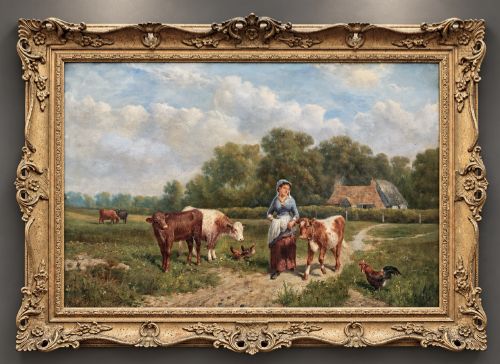
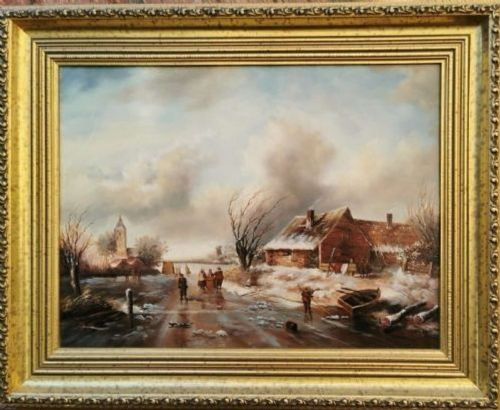
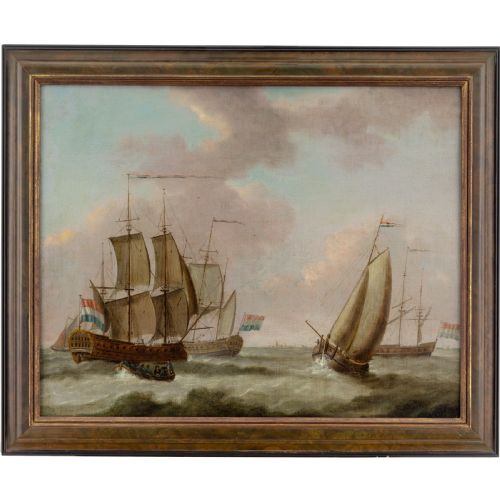
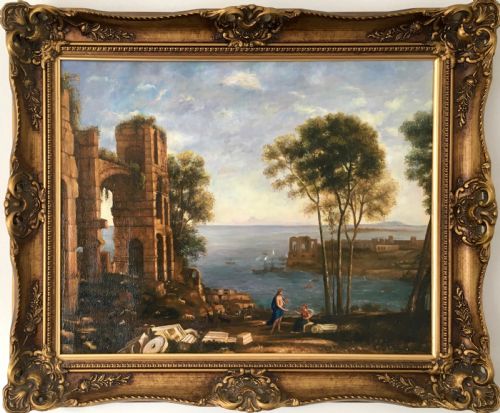
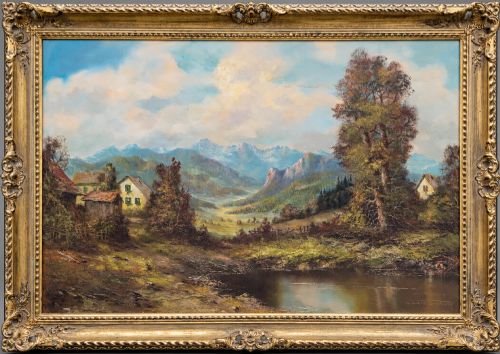
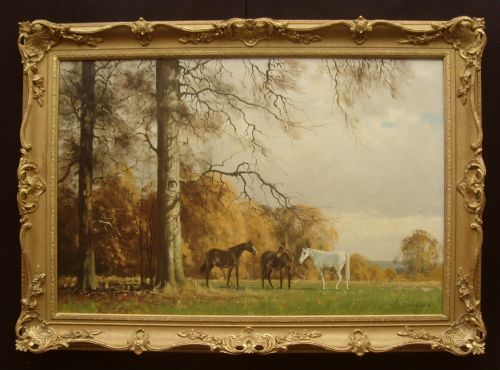
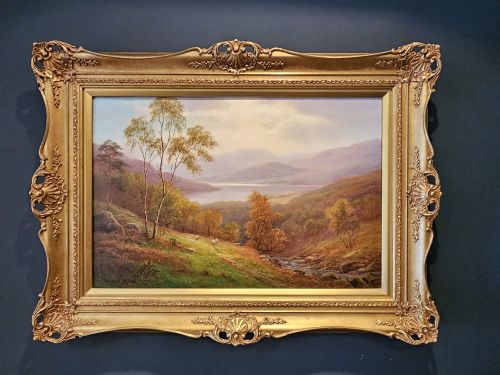
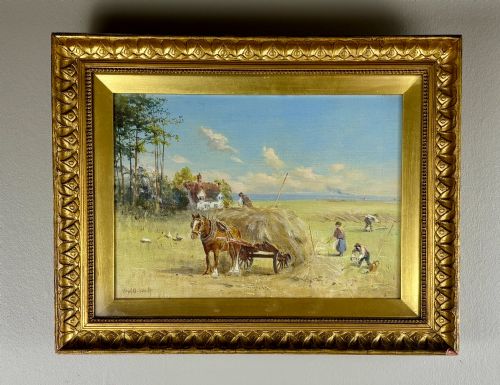
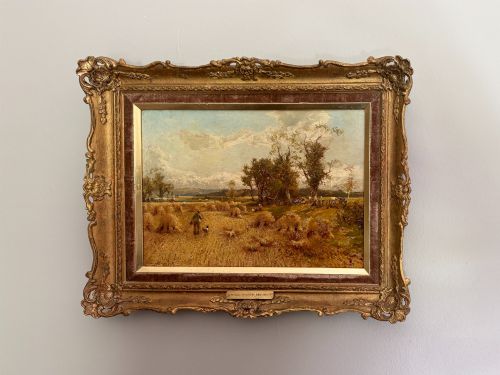
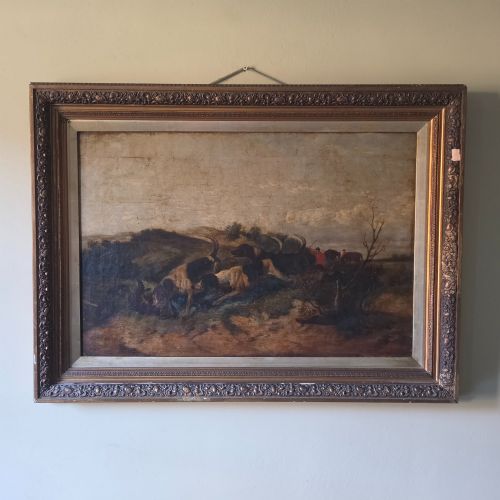
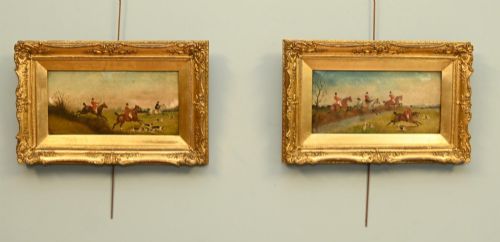
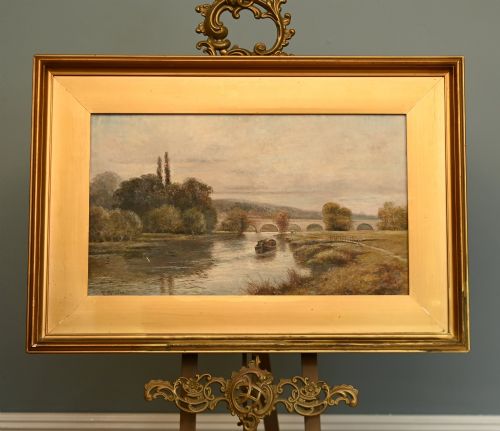
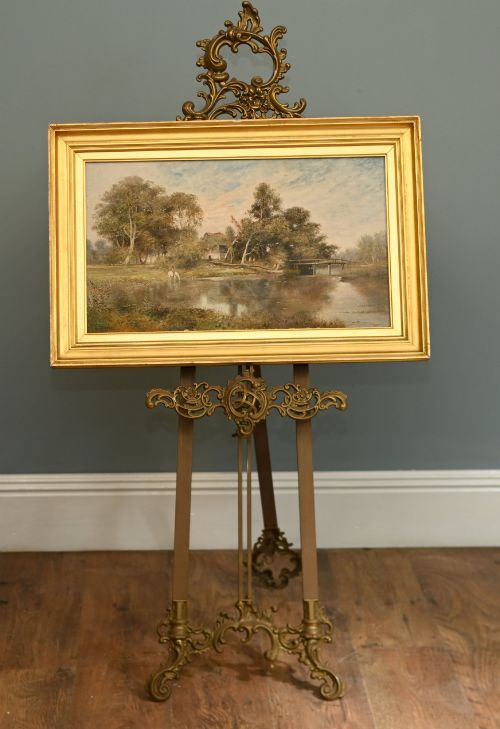
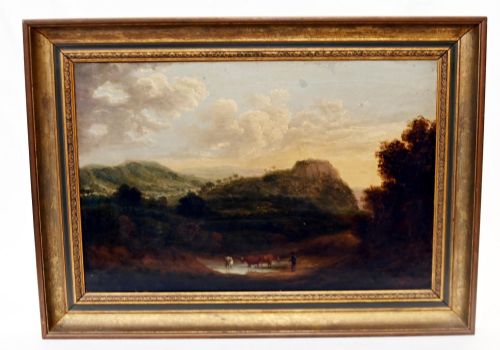
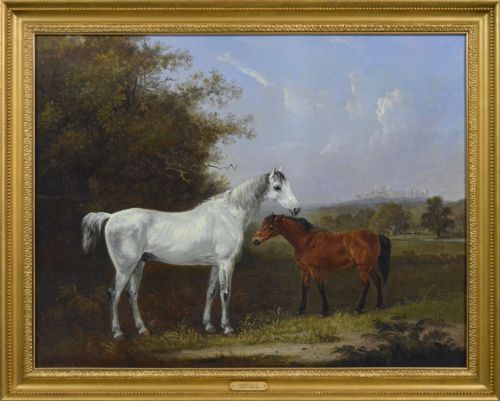
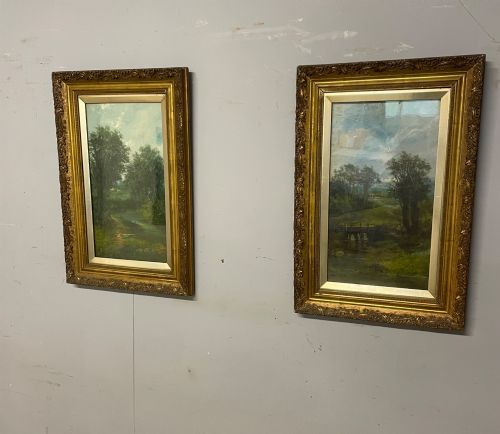
These traditional framed oil landscape works capture pastoral views and coastal scenes in pigment and canvas, offering a direct window into historical rural life.
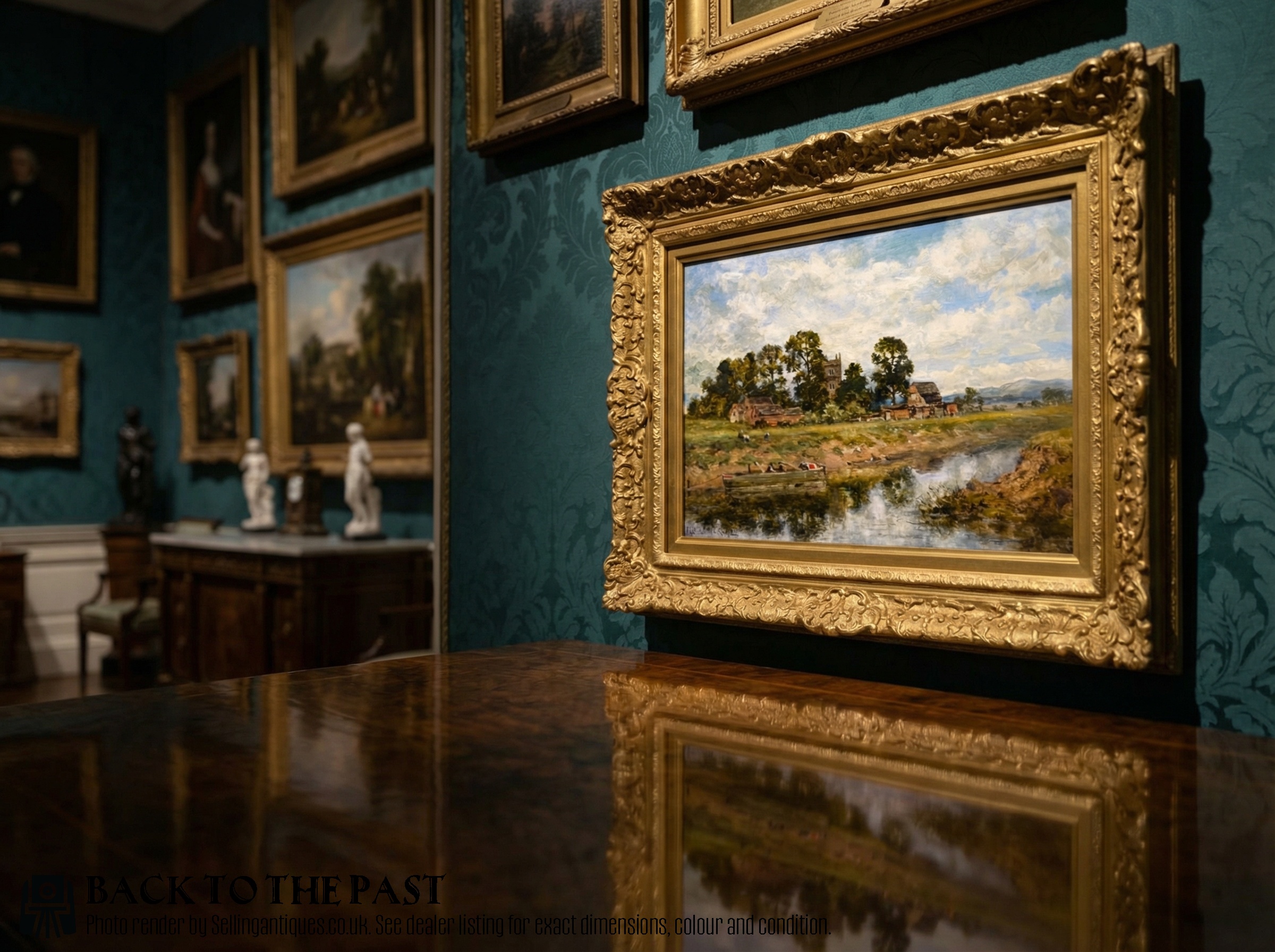
Traditional Framed Oil Landscape
A traditional framed oil landscape brings historical countryside, woodland, and marine views into a room, typically housed within moulded timber or gilded surrounds. The selection spans nineteenth-century romantic and realist visions through to early twentieth-century British and continental interpretations.
Buyers encounter pastoral subjects featuring cattle, figures near cottages, harvest fields, and coastal harbours set onto canvas, panel, or board. These works reflect the enduring appeal of natural scenery rendered in traditional oil techniques across the Victorian and Edwardian eras.
Materials and construction methods
Painters applied oil paint onto stretched canvas, wooden panels, or prepared boards, building up layers of pigment to achieve depth in foliage, water, and skies. Canvas supports allowed for large-scale compositions, whilst panels provided a rigid surface for finer, detailed brushwork.
The frames accompanying these paintings consist of wood, often finished with gesso and gilt to create ornate decorative borders. These surrounds protect the edges of the canvas or panel while framing the pictorial space.
Listings feature works spanning the nineteenth century through the 1960s, executed in oil on canvas, wood panel, and board.
Distinctions in execution and condition
Quality rests in the handling of light, atmospheric depth, and the anatomical precision of figures and livestock within the composition. Masterful brushwork creates convincing textures in foliage, water, and clouds, distinguishing accomplished artists from routine studio production.
The integrity of the original canvas, stability of the paint layer, and the preservation of the matching period frame influence the overall standard of the piece. Subtle details in the rendering of distance and shadow separate finer works from simpler regional examples.
Richard Sebastian Bond·William Beattie-Brown·William H Myers·George Graham·W Klombeck·William Howard Hardy·John Horace Hooper·Reginald Arthur Borstel·William Joseph Shayer Senior·Alfred Fontville de Breanski Jr·Edward Mills·George Houston·Thomas Barker of Bath·Thomas W Lascelles·David Bates·Thomas Smythe·Robert John Hammond·Walter Heath Williams·Thomas Creswick·Thomas Sidney Cooper·John Sargent Noble·Henry H Parker·Robert Watson·George Wright
The Traditional Framed Oil Landscape Glossary
- Oil on Canvas
- A painting medium where pigments suspended in drying oils are applied to a woven fabric stretched across a wooden frame. This combination allows for rich colour blending and textured brushwork.
- Giltwood
- Wood that has been coated with a thin layer of gold leaf or gilt powder. It is frequently carved into decorative mouldings for picture frames.
- Gesso
- A plaster-like mixture used as a base coat on wood or canvas before painting or gilding. It provides a smooth surface for finishing details.
- Panel Painting
- An artwork executed on a flat piece of wood rather than fabric. This method was favoured for its rigid surface supporting meticulous detail.
Traditional Framed Oil Landscape: Frequently Asked Questions
How do I date an oil landscape?
Dating relies on stylistic clues, framing methods, and stretcher construction. Canvas types and written inscriptions on the reverse also offer chronological markers.
Comparison with documented works by known painters helps narrow the decade of creation.
Are these paintings cleaned?
Many historical artworks undergo professional conservation to remove accumulated surface dirt and yellowed varnish. This process restores the original vibrancy of the pigment.
Uncleaned works display darker tones due to aged surface coatings.
How should I hang a framed oil painting?
Secure fixings matched to the weight of the timber and gesso frame are essential. Wall placement should avoid direct sunlight and damp environments.
Maintaining stable room humidity protects both the canvas and the wooden support structure.
What defines the British school style?
The British school encompasses observational realism and pastoral romanticism focused on local topography. Artists prioritised natural light and changing weather conditions over idealised classical vistas.
This approach produced intimate depictions of familiar rural terrain.