


Traditional Fox Hunting Art
Traditional fox hunting art captures the dynamic energy of hounds, horses, and riders across British country landscapes.
Traditional Fox Hunting Art
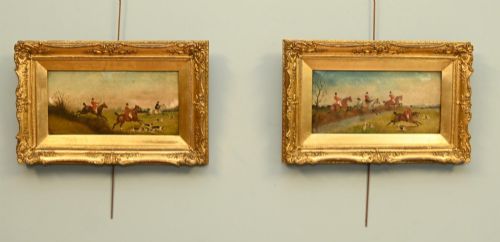
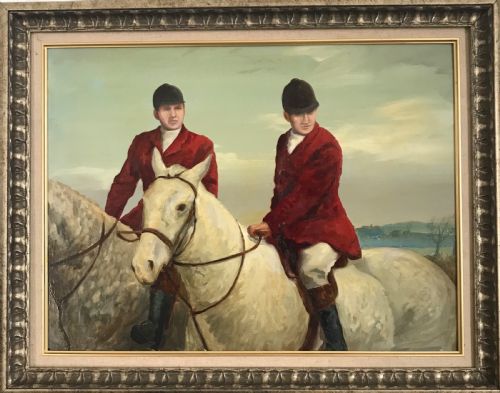
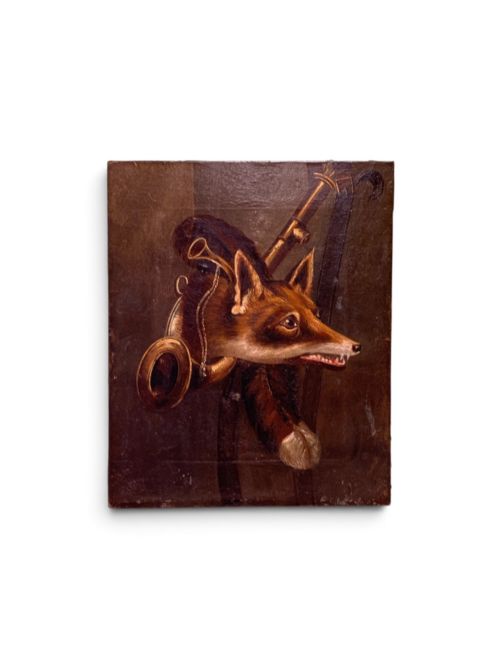
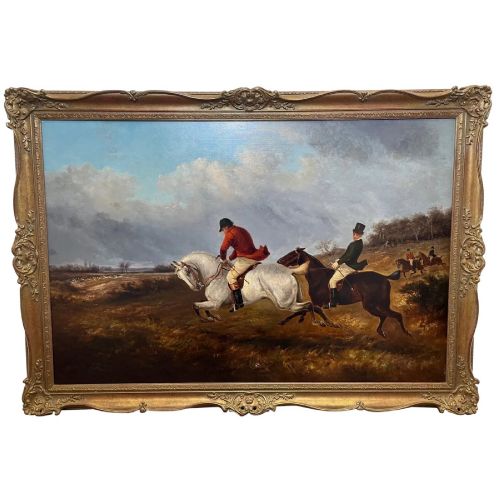
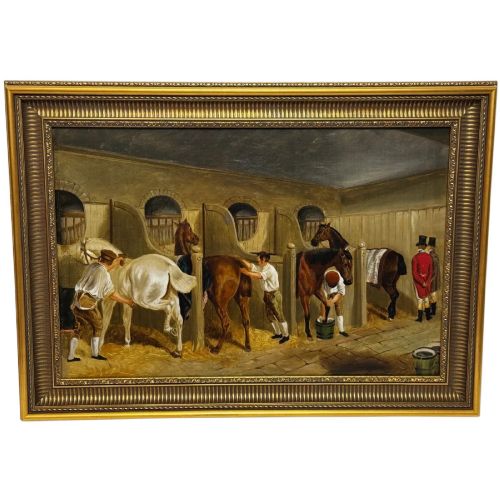
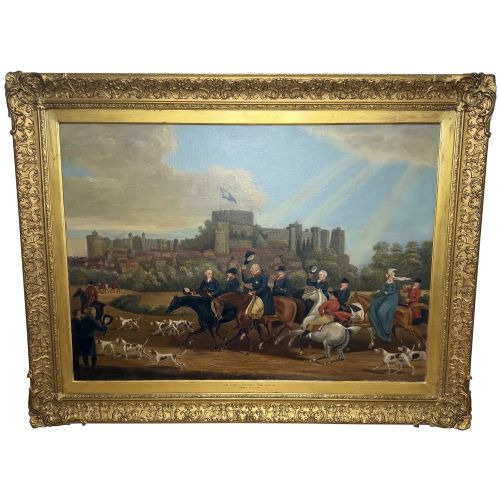
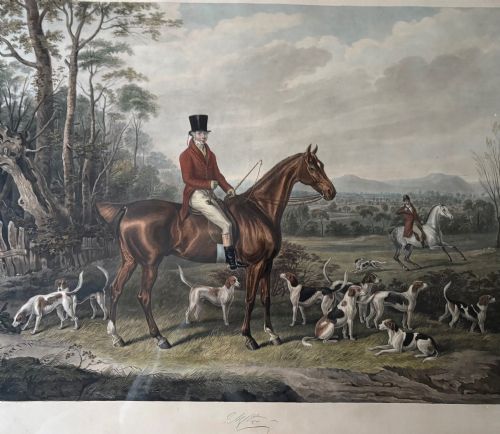
Traditional fox hunting art records the visceral energy of the chase, showing packs of hounds, mounted huntsmen, and sweeping countryside landscapes. These works focus heavily on iconic moments such as the meet, the full cry, and the final pursuit across rural terrain.
Most pieces encountered in this selection stem from the nineteenth and early twentieth centuries, reflecting a golden era of British sporting imagery. The compositions range from large oil paintings on canvas to hand-coloured engravings and watercolours.
Makers and artists capture specific regional hunts, including the Berkeley Hunt and the Quorn Hunt, alongside individual portraits of notable horses and hounds. This visual record preserves the social and equestrian traditions of the period.
Materials and construction
Oil paint applied to canvas or wood panel forms the primary medium for the more substantial works, allowing artists to build rich textures in the horses' coats and the surrounding landscape. Watercolour and pencil on paper appear frequently in preparatory drawings and lighter studies.
Printmaking techniques such as hand-coloured engravings and chromolithographs enabled popular sporting scenes to reach a wider audience during the Victorian and Edwardian eras. These prints often received careful hand-colouring to enhance the vibrancy of the hunting pinks and rural scenery.
Victorian and Edwardian sporting art forms the core of the available inventory on this page.
Separating the ordinary from the exceptional
Quality rests primarily on the artist's anatomical command of horses and hounds during rapid movement, distinguishing stiff renderings from dynamic, convincing action. The handling of light, winter weather, and atmospheric distance in the landscape further elevates a composition.
Provenance and signature play significant roles, with works by documented sporting artists commanding greater attention for their compositional confidence and historical accuracy in depicting tack, attire, and hunt procedures.
Thomas Smythe·John Arthur Lomax·Basil Nightingale·Philip Henry Rideout·George Armfield·Michael Lyne·Charles Faulkner·Fannie Moody·John Frederick Herring Jnr·John Sanderson-Wells·Charles Clifford Turner·Thomas Ivester Lloyd·Charles Johnson Payne Snaffles·Heywood Hardy·Guillaume Urban Régamey·George Goodwin Kilburne·H Alken·Charles Hunt·Francis Calcroft Turner·Frank Algernon Stewart
The Traditional Fox Hunting Art Glossary
- Aquatint
- A printmaking technique that produces tonal areas resembling watercolours or washes. It is frequently seen in nineteenth-century sporting prints.
- Chromolithograph
- A colour lithographic print produced without manual hand-colouring by applying multiple stone plates. This method was widely used for reproducing popular sporting artworks.
- Full Cry
- The intense moment when the entire pack of hounds catches the scent and gives tongue in unison. Artists often choose this phase for dramatic composition.
- The Meet
- The initial gathering of riders, hounds, and followers before the hunt commences. It provides a static, highly detailed scene for portraiture and group arrangement.
- Sporting Art
- A genre dedicated to depicting rural sports, including horse racing, shooting, and fox hunting. It flourished in Britain throughout the Georgian and Victorian periods.
Traditional Fox Hunting Art: Frequently Asked Questions
What periods do these pieces date from?
The inventory spans the nineteenth and early twentieth centuries, capturing the height of British sporting culture.
Victorian and Edwardian works dominate, alongside a few mid-century pieces reflecting enduring interest in the subject.
How should I hang these artworks?
Equestrian paintings and prints suit traditional studies, hallways, or living rooms with classic architectural details.
Pairing smaller watercolours or engravings together creates a cohesive gallery wall that mirrors nineteenth-century display habits.
Are these works original?
The selection includes original oil paintings, watercolours, and pencil drawings created directly by the artists.
Period engravings and lithographs are also present, representing authentic historic printings rather than modern reproductions.
How do I identify different hunt scenes?
Titles and signatures often reference specific packs, such as the Berkeley Hunt or the Quorn Hunt, alongside the Master or huntsman.
Details in the riders' pink coats, local landmarks, and the terrain offer further clues to the specific location depicted.