




Traditional Floral Vases
Traditional floral vases bring botanical splendour indoors through centuries of ceramic artistry and painted depictions.
Traditional Floral Vases
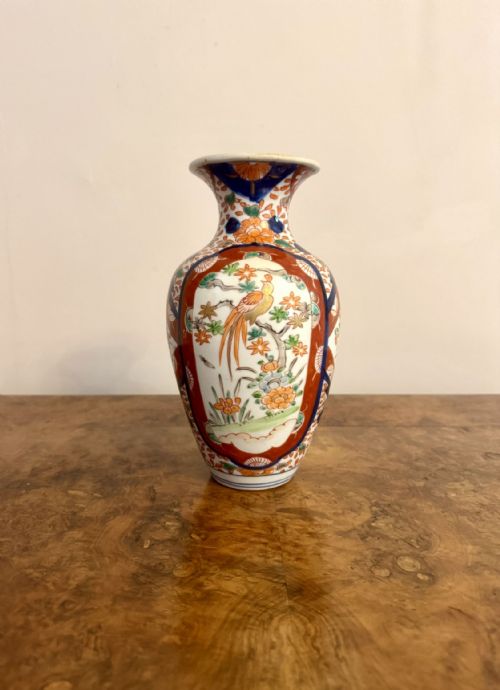
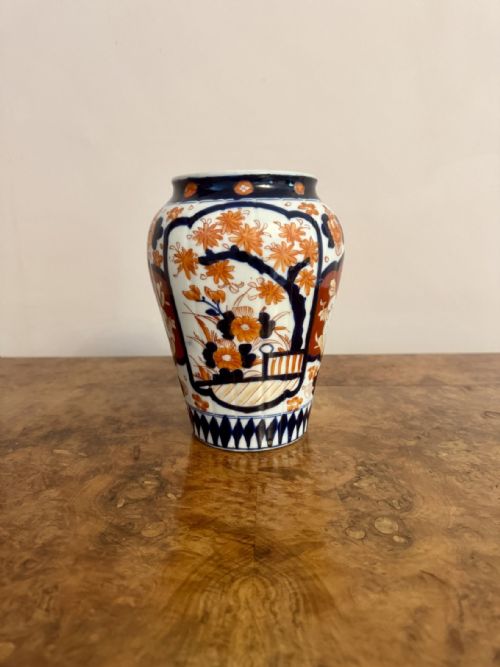
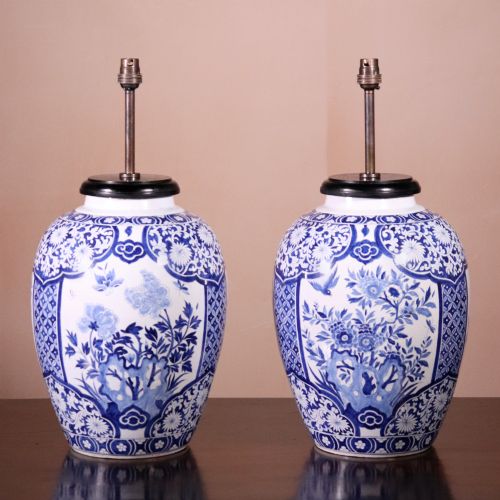
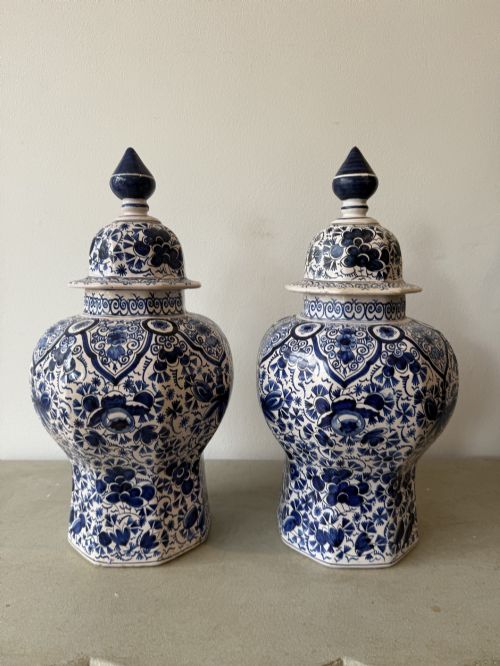
Traditional floral vases encompass ceramic vessels decorated with botanical motifs alongside painted depictions of flowers in oil on canvas. The examples found here span the eighteenth, nineteenth and twentieth centuries, incorporating Japanese Imari, Dutch Delftware and Chinese styles. Buyers will encounter actual porcelain and earthenware vessels alongside oil paintings depicting flower arrangements.
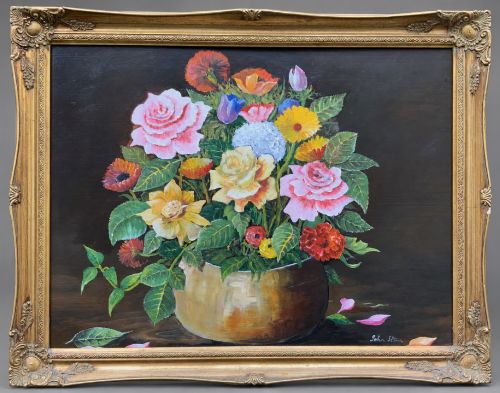
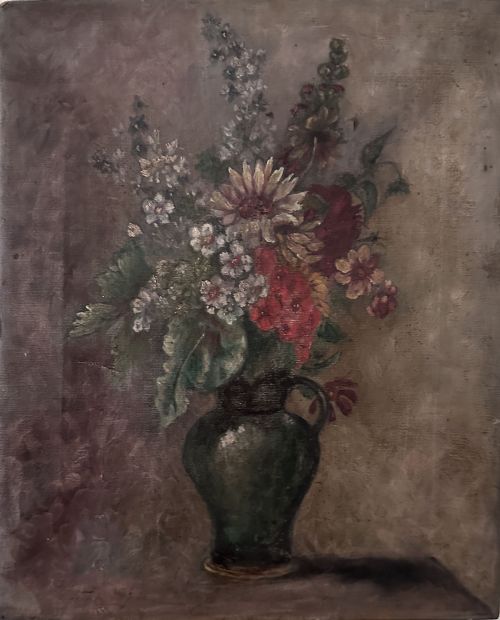
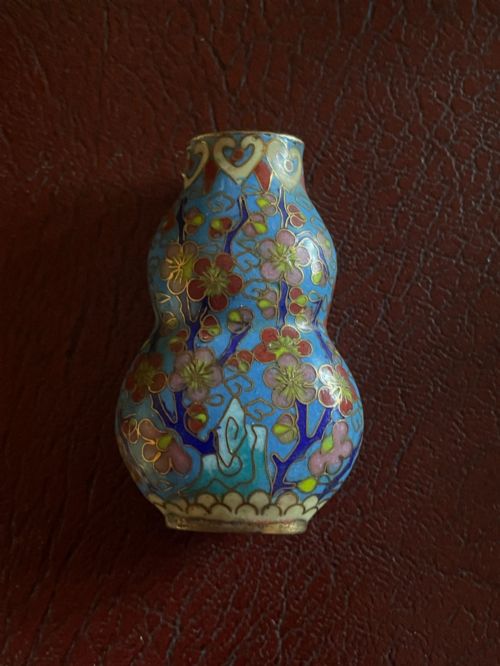
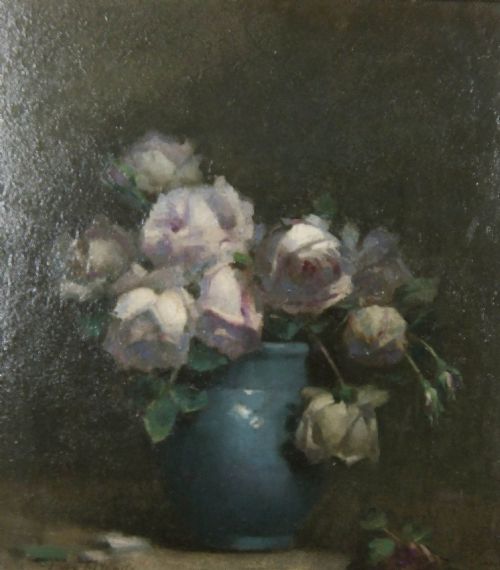
Vessels take the form of lidded jars, bottle vases and miniature pieces executed in porcelain, cloisonné and lacquer. Painted representations appear on canvas and panel, capturing roses, tulips and summer flowers in various compositions. These diverse objects share a direct engagement with botanical subjects across different decorative traditions.
Materials and construction
Ceramic pieces utilise porcelain and earthenware shaped into vessels and finished with underglaze blue, enamel or lacquer work. Metal bases receive cloisonné wirework filled with coloured enamels to create detailed surface patterns. Painters apply oil colours onto canvas or wood panels to render detailed floral studies.
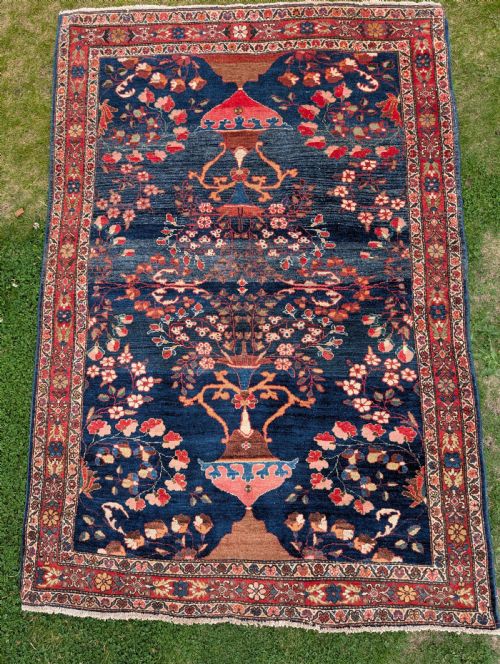
Potters employ hand-thrown and moulded techniques before firing ceramics at high temperatures to set glazes and pigments. Lacquer pieces require multiple brushed layers of resin carved while semi-set to reveal underlying colours. Textile items deploy wool and cotton woven into carpets and rugs featuring vase and flower motifs.
Traditional Floral Vases Retail Price Guide 2026
Typical asking prices for traditional floral vases among the pieces listed under this phrase on Sellingantiques today, from the lower quarter to the upper quarter. They describe what is for sale here now, not the wider market.
Several centuries of artists clearly agreed that roses look best when permanently trapped in oil paint or glazed onto porcelain.
Evaluating craftsmanship and detail
Quality rests in the precision of the brushwork on painted canvases and the clarity of hand-applied underglaze pigments on ceramics. Finer examples display deliberate control over line and colour application, whether rendering petals in oil paint or botanical motifs on porcelain. Superior cloisonné exhibits tight wire compartments and smooth enamelling without surface pitting.
The sophistication of the design composition distinguishes standard production from exceptional pieces across both ceramics and fine art. Imari and Delftware pieces demonstrate quality through the depth of their palette and the crispness of their painted borders. Painted floral studies achieve distinction through nuanced light effects and botanical accuracy.
John Stone·Anton Weiss·William Thomas Wood·Owen Bowen·Henry Schouten·Emily Selinger·Harold Edward Conway
The Traditional Floral Vases Glossary
- Imari
- A style of Japanese porcelain decorated in underglaze blue and contrasting red, gold and black enamels. This aesthetic originated in the Edo period and heavily influenced European ceramic production.
- Cloisonné
- An enamelwork technique where metal wire is soldered to a base to form compartments filled with paste and fired. The resulting surface presents intricate linear patterns across vases and decorative objects.
- Delftware
- Tin-glazed earthenware produced in the Netherlands, traditionally finished in blue and white. Pieces often depict floral sprays or landscape scenes influenced by imported Asian ceramics.
- Oleograph
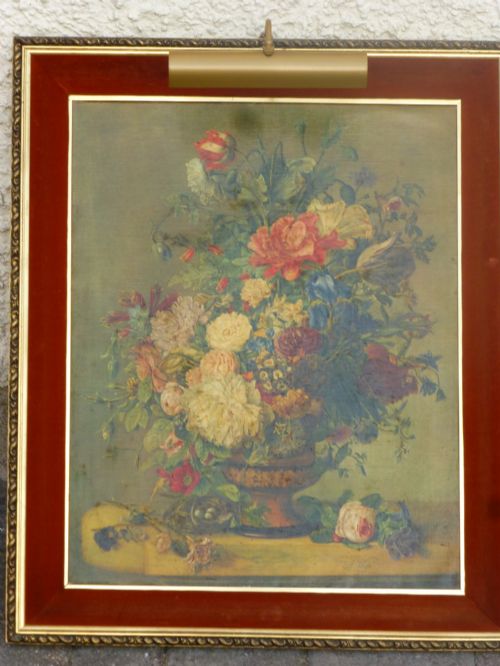
- A mechanical print textured to imitate an oil painting on canvas. These reproductions replicate the surface relief of genuine brushstrokes.
- Still life
- An artwork depicting inanimate subject matter, typically including cut flowers in vases. This genre allows artists to explore light, colour composition and botanical detail.
Traditional Floral Vases: Frequently Asked Questions
How do I display a ceramic vase?
Ceramic vessels suit placement on sideboards, mantels or dedicated display tables where their profiles and surface decoration remain visible. Pairing lidded jars or bottle vases creates balanced focal points within a room.
Ensure placement avoids direct sunlight to protect enamel pigments and delicate surface finishes over time. Placing them away from high-traffic zones prevents accidental knocks to antique porcelain.
What defines a floral still life painting?
Floral still life paintings depict cut flowers arranged within a vase, captured on canvas or wood panel by artists across the nineteenth and twentieth centuries. These works focus on botanical accuracy and the play of light across petals and foliage.
Display these oil paintings in well-lit interior spaces using picture lights to highlight the depth of the oil colours. Framing choices often reflect the period of the canvas to maintain historical context.
How are Imari vases identified?
Imari vases feature distinctive Japanese porcelain bodies decorated with a palette centred on underglaze blue, iron red and gilt accents. Motifs frequently incorporate floral arrangements and brocade patterns.
Examining the foot ring and glaze pooling helps determine the period of manufacture for these pieces. Their weight and iron-red tones provide further clues to their origin.
Can antique vases hold water?
Many antique ceramic vases function primarily as decorative objects rather than functional vessels for fresh flowers. Hairline cracks or historical repairs inside the body can make holding water risky for the piece.
Using a discreet glass or plastic insert protects the interior of fragile porcelain or lacquer vessels if used for displays. Assessing the internal glaze integrity helps decide whether to use them for dried arrangements instead.