


Traditional Fish Wall Art
Traditional fish wall art brings the atmospheric charm of rivers, harbours, and coastal scenes directly into your interior.
Traditional Fish Wall Art
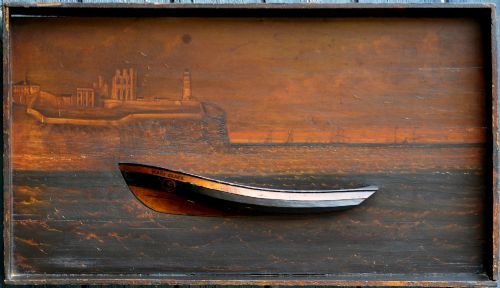
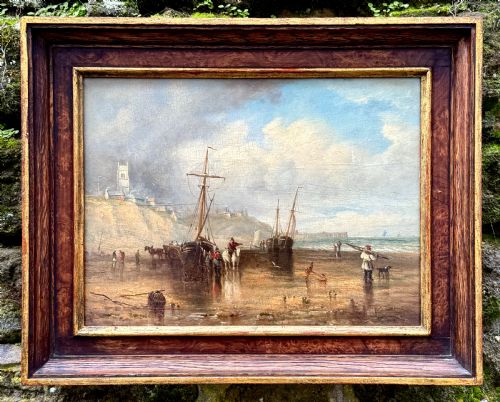
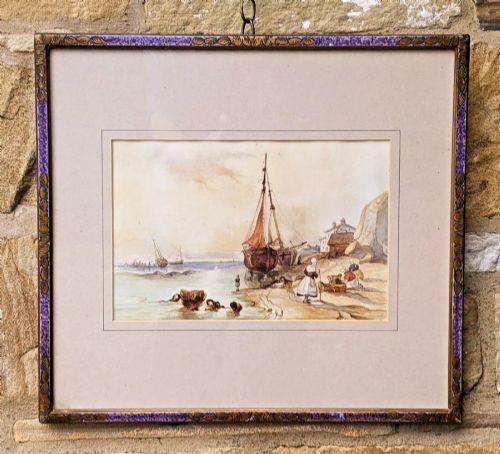
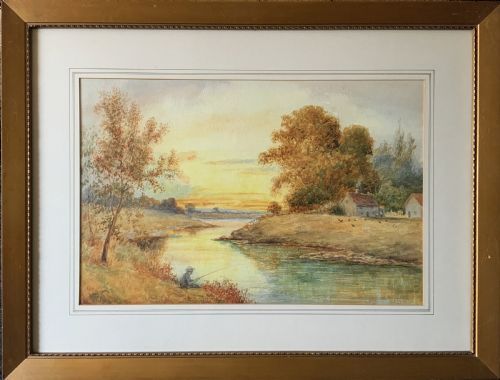
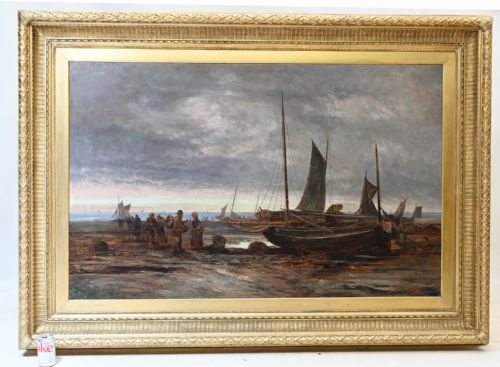
Traditional fish wall art encompasses oil paintings, watercolours, and antique prints depicting aquatic life, angling, and maritime scenes. You encounter works spanning from the nineteenth century into the mid-twentieth century, capturing rivers, harbours, and coastal environments.
The subjects range from detailed studies of caught fish and solitary anglers by the water to bustling fishing trawlers and seaside communities. Victorian examples often focus on narrative realism, while later pieces lean towards impressionistic coastal landscapes.
Most pieces originate from British and European schools, reflecting regional waters and traditional maritime heritage through canvas, paper, and wood supports.
Materials and construction methods
Painters utilised oil on canvas or watercolour pigment on paper, frequently housed within wooden or gilded frames. The application varies from fine, controlled brushwork in nineteenth-century watercolours to heavier impasto strokes on large twentieth-century canvases.
Supports include prepared canvas, heavy art paper, and wooden panels, matched with period framing techniques such as giltwood moulding to complement the artwork.
Listings feature works spanning from the nineteenth century to the 1960s, executed in oil on canvas, watercolour, and antique print formats.
What separates the finest works
The distinction lies in the artist's handling of light, atmosphere, and anatomical accuracy within the subject matter. Superior pieces demonstrate confident brushwork that brings movement to water and depth to the surrounding landscape, whereas lesser works remain stiff and formulaic.
Condition and originality play a significant part, particularly the preservation of the original pigment and the integrity of the canvas or paper support. Period frames that match the age and style of the painting also elevate the overall integrity of the piece.
Thomas Creswick·Frank Hyde·Ernest F. Hill·George Henry Knight·Paul H Ellis·William Edward Webb·James Russell·Robert Leslie Howey·Robert John Hammond·Pieter Cornelis Dommersen·George Marks
The Traditional Fish Wall Art Glossary
- Oil on Canvas
- Pigment mixed with drying oil applied to a stretched cloth support. This medium allowed artists to build rich textures and deep tones.
- Watercolour Painting
- Water-soluble pigment applied to paper to create translucent washes of colour. It requires swift precision as errors are difficult to correct.
- Giltwood
- Wood carved and coated with a thin layer of gold leaf or metallic powder. It provides a traditional decorative border for maritime paintings.
- Maritime Realism
- An artistic style focused on accurate depiction of ships, seas, and coastal life. Painters prioritized authentic details of vessels and marine environments.
- Victorian British School
- A broad classification for artists working in Britain during the reign of Queen Victoria. It encompasses varied regional styles influenced by academic training.
Traditional Fish Wall Art: Frequently Asked Questions
How do I date a traditional fish painting?
Examine the materials, stretcher bars, and framing style, which often carry characteristics specific to the nineteenth or early twentieth century. Signatures and biographical details of the artist also provide a reliable timeframe for creation.
Paper quality and canvas weave offer further clues, as manufacturing techniques evolved significantly between the Victorian era and the 1950s.
Where should I hang these artworks?
These pieces suit traditional studies, living rooms, or dining spaces where maritime and angling themes complement classic interior decor. Keep them away from direct sunlight and damp environments to protect the canvas or paper.
Matching the frame to your existing room palette helps integrate the piece smoothly into your wall arrangement.
Are watercolours as durable as oils?
Watercolours require careful framing behind glass with acid-free mounts to prevent fading and paper degradation over time. Oil paintings on canvas are generally more robust against environmental shifts but still benefit from stable indoor conditions.
Both mediums have survived well over a century when properly maintained by previous owners.
What subjects are most common?
Common subjects include river landscapes with figures fishing, coastal harbours filled with trawlers, and detailed studies of fish such as pike or trout. These scenes reflect the popularity of angling and maritime commerce in British history.
Artists frequently painted local rivers and familiar shores, capturing the daily routines of fishermen and rural life.