

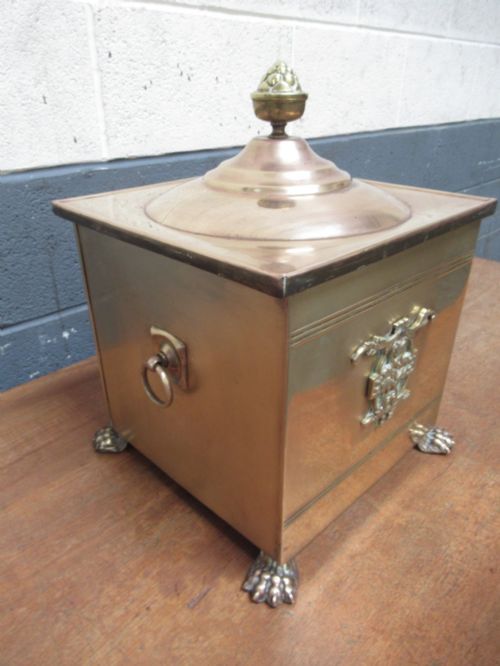



Traditional Fireside Log Store
These traditional fireside log store pieces bring practical domestic utility and heavy timber presence to hearths, drawing on centuries of vernacular furniture making.
Traditional Fireside Log Store
A traditional fireside log store encompasses functional hearth containers designed for holding fuel, appearing in formats ranging from rustic country boxes to coopered buckets and lidded bins. Buyers searching this phrase typically encounter sturdy wooden vessels built to sit beside an active fireplace for holding firewood.
The selections span distinct periods including the Georgian and Victorian eras, alongside Edwardian examples and rustic twentieth century items. Common forms incorporate traditional log boxes, coal scuttles, and well buckets repurposed for domestic fuel storage.
Origins vary across English country workshops, French provincial origins, and Dutch influences, showing both plain utilitarian design and decorative inlaid mahogany finishes. Domestic timber choices dominate, linking each object directly to historical hearth traditions.
How they were made
Construction relies heavily on traditional timber joining techniques, utilising solid woods such as oak, elm, fruitwood, and mahogany shaped into sturdy boxes and bins. Coopered construction appears frequently, binding wooden staves together with metal bands to create durable circular vessels suited to heavy daily use.
Cabinetmaking methods emerge in Edwardian examples featuring inlaid details, while rural pieces display simpler joinery suited to farmhouses and country cottages. Metal components such as brass banding and iron fittings provide structural reinforcement alongside handles for lifting.
Traditional Fireside Log Store Retail Price Guide 2026
Typical asking prices for traditional fireside log store among the pieces listed under this phrase on Sellingantiques today, from the lower quarter to the upper quarter. They describe what is for sale here now, not the wider market.
Periods represented include Georgian, Victorian, and Edwardian eras, alongside rustic country examples.
What varies in quality
Quality rests on the selection and thickness of the primary timber, with dense hardwoods like oak and mahogany offering greater structural longevity than lighter fruitwoods. The integrity of the original construction, especially in coopered staves and banded metal reinforcement, dictates the physical sturdiness of each piece.
Aesthetic refinement also separates utilitarian storage from finer household items, distinguishing simple rustic country boxes from sophisticated inlaid Edwardian cabinets. The presence of period fixings and untouched patination further defines the standing of individual examples.
The Traditional Fireside Log Store Glossary
- Coopered
- Method of construction using wooden staves joined vertically and bound with metal hoops, traditionally employed for water buckets and fuel bins.
- Purdonium
- A dedicated coal cabinet featuring a sloping front door and a shovel compartment, popular in domestic interiors during the Edwardian period.
- Fruitwood
- Timber sourced from fruit-bearing trees such as pear or apple, utilised by country cabinetmakers for its dense grain and warm tone.
- Planter
- A deep open vessel, often taking the form of a converted well bucket or tub, frequently repurposed for fireside storage.
- Patina
- The surface sheen and colour acquired by wood and metal through decades of handling, cleaning, and exposure to hearth environments.
Traditional Fireside Log Store: Frequently Asked Questions
How do I choose the right size log store?
Consider the scale of your fireplace and the volume of wood you intend to keep near the hearth. Smaller boxes suit compact hearths, while generous bins accommodate larger quantities of logs.
Measure your available hearth space carefully before selecting a piece to ensure balanced proportions in the room.
Are these containers suitable for storing logs indoors?
These historical vessels were built specifically for domestic fuel storage beside domestic hearths. Their timber construction safely contains bark and debris while holding firewood within arm reach.
Line the interior if necessary to protect older wooden bases from moisture and heavy impacts.
How do I care for antique wooden log boxes?
Maintain the timber by dusting regularly with a dry cloth and applying occasional appropriate wax to nourish the grain. Avoid placing damp logs directly onto unprotected antique wood surfaces.
Keep the containers away from excessive direct heat sources to prevent timber from drying out or splitting over time.
What is the difference between a coal scuttle and a log box?
Coal scuttles and purdoniums were engineered specifically to handle small fuel and ash, often incorporating shovels and enclosed tipping mechanisms. Log boxes provide open or lidded cavities designed for larger pieces of firewood.
Both serve hearth functions but reflect different fuel requirements and interior domestic habits.