

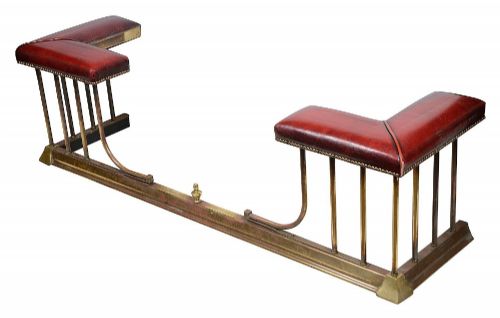


Traditional Fireplace Seating
Traditional fireplace seating brings physical warmth and practical comfort right to the hearth, offering low stools, armchairs and club fenders designed for gathering near the fire.
Traditional Fireplace Seating
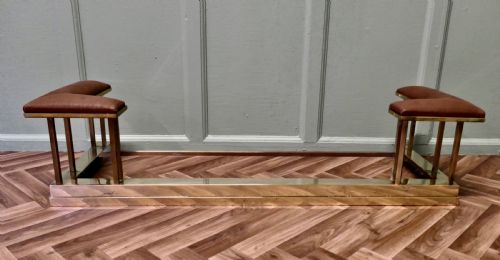
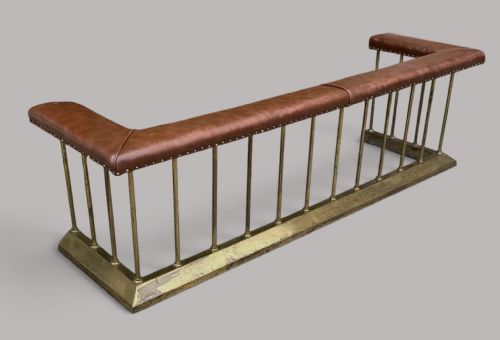
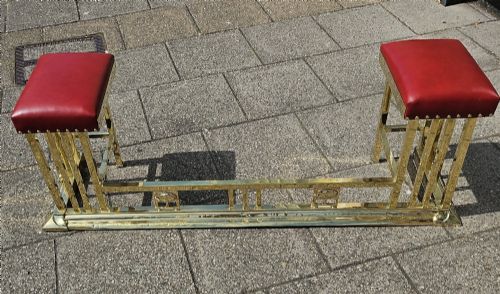
Traditional fireplace seating primarily comprises club fenders, low stools and armchairs originating from the nineteenth and early twentieth centuries. Club fenders dominate the selection, providing low upholstered padded seats built directly over a rigid metal frame designed to enclose the hearth.
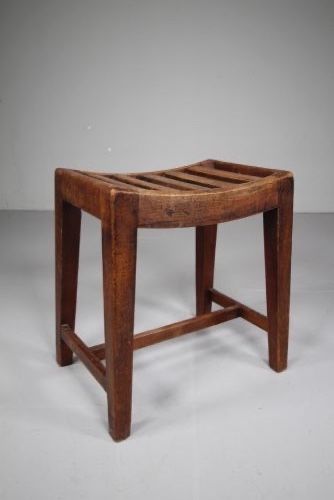
Armchairs and footstools also appear within this category, spanning Victorian, Edwardian and Georgian styles constructed in mahogany, oak and walnut. These pieces transform empty hearth spaces into sociable seating areas that echo historical domestic interiors.
Materials and construction methods
Metalwork forms the structural backbone of club fenders, utilising polished brass, cast steel, iron and copper combined to create sturdy corner supports and balustrades. Timber frames in mahogany, oak and walnut underpin the accompanying armchairs and footstools.
Upholstery relies on hard-wearing materials such as tan leather, green leather, velvet and kilim fabric, buttoned or plain-stitched over internal padding. Metal components are frequently riveted or cast, while wooden frames display carved details and traditional joinery.
Listings span from the eighteenth century through the 1940s, featuring brass, steel, oak, mahogany, and leather.
Judging quality and craftsmanship
Quality rests upon the weight and gauge of the metal framework, where heavy cast brass or thick steel components indicate superior structural integrity. Flimser tubular brass or thin pressed metal lacks the substantial presence found in the finest examples.
The upholstery standard dictates the finish, with premium pieces featuring deep buttoning, supple hide and solid hardwood frames rather than modern synthetic replacements. Proportions and the crispness of any cast or carved detailing further distinguish standard utility items from finer workshop pieces.
The Traditional Fireplace Seating Glossary
- Club Fender
- A low-framed seat surrounding the hearth, combining metal balustrades with upholstered top rails. This configuration allowed Victorians and Edwardians to sit comfortably level with the fire.
- Balustrade
- An architectural row of upright pillars supporting the top rail of a club fender. These metal spindles often feature decorative turning or plain cylindrical profiles.
- Chesterfield Seat
- A deep-buttoned upholstered cushion style frequently applied to club fender top rails. It provides a firm yet cushioned surface characteristic of period library and smoking room furnishings.
- Kilim
- A flatwoven wool textile used historically as a traditional upholstery covering on footstools. These geometric fabrics introduce pattern and texture to nineteenth-century wooden frames.
Traditional Fireplace Seating: Frequently Asked Questions
What is a club fender?
A club fender is a low metal frame featuring padded leather or fabric seats that wraps around an open fireplace. It creates a warm perimeter where people can sit directly beside the hearth.
Originally popularised in large country houses during the Victorian and Edwardian eras, these pieces maximise heat exposure while protecting the room from stray sparks.
How do I choose the right size?
Measuring your fireplace opening and surrounding hearth hearthstone is essential before selecting a club fender. The internal dimensions must clear the fireplace surround comfortably with adequate space on all sides.
Height matters just as much as width, as traditional club fenders sit lower than standard chairs to keep occupants below the smoke line.
Are these seats comfortable for daily use?
Period club fenders and low stools offer surprisingly supportive seating thanks to dense internal padding and sturdy metal or wooden foundations. Leather-topped versions adapt well to regular sitting.
Armchairs included in this category provide traditional sprung or stuffed back support suited for relaxed lounging near a living room fireplace.
How do I maintain leather upholstery?
Leather seats benefit from occasional conditioning with a quality wax or balm to prevent the natural hide from drying out near direct heat sources. Regular dusting keeps the surface clean.
Avoiding harsh chemical cleaners preserves the aged patina on vintage tan and green leather hides found on nineteenth-century pieces.