
Traditional Female Portrait Art
Traditional female portrait art captures likenesses across centuries in oil, canvas, and print.
Traditional Female Portrait Art
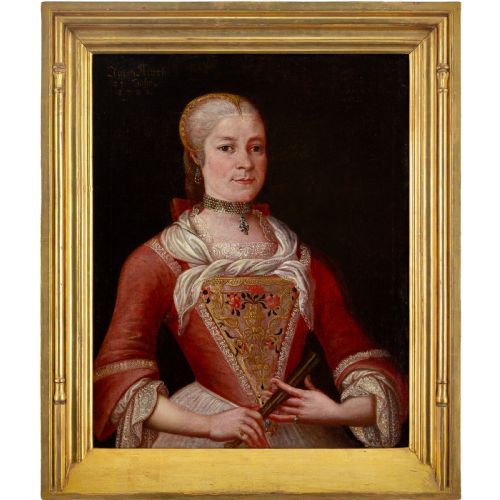
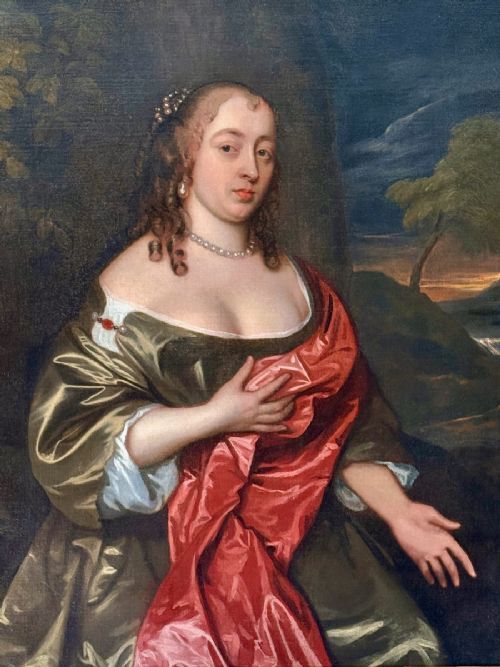
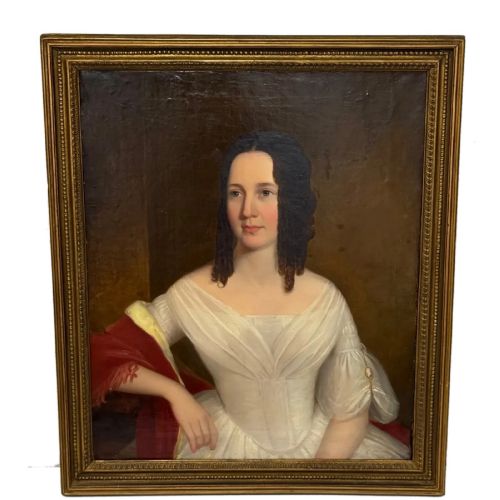
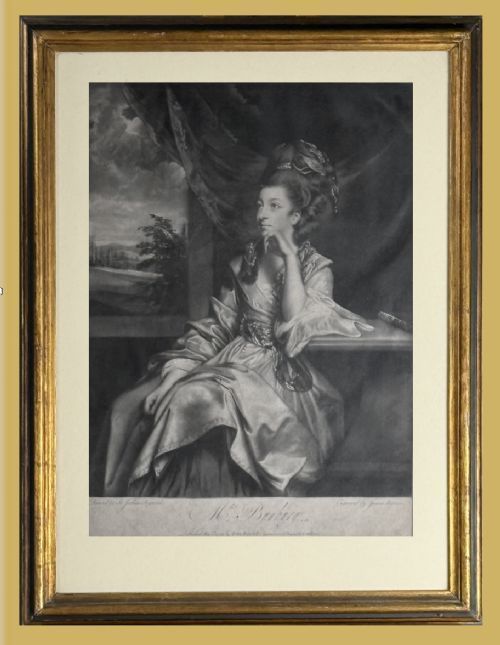
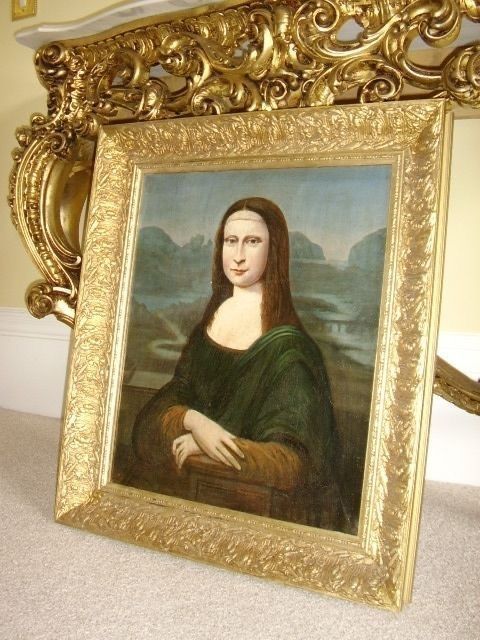
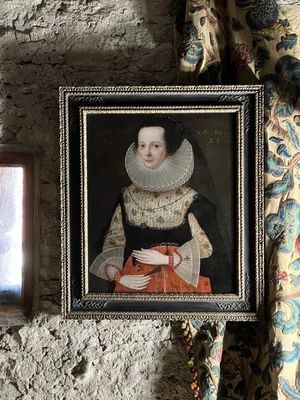
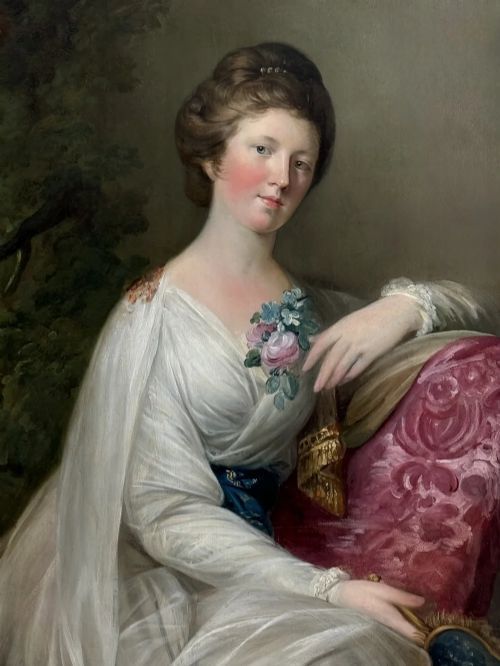
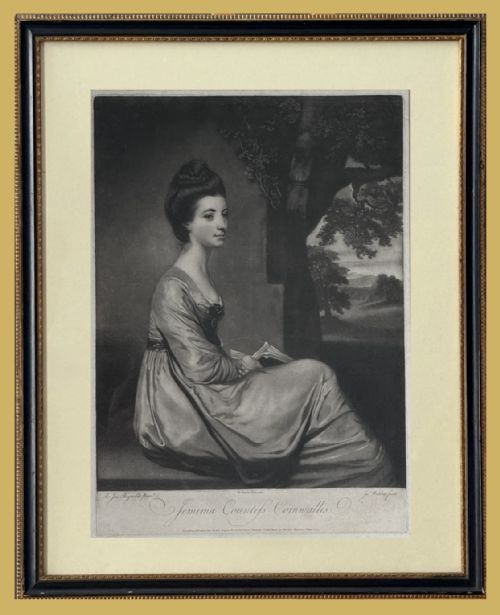
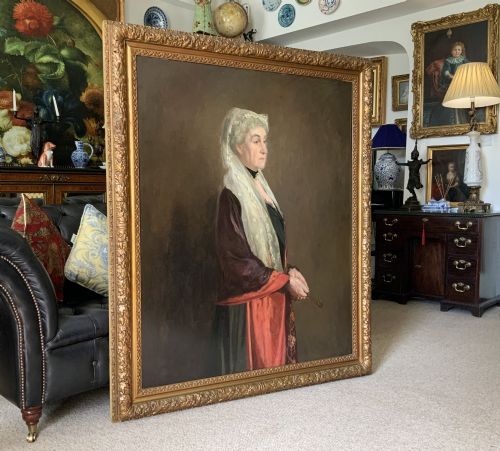
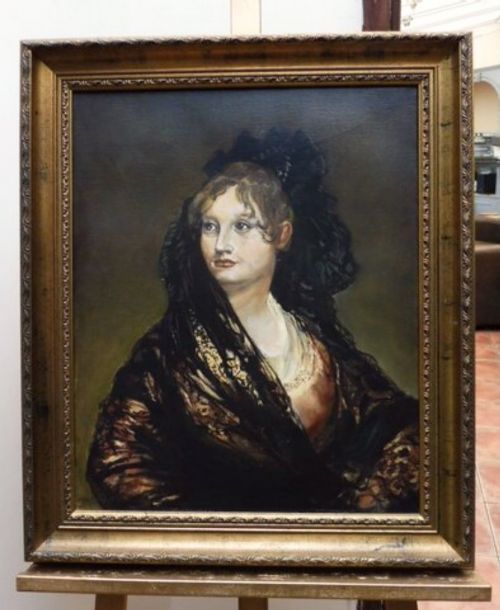
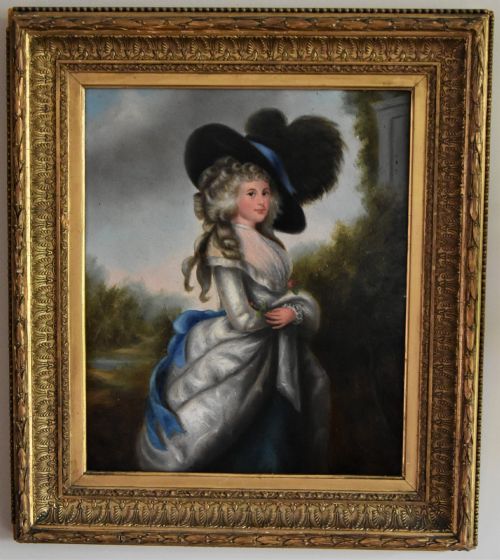
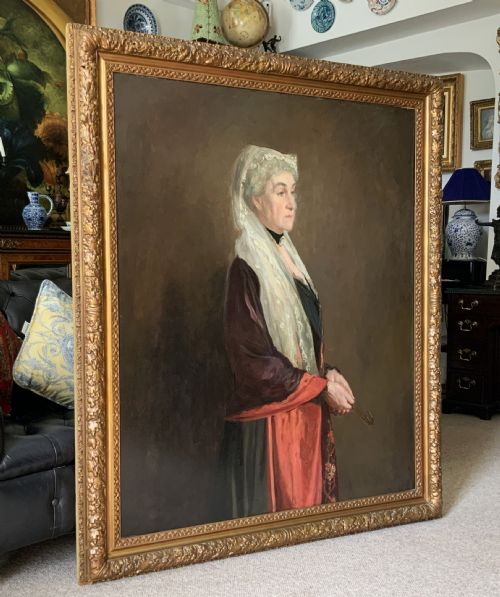
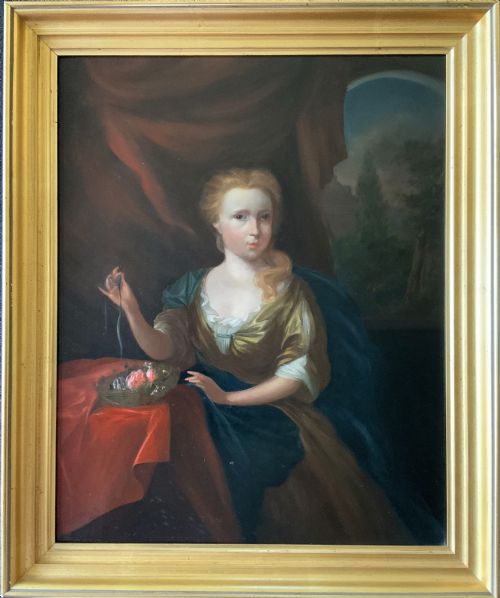
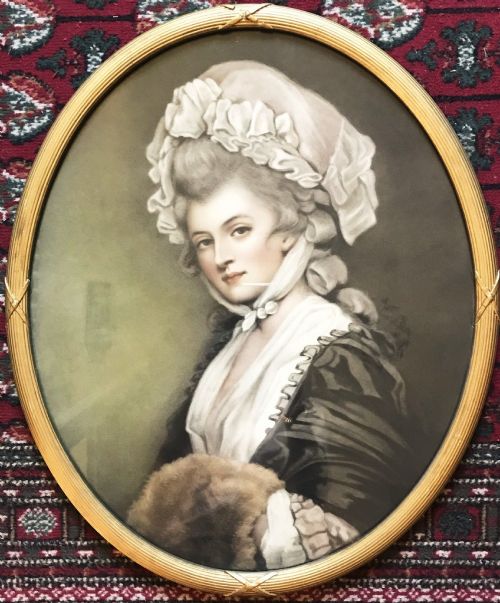
Traditional female portrait art comprises depictions of women created across the seventeenth, eighteenth, nineteenth, and twentieth centuries. These works include original oil paintings on canvas or board, alongside period mezzotints and framed prints after earlier masters. Subjects range from noblewomen and historical figures to artists, architects, and unidentified sitters captured in elaborate costume or everyday attire.
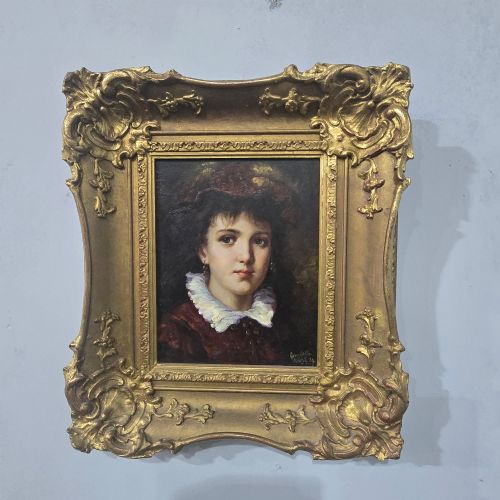
The selections span distinct historical movements such as Georgian, Victorian, Edwardian, and Rococo Revival styles. Buyers encounter both monumental oils intended for grand interiors and smaller scale studies or oval glazed prints. Continental schools and British artists both feature prominently within these selections.
Materials and construction methods
Painters utilised oil paint applied to canvas, wood, or paper supports to build up rich textures and tonal depths. Gilded wood frames frequently house these oil paintings, providing substantial structural borders finished with gold leaf.
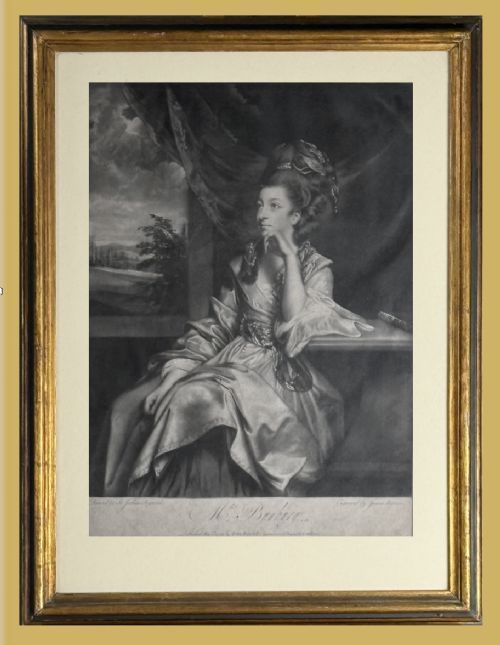
Printmakers employed techniques like mezzotint and stipple work to reproduce popular compositions on paper. Pastels and sanguine chalks also appear on paper supports, offering softer linear qualities.
Listings feature works across the 17th, 18th, 19th, and 20th centuries, utilising oil on canvas, paper, wood, and giltwood frames.
Factors determining quality
Quality rests upon the skill of the draughtsman and the handling of pigment, where confident brushwork distinguishes professional studio output from ordinary decorative copies. The intricacy of the sitter's costume and the rendering of facial expression reveal the painter's capability to capture psychological depth.
The integrity of the original support and the condition of the painted surface dictate the preservation grade of each piece. Surviving period frames constructed from carved giltwood further influence the overall standing of an artwork.
JOHN HAYLS·JAMES WATSON·SIR JOSHUA REYNOLDS·GEORGE WILLISON·FRANCISCO JOSE DE GOYA Y LUCIENTES·THOMAS GAINSBOROUGH·JEAN-BAPTISTE VAN LOO·JOHN ROBERT DICKSEE·JEAN-MARC NATTIER·ALEXANDER MACLEAN·AUGUST HEINRICH RIEDELL·SIR THOMAS LAWRENCE·CORNELIS VAN DER VOORT·WILLIAM JOSEPH CARROLL·WILLIAM OLIVER·ROBERT EDWARD MORRISON·DOD PROCTOR
The Traditional Female Portrait Art Glossary
- Mezzotint
- A printmaking process where the copper plate is roughened to achieve rich dark tones and subtle tonal gradations. This technique allowed printmakers to replicate painted portraits with remarkable fidelity.
- Sanguine
- A type of red chalk used for drawing and sketching. Artists favoured this medium for warm, lifelike studies of the human face.
- Giltwood
- Wood that has been coated with a thin layer of gold leaf or gold paint. Frames finished in this manner were designed to complement the grandeur of oil paintings.
- Stipple work
- An engraving technique utilising dots to create tonal shadows and forms. It produces a soft, blended effect well suited to portraiture.
- Rococo Revival
- A decorative style popular in the nineteenth century that revived the ornate, asymmetrical curves of the eighteenth-century movement. Works in this style often incorporate elaborate framing and theatrical composition.
Traditional Female Portrait Art: Frequently Asked Questions
What periods do these portraits cover?
The works span from the seventeenth century through to the mid-twentieth century. Examples include seventeenth-century English school pieces, eighteenth-century Bavarian works, and Edwardian productions.
Victorian and Georgian eras are also heavily represented alongside later twentieth-century interpretations.
Are these works original oil paintings?
Many listings are original oil paintings executed on canvas, board, or wood. Artists applied oil paint to capture detailed likenesses of aristocratic subjects and private sitters.
In addition to original oils, the selection includes period mezzotints, stipple work, and framed prints after historical masters.
How should I hang a framed portrait?
Heavy oil paintings in giltwood frames require secure wall fixings anchored directly into masonry or studs. Ensure the hanging wire and D-rings are robust enough to support the weight of the frame.
Position portraits away from direct sunlight and excessive humidity to protect the canvas and oil pigments.
Who are the subjects in these portraits?
Subjects include named historical figures such as architects, countesses, and marquises. Many works portray noblewomen in elaborate historical costume or holding symbolic items like roses and lutes.
Other pieces depict regional beauties, continental ladies, and anonymous sitters rendered by provincial or continental schools.