
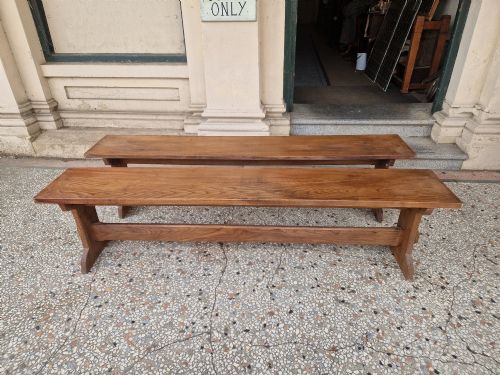


Traditional Farmhouse Furniture
Traditional farmhouse furniture brings together sturdy dining tables, settles and dressers built from pine, oak and elm to suit practical daily domestic life.
Traditional Farmhouse Furniture
Traditional farmhouse furniture encompasses utilitarian tables, benches, chairs, settles and dressers designed for robust, everyday domestic service across rural households. These pieces span the eighteenth and nineteenth centuries, taking forms that served practical functions in kitchens, halls and dining rooms.
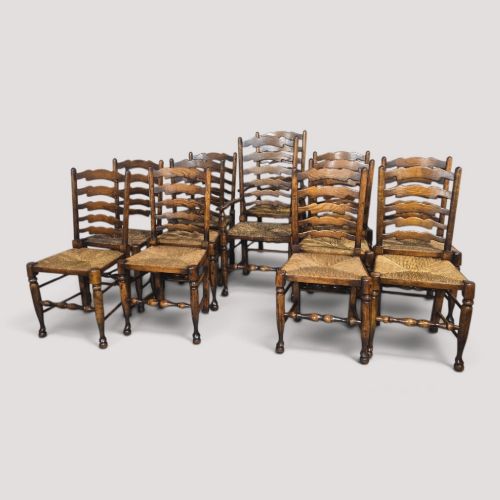
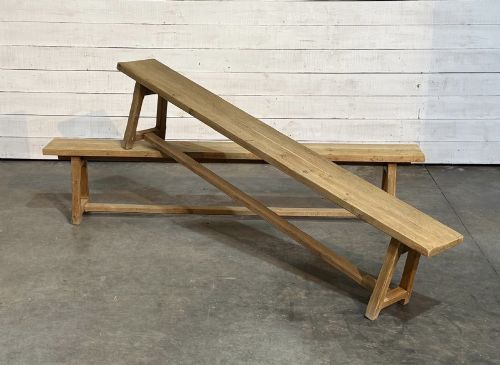
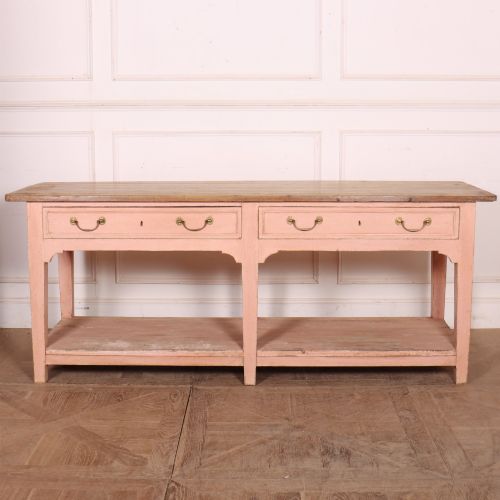
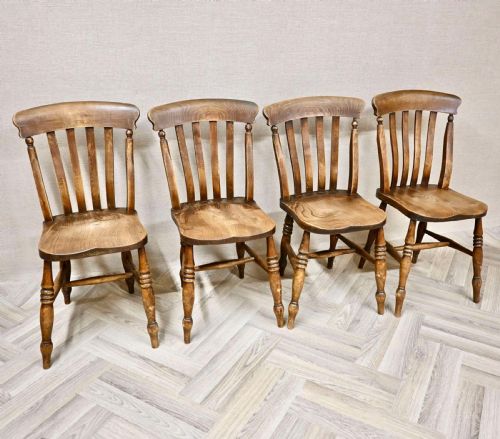
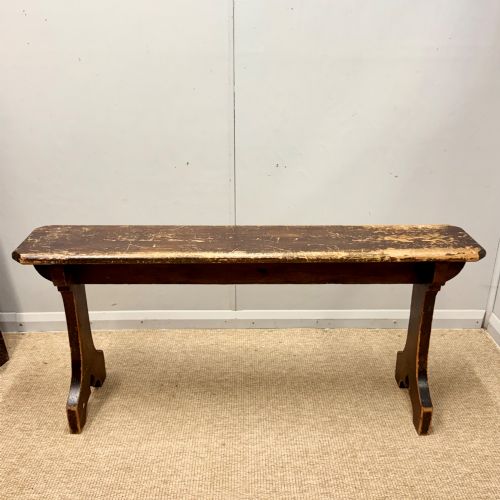
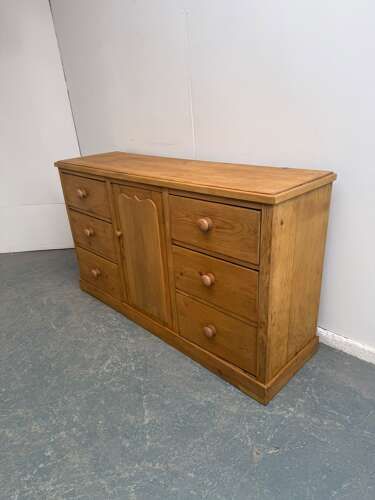
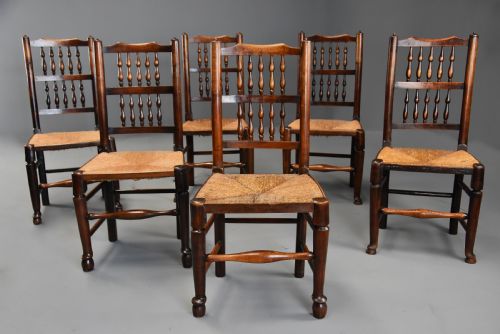
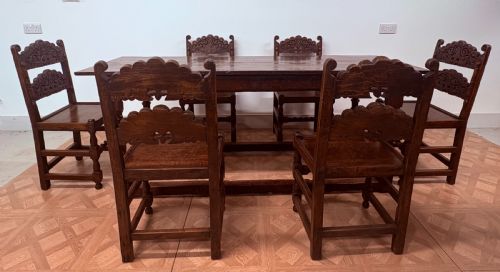
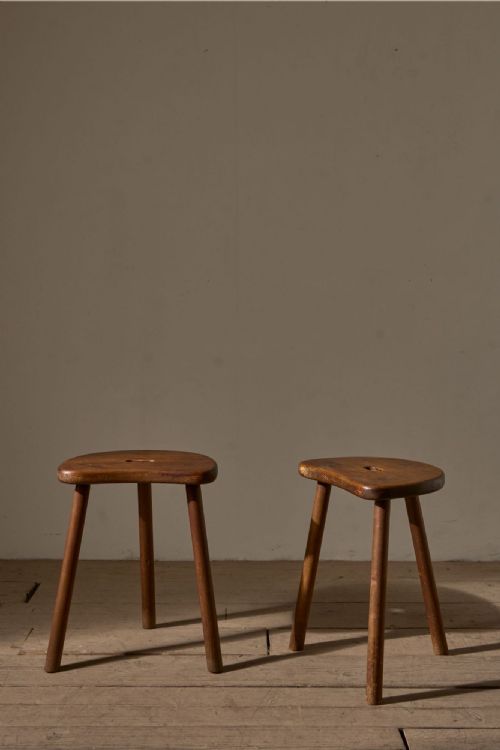
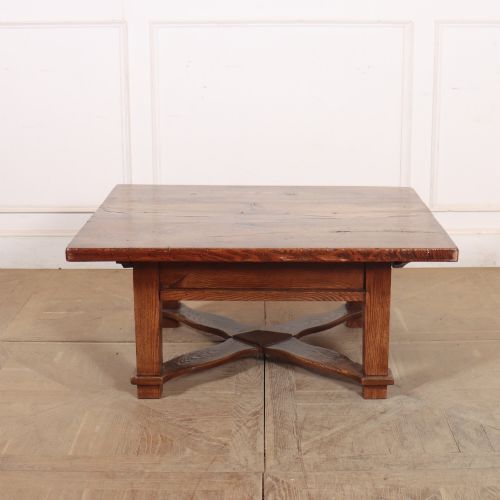
The pine and oak dining tables, elm spindle-back chairs and long wooden benches on this page represent the core of what domestic rural spaces required. Simplicity of line and unpretentious utility define the category, reflecting the regional needs of English, Welsh, French and Austrian makers.
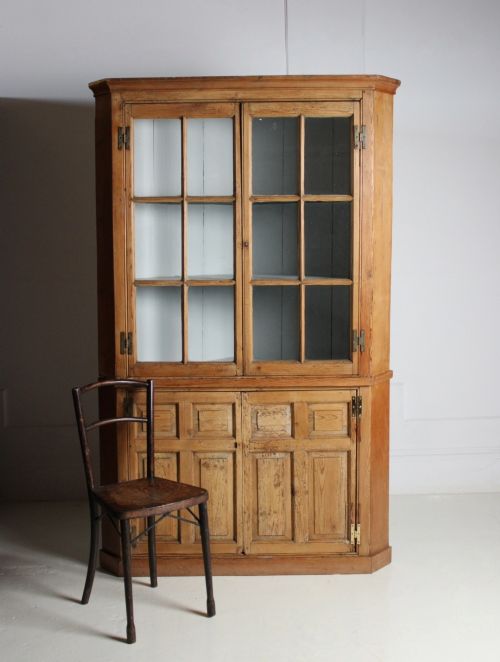
Buyers encounter numerous variations in timber and scale, from long oak refectory tables to painted pine corner cupboards and rush-seated elm single chairs. Each item bears the physical evidence of generations of household use, visible in the surface marks and integrated repairs.
How they were made
Makers relied on solid timbers native to their regions, principally oak, pine and elm, supplemented by ash, beech, chestnut and cherrywood. Construction methods prioritized structural stability over decorative flourish, employing mortise and tenon joints, pegged frames and turned spindles to withstand heavy domestic demands.
Surfaces were frequently left bare to be scrubbed, treated with traditional wax finishes, or coated in regional paints such as Swedish Falu red or folk art pigments. Joinery traditions varied by district, yielding vernacular seating and tables constructed with local materials and straightforward hand tools.
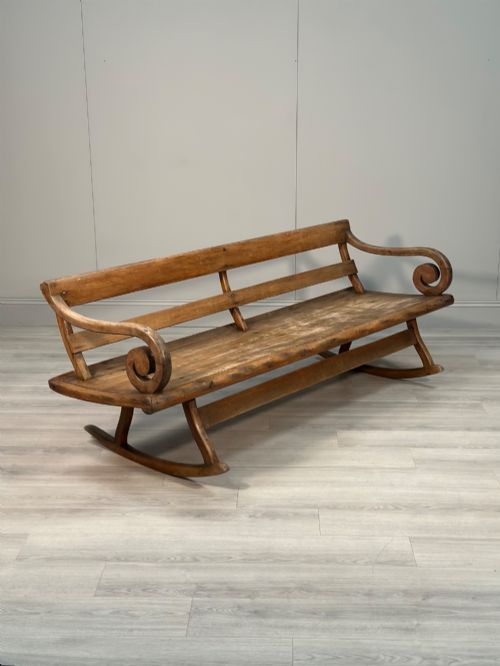
Some nineteenth-century settles include integrated high backs specifically curved to trap the heat rising from a hearth fire.
What varies in quality
Quality rests in the integrity of the original construction and the honesty of the surviving surface, separating pieces that retain their structural truth from those altered by aggressive modern intervention. Timber selection dictates durability, with dense old-growth oak and well-seasoned pine holding up better than compromised secondary woods.
The character of the surface timber, whether a deep waxed patina on an oak dresser base or untouched historic paint on an Austrian settle, defines the visual standing of each piece. Retained original components, such as early rush seats or pegged joints, elevate the historical standing of tables and chairs.
The Traditional Farmhouse Furniture Glossary
- Settle
- A wooden bench featuring a high solid back, enclosed arms and often a box seat beneath, designed to block draughts in traditional kitchens. This form dates back centuries and served multiple seating and storage purposes.
- Refectory table
- A long dining table originally built for monastic dining halls and later adopted in domestic farmhouses. These pieces feature sturdy stretcher bases to support expansive plank tops.
- Spindle back
- A chair back constructed with a series of turned wooden rods fitted between a top rail and seat. This technique provides lightweight strength to country kitchen chairs.
- Potboard dresser
- A kitchen dresser base featuring an open lower shelf traditionally used for storing pots and pans. This form provides practical storage distinct from enclosed cupboards.
- Vernacular
- Objects designed and built by local craftsmen using regional traditions rather than high-style academic design. This term describes items shaped entirely by local utility and available materials.
- Rush seat
- A seating surface woven from dried marsh rushes, commonly found on nineteenth-century country chairs. This technique yields a resilient, flexible pad that softens with use.
Traditional Farmhouse Furniture: Frequently Asked Questions
How do I care for antique pine tables?
Clean surfaces with a damp cloth and avoid harsh chemical cleaners that strip the historic finish.
Apply a traditional beeswax periodically to nourish the dry timber and maintain a soft protective sheen.
What is the difference between a settle and a bench?
A bench provides simple open seating on a wooden plank supported by legs or trestle ends. A settle adds a high solid back and enclosed arms designed to shield sitters from cold draughts.
Settles frequently incorporated storage boxes beneath the seat, serving multiple functions in the domestic kitchen.
How can I date an old oak farmhouse table?
Examine the timber boards for hand-sawn marks, irregular widths and pegged mortise and tenon joints. Older tables often display timber movement and historical wear patterns unique to hand tools.
Hardware, construction methods and underlying patination provide clues to whether a piece belongs to the eighteenth or nineteenth century.
Where were these country chairs made?
Country chairs were produced by local vernacular makers across English, Welsh, French and Austrian regions. Workshops utilised whatever native timbers grew nearby, such as elm, ash and beech.
Regional turning styles and local seating traditions often reveal the geographical origin of unbranded kitchen chairs.