

Traditional Equestrian Canvas Art
Traditional equestrian canvas art captures the power and presence of horses, hounds, and country life through generations of brushwork.
Traditional Equestrian Canvas Art
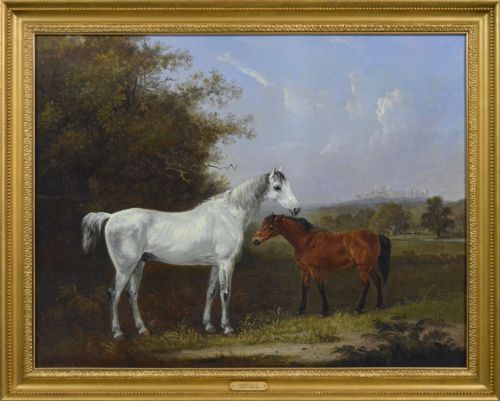
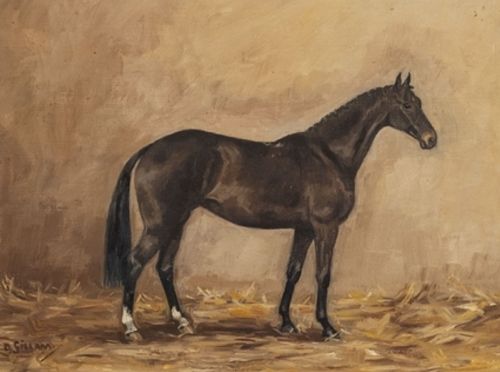
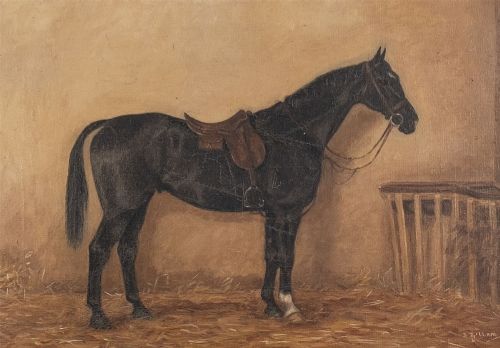
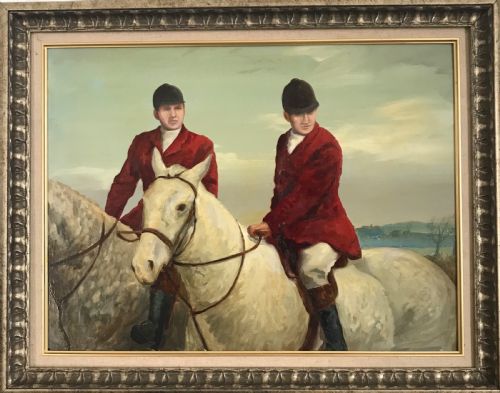
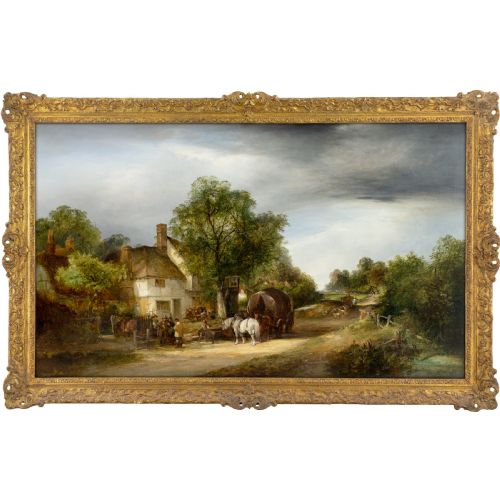
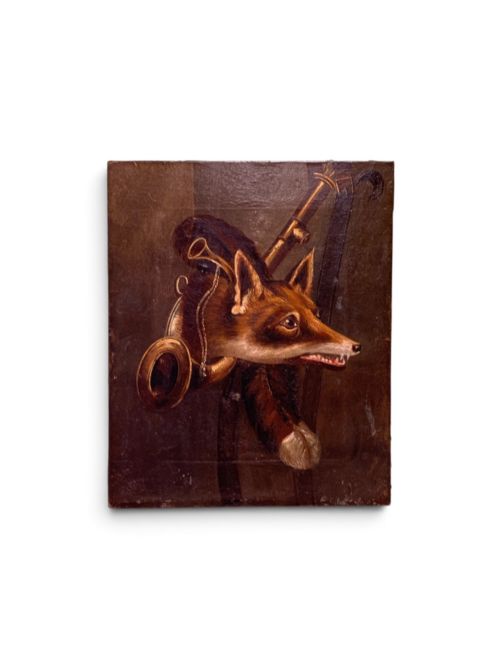
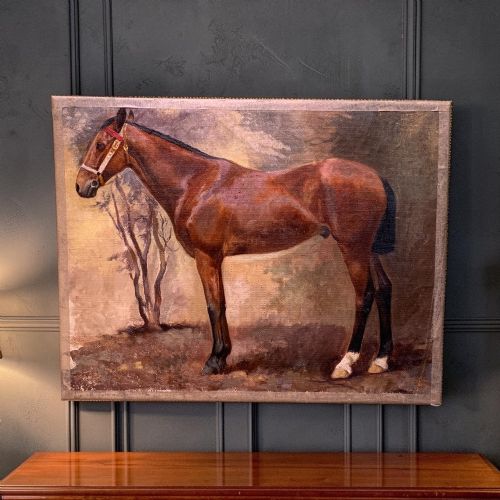
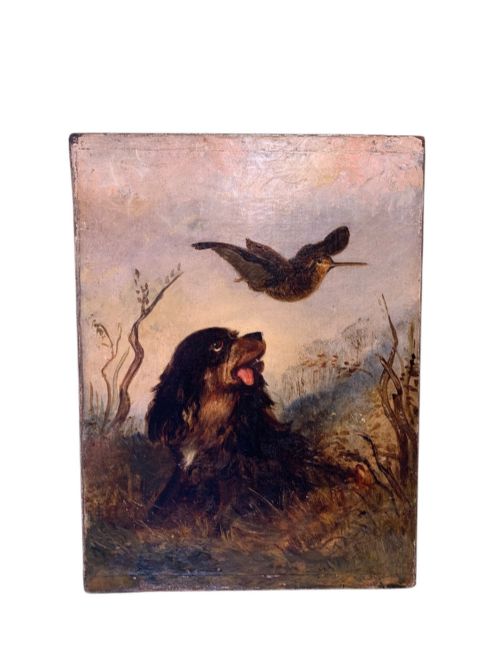
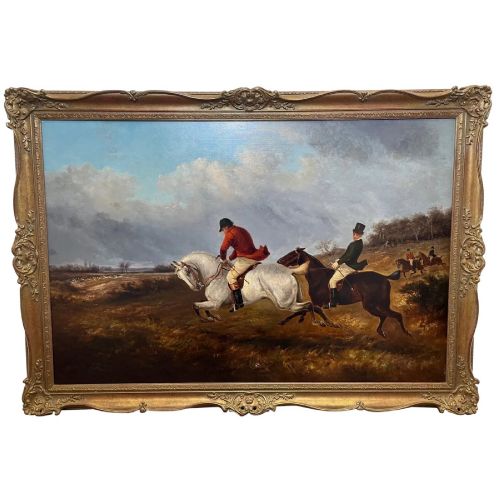
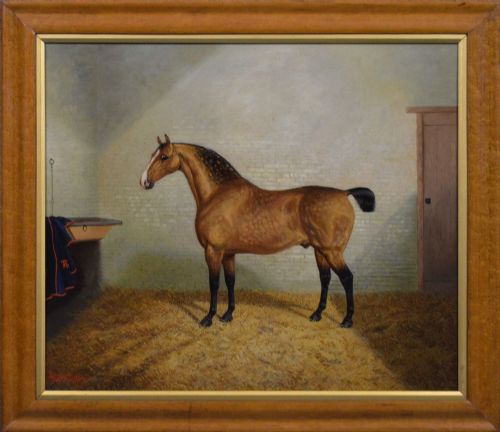
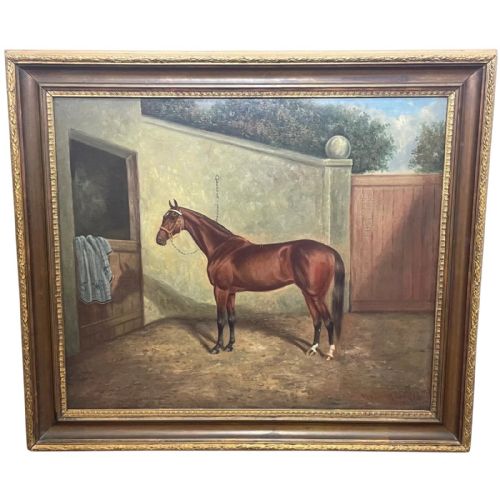
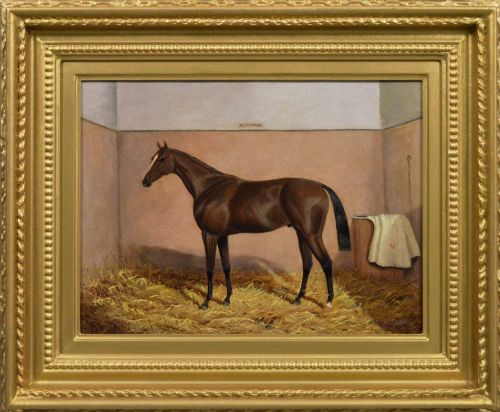
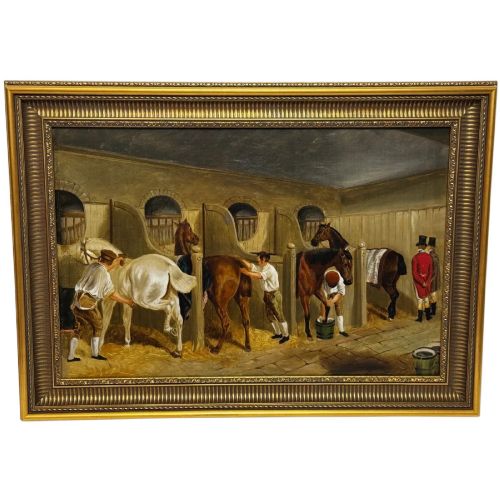
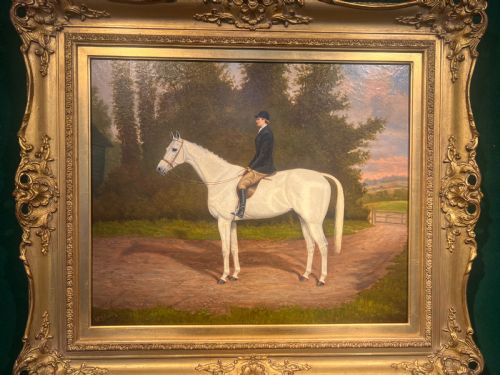
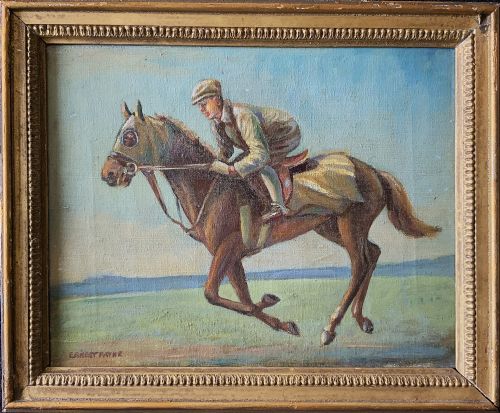
Buyers seeking traditional equestrian canvas art will find oil paintings on canvas depicting horse portraits, hunting scenes, racehorses, and coaching subjects. These works span periods from the Georgian and Victorian eras through the early and mid-twentieth century.
The most common pieces met on this page are nineteenth-century portraits of individual bay, chestnut, or grey hunters and racehorses, often paired with stable yards or rural estates. Sporting scenes featuring hounds and riders also appear frequently across the selection.
Makers and English schools of painting recorded here range from named nineteenth-century artists to regional depictions of county winners and countryside landscapes.
Materials and construction
These works are painted using oil paint applied to stretched canvas, mounted within wooden or giltwood frames that often bear the patination of age.
Artists employed traditional layering techniques with oil media to build depth in animal musculature, coats, and rural landscapes, securing the canvas to wooden stretchers.
Listings feature oil paintings on canvas spanning from the Georgian period through the 1960s, utilising wood and giltwood frames.
Elements of quality
Quality in these paintings rests upon the anatomical precision of the horse, the fluidity of brushwork in the landscape, and the handling of light across coats and stable interiors.
The sophistication of the composition and the preservation of the original oil pigment and canvas substrate determine the standing of an individual work.
Henry Barraud·Thomas Smythe·Albert Clark·John Alfred Wheeler·John Frederick Herring
The Traditional Equestrian Canvas Art Glossary
- Oil on Canvas
- A painting medium where pigments suspended in drying oils are applied to a woven fabric surface stretched across a wooden frame. This combination allows for rich colour blending and textured brushwork.
- Giltwood
- Wood carved and covered with a thin layer of gold leaf or gilt. It is commonly found framing nineteenth-century portraits and sporting scenes.
- Victorian Sporting Art
- A genre of painting dedicated to horses, hounds, shooting, and hunting popular during the nineteenth century. These works emphasise accurate depiction of animals and rural sport.
- Stretchers
- The wooden frames that hold a canvas taut. Traditional wedged corners allow the wood to be adjusted over time as the fabric ages.
Traditional Equestrian Canvas Art: Frequently Asked Questions
What subjects appear in these paintings?
The works depict individual horse portraits, named racehorses with jockeys, fox hunting scenes, coaching events, and rural farm animals.
Many pieces focus closely on specific bay, chestnut, or grey hunters positioned in stables or before country estates.
How are the canvases framed?
Most works are housed in period wooden or giltwood frames that complement the painting style of their respective decades.
These frames often show age-related patination and decorative moulding appropriate to nineteenth and twentieth-century British craftsmanship.
How do I identify the period of a work?
Periods are identified through the clothing of figures, the style of the gilt frame, and recorded artist dates or signatures.
Brushwork techniques and canvas preparation methods also offer strong indicators of whether a piece originates from the Georgian, Victorian, or later eras.
Where were these paintings created?
The pieces originate primarily from British schools of painting, reflecting rural life, racing hubs like Epsom, and country estates across England.
Artists often recorded local winners, hunt meets, and regional landscapes from Sussex to Cheshire.