



Traditional English Wingback Chair
A traditional english wingback chair offers deep comfort and historical character, drawing you in with its protective sides and upholstered frame.
Traditional English Wingback Chair
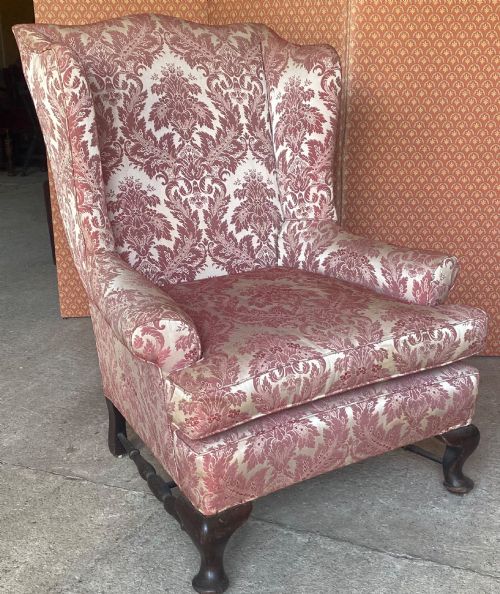
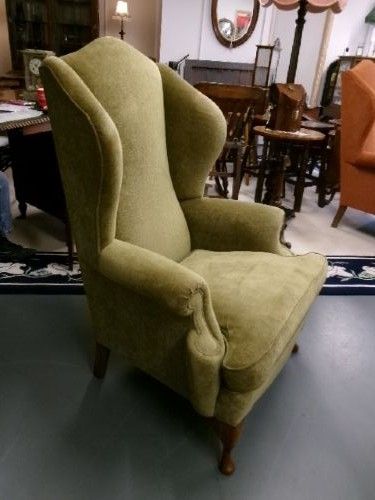
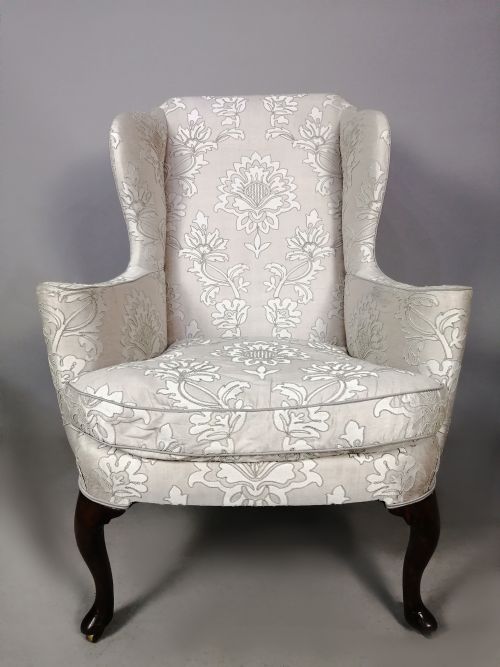
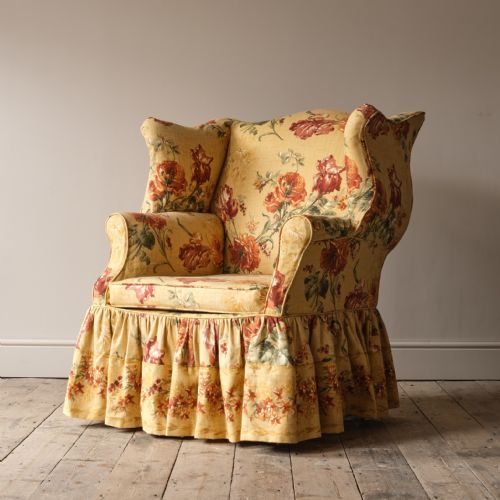
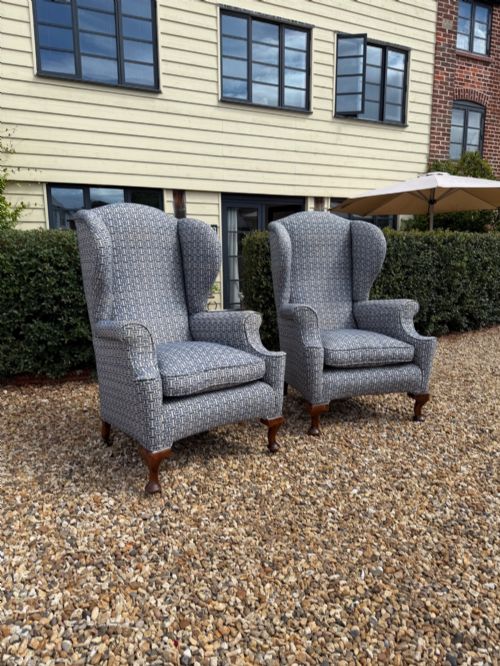
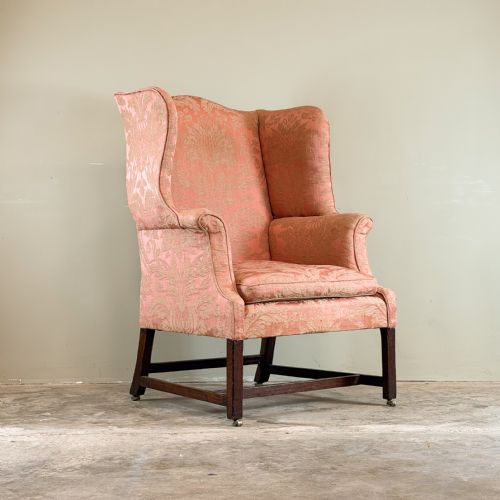
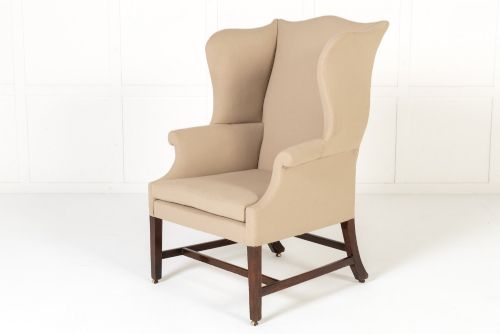
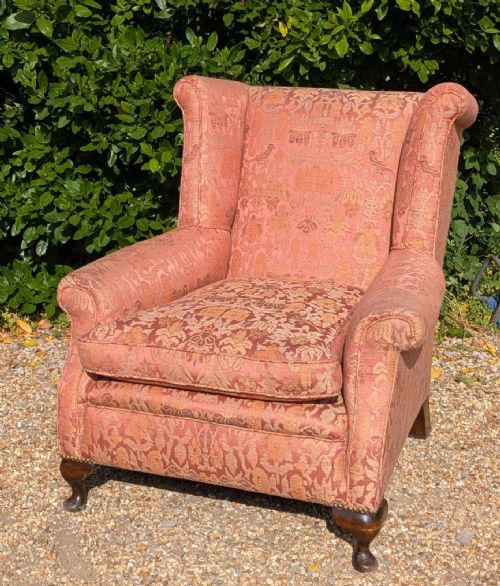
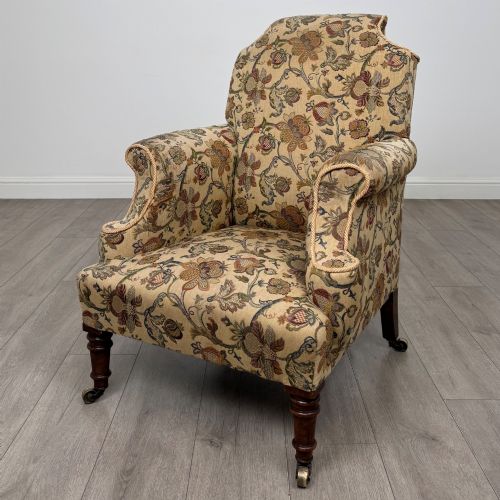
When you search for a traditional english wingback chair, you encounter seating designed centuries ago to shield occupants from draughts and retain heat from a hearth. The examples on this page span the 18th century, Georgian era, Victorian period, Edwardian years, and the early 20th century.
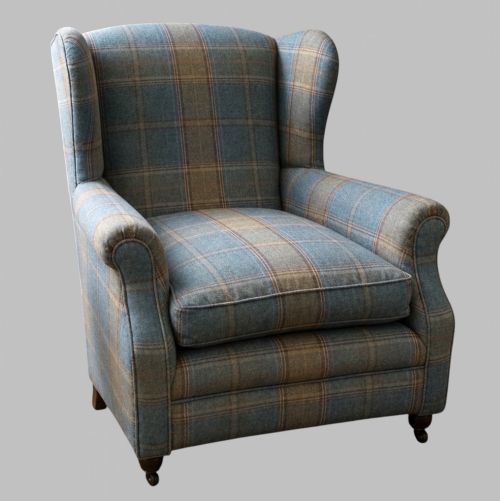
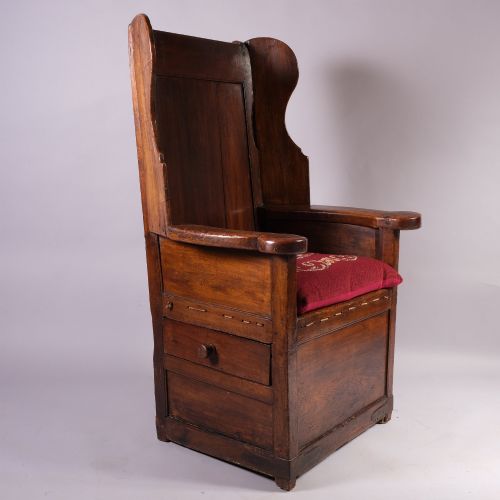
You will most frequently meet pieces upholstered in fabric, leather, velvet, or plaid, standing on timber frames made of mahogany, walnut, or hardwood. These armchairs range from large scale library seating to vernacular lambing chairs and barrel back forms.
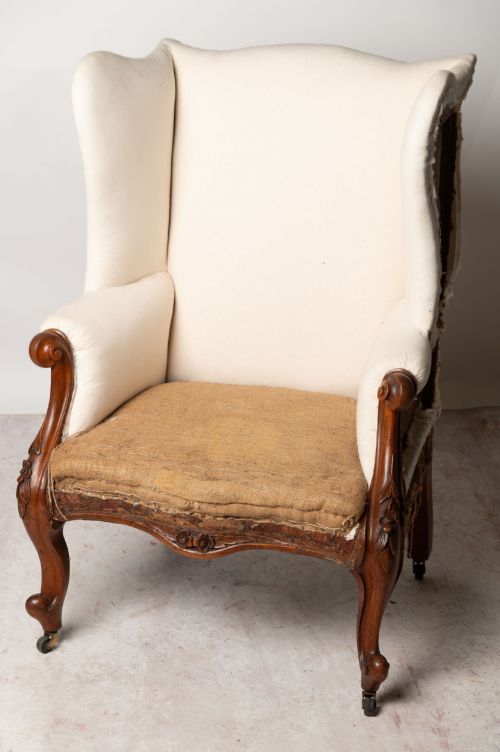
The silhouettes vary from Queen Anne revival styles to George III proportions and English country house designs. Each piece brings a distinct period aesthetic into a room, whether through carved mahogany details or generous upholstered wings.
Quality Variations
The distinction between ordinary and exceptional pieces lies in the integrity of the timber frame and the precision of the upholstery work. Superior items display harmonious proportions, such as generous wing angles and well-balanced height, paired with durable internal stuffing like feathers.
Finer examples maintain original structural elements, from the carved mahogany or walnut components to the specific weave of the leather, velvet, or fabric. The transition from standard vernacular forms to refined Georgian or revival pieces highlights differences in craftsmanship and material selection.
Traditional English Wingback Chair Retail Price Guide 2026
Typical asking prices for traditional english wingback chair among the pieces listed under this phrase on Sellingantiques today, from the lower quarter to the upper quarter. They describe what is for sale here now, not the wider market.
Lambing chairs provided shepherds with enclosed hooded seats to survive freezing winter nights.
The Traditional English Wingback Chair Glossary
- Wingback
- An armchair featuring protective side panels, or wings, designed to shield the sitter from draughts and retain fireplace heat. This form dates back centuries and remains a staple of traditional seating.
- Lambing chair
- A vernacular seating form, often originating in the 18th century, characterised by a hooded or enclosed top designed for warmth. These pieces typically feature wooden frames with simple upholstered elements.
- Barrel back
- A seating design where the back and arms form a single continuous, curved semi-circular enclosure. This style wraps around the sitter for increased comfort and shelter.
- Mahogany
- A durable tropical hardwood widely utilised in furniture making for its rich colour and ability to take fine carvings. It forms the structural base for many 18th and 19th century armchairs.
- Queen Anne revival
- A design movement that reinterprets the graceful curves and cabriole legs popular during the early 18th century. Pieces in this style often appear in later Victorian and Edwardian manufacturing.
Traditional English Wingback Chair: Frequently Asked Questions
What is a traditional english wingback chair?
A traditional english wingback chair is an upholstered armchair featuring characteristic side panels designed to block draughts near a fireplace.
These seats evolved through various periods, including the Georgian and Victorian eras, incorporating materials like mahogany, leather, velvet, and fabric.
How do I identify an 18th century wing chair?
An 18th century wing chair typically displays period specific joinery, timber types like mahogany or walnut, and vernacular forms such as lambing chair designs.
Examining the frame construction and the style of the legs helps distinguish these early pieces from later Victorian or 1930s revivals.
What materials are used for upholstery?
Upholstery materials on these armchairs include leather, velvet, plaid fabric, and standard textiles, often filled with feathers for comfort.
Over the centuries, makers selected these coverings to suit both formal library settings and informal country house interiors.
Where should I place a wingback chair?
These armchairs suit living rooms, studies, and libraries, traditionally positioned near a fireplace or in a quiet reading corner.
Their generous proportions and high backs create a distinct focal point in a room while offering enclosed seating comfort.