


Traditional English Wing Chair
These traditional english wing chairs offer high-backed comfort and draught protection, spanning periods from the eighteenth century to the early twentieth century.
Traditional English Wing Chair
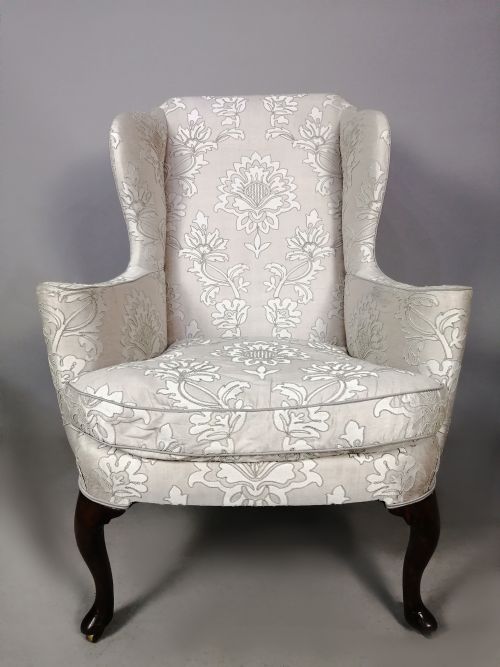
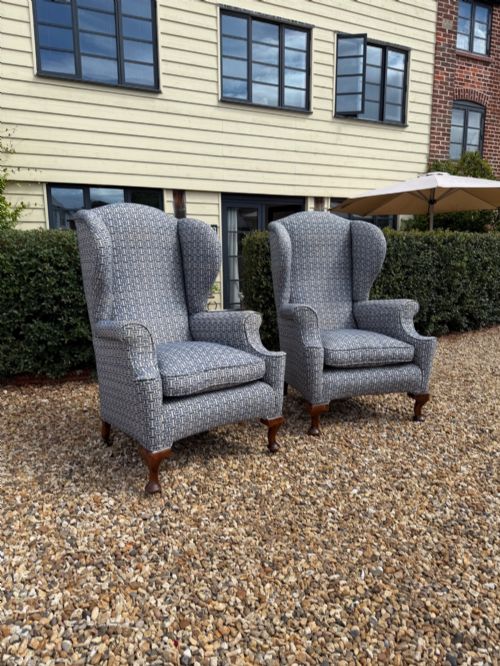
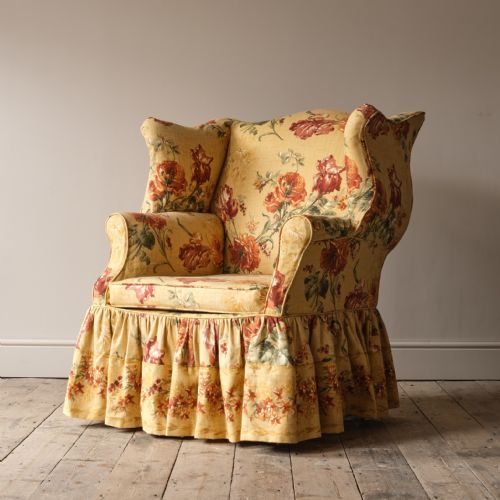
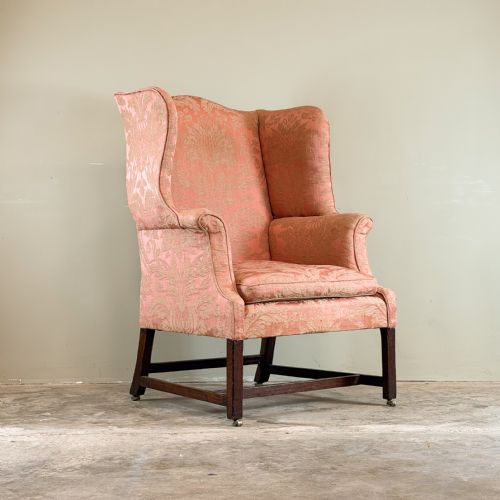
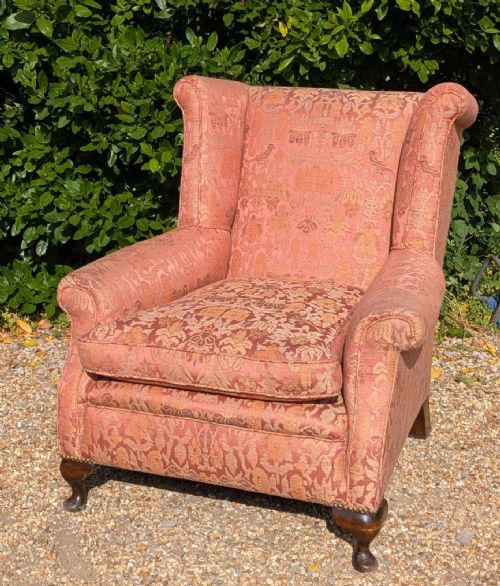
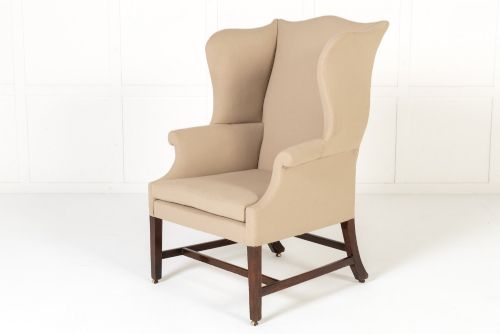
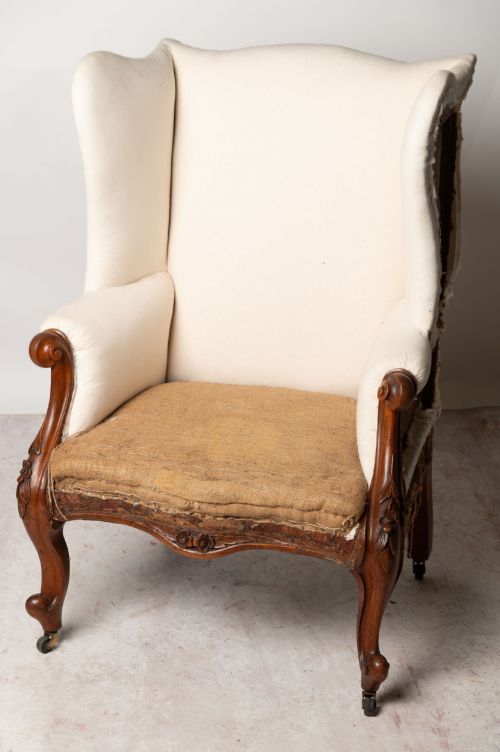
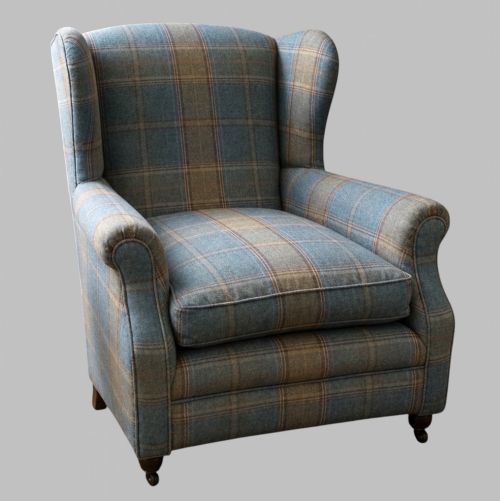
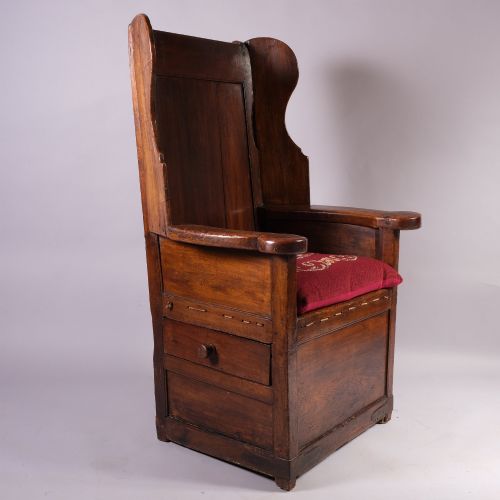
When you search for a traditional english wing chair, you encounter seating designed to shelter the sitter from draughts by enclosing the head and shoulders in protective upholstered sides. The selection includes examples originating across the eighteenth century, nineteenth century, and early twentieth century, alongside specific vernacular forms like the lambing chair.
The versions you meet most frequently on this page date from the nineteenth century and the Georgian period, often constructed with exposed timber legs supporting substantial upholstered frames. Pieces range from large-scale library armchairs to fireside seating upholstered in fabric, leather, or velvet, reflecting diverse regional and domestic uses.
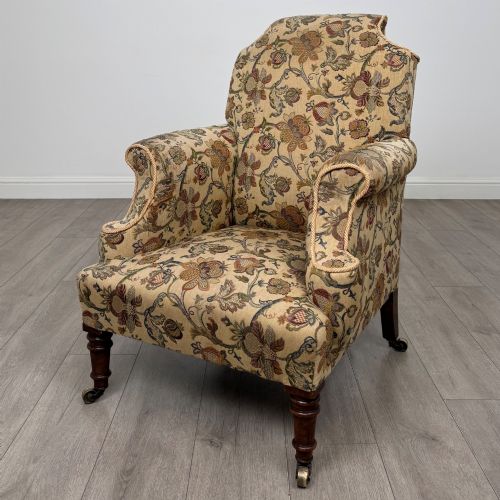
The overarching category embraces standard wingback designs, barrel back armchairs, and Queen Anne revival pieces, each maintaining the characteristic high back and flanking wings. These armchairs function as traditional focal points in period interiors, combining structural timber frameworks with deep upholstery.
What varies in quality
Quality in these armchairs rests upon the integrity of the original timber frame and the scale of the piece, with larger or more substantial proportions generally commanding greater presence. The choice of primary material, from dense mahogany to select walnut, dictates the baseline durability and finish of the woodwork.
The execution of the upholstery and the retention of period-appropriate coverings, whether leather, velvet, or tailored plaid, influence the overall character. Finer examples maintain harmonious proportions between the height of the wings and the depth of the seat, supported by sound internal construction.
Listings span multiple eras from the eighteenth century through the 1930s, utilising mahogany, walnut, leather, velvet, and brass.
The Traditional English Wing Chair Glossary
- Wingback armchair
- An upholstered seat featuring projecting side panels designed to shield the face from fireside heat and cold draughts. This form evolved significantly through the Georgian and Victorian eras.
- Lambing chair
- A vernacular armchair, often originating in the eighteenth century, traditionally constructed with a hooded top and enclosed sides for maximum shelter. These pieces frequently utilise simpler wooden panels alongside upholstered seats.
- Barrel back armchair
- A seating form characterised by a semicircular upholstered backrest that curves continuously into the arms. This design provides enclosed comfort similar to standard wing chairs.
- George III
- A design period spanning the mid to late eighteenth century, associated with refined proportions and the frequent use of mahogany. Pieces from this era display specific classical influences.
Traditional English Wing Chair: Frequently Asked Questions
How do I tell an 18th-century wing chair from a Victorian one?
Eighteenth-century examples generally display lighter framing, specific timber choices like mahogany, and proportions characteristic of the Georgian period.
Victorian pieces often feature heavier construction, bolder revival styles, and different upholstery treatments developed during the nineteenth century.
What is a lambing chair?
A lambing chair is a traditional vernacular seating form from the eighteenth century, featuring an enclosed wooden or upholstered hood.
It was originally designed for use in farmhouses and rural homes to keep shepherds warm during cold winter months.
Are these chairs comfortable for daily use?
Most pieces incorporate deep upholstery and traditional fillings, such as feathers, designed to offer substantial support.
Their high backs and enclosed wings create a sheltered seating position well suited to relaxed reading or fireside resting.
What materials were used for the upholstery?
Original and period-appropriate coverings include leather, velvet, and woven fabrics like Shetland plaid.
Underneath these outer textiles, makers relied on traditional stuffing materials supported by sturdy wooden frames.