







Traditional English Pottery
Traditional English pottery brings functional craft and folk character into your home through utilitarian vessels and earthenware figures.
Traditional English Pottery
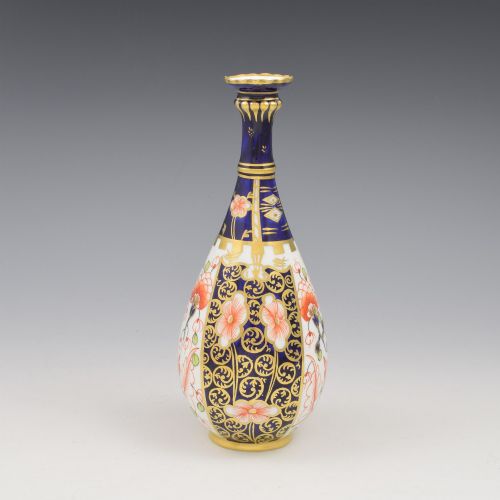
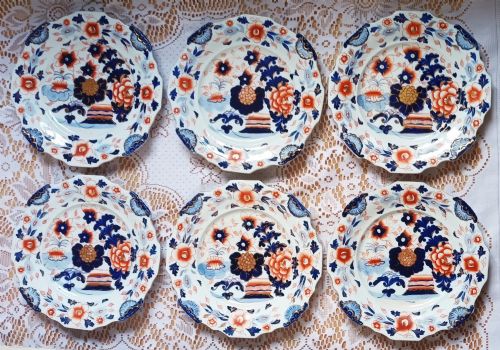
Traditional english pottery encompasses domestic wares and decorative figures made across the Georgian, Victorian, and Edwardian periods.
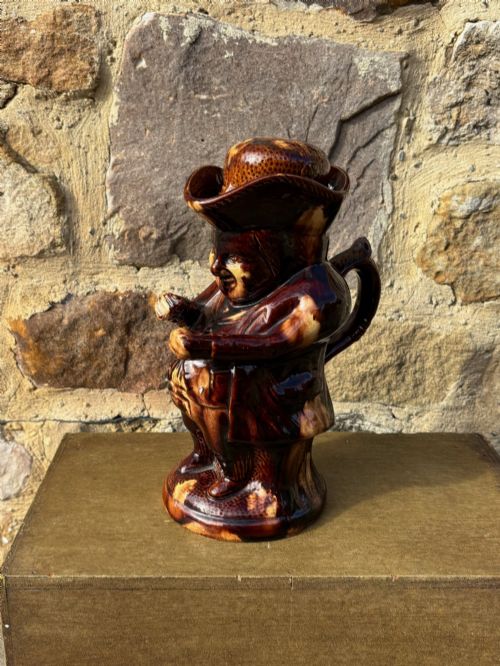
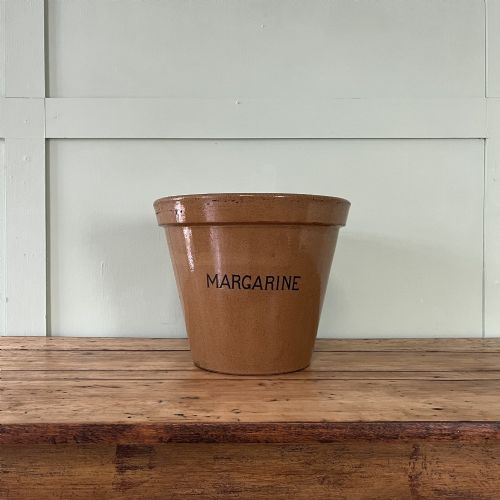
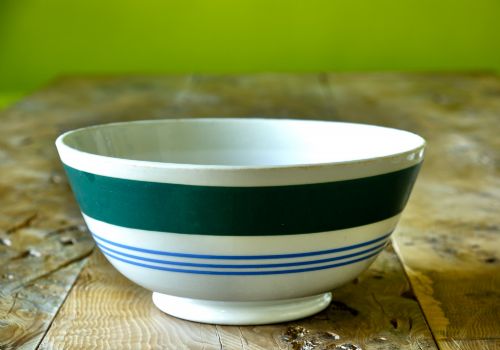
Buyers searching for traditional english pottery frequently encounter utilitarian dairy bowls, storage crocks, and decorative toby jugs.
Materials and construction
Potters utilised local clay, terracotta, and heavy stoneware bodies, shaping vessels on the wheel or pressing figures in moulds.
Surfaces received lead glazes, slip decoration, enamel colours, or salt glazes before firing in traditional kilns.
Traditional English Pottery Retail Price Guide 2026
Typical asking prices for traditional english pottery among the pieces listed under this phrase on Sellingantiques today, from the lower quarter to the upper quarter. They describe what is for sale here now, not the wider market.
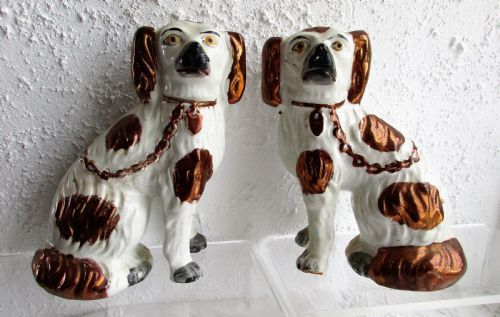
Staffordshire spaniel dogs with glass eyes stare out faithfully from nineteenth-century mantelpieces, ready to guard your hearth without ever needing a walk.
Factors of quality
Quality rests on the crispness of modelling in figural pieces and the evenness of glaze application across utilitarian vessels.
Hand-painted details, well-preserved slip patterns, and original surface patination distinguish finer examples from standard commercial output.
T G Green·Doulton Lambeth·Poole Pottery·William Adams·Wedgwood
The Traditional English Pottery Glossary
- Slipware
- Pottery decorated with a thin mixture of clay and water called slip, applied before firing. This technique creates contrasting patterns beneath a transparent glaze.
- Toby jug
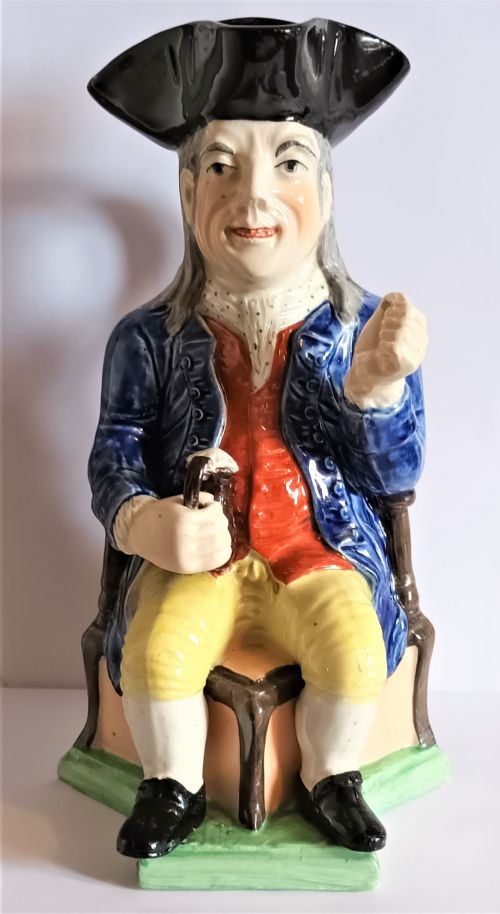
- A pottery jug shaped as a stout, jovial person holding a mug and a pipe, popular in the Georgian and Victorian eras. These figural vessels served both decorative and drinking purposes.
- Tyg
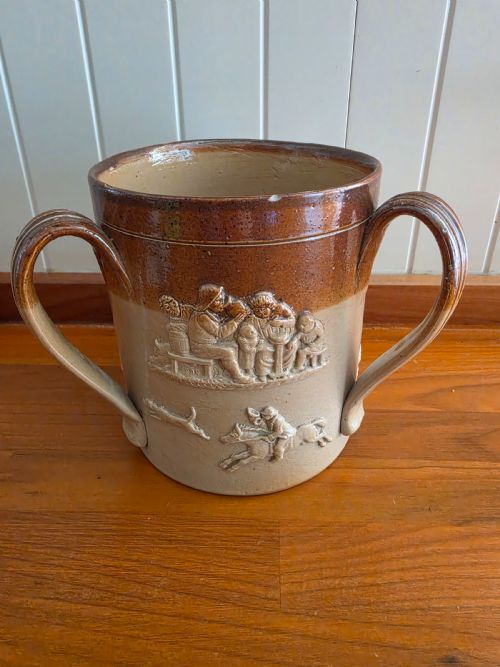
- A large drinking vessel featuring three or more handles, designed for communal passing around a table. Early examples often appear in heavy stoneware or earthenware.
- Stoneware
- A dense, vitreous ceramic fired at high temperatures until non-porous. It resists moisture and acids, making it ideal for storage crocks and dairy bowls.
Traditional English Pottery: Frequently Asked Questions
How do I date traditional english pottery?
Dating relies on stylistic markers, manufacturing techniques, and glaze types characteristic of specific periods such as the Georgian or Victorian eras.
Markings, stampings, and body composition further narrow down the decade of production.
Were toby jugs used for drinking?
Toby jugs served both as functional vessels for ale and as decorative ornaments in homes and taverns.
Their humorous depictions made them popular conversation pieces during social gatherings.
How should I clean antique earthenware?
Clean antique earthenware gently with a dry or barely damp soft cloth to protect vulnerable glazes.
Avoid soaking porous bodies or using harsh detergents that might damage historic surfaces.
What is the difference between earthenware and stoneware?
Earthenware is fired at lower temperatures and remains porous unless glazed, whereas stoneware is fired hotter until vitrified.
Stoneware offers greater durability and liquid resistance, making it standard for utilitarian kitchen storage.