




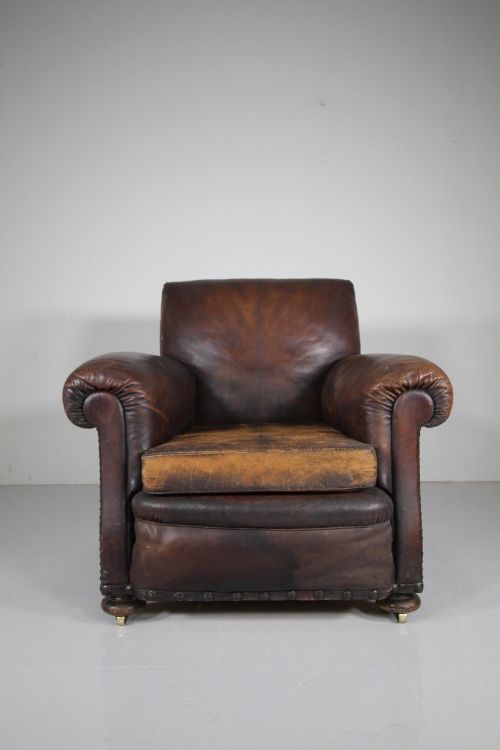
Traditional English Lounge Chair
A traditional english lounge chair brings deep-seated comfort and understated country house character into a room, spanning the nineteenth century through the 1930s.
Traditional English Lounge Chair
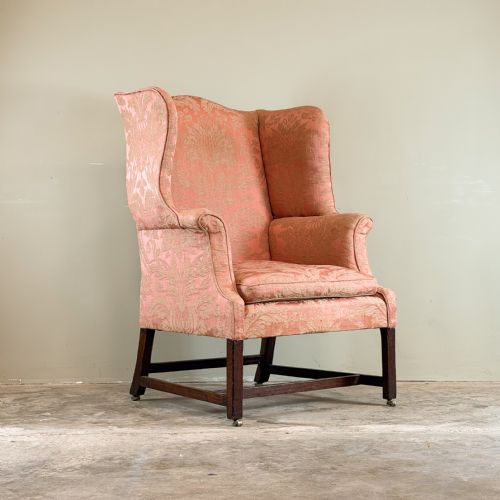
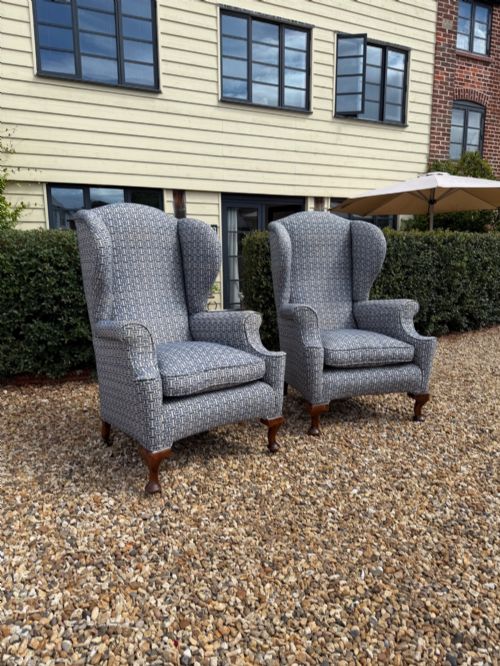
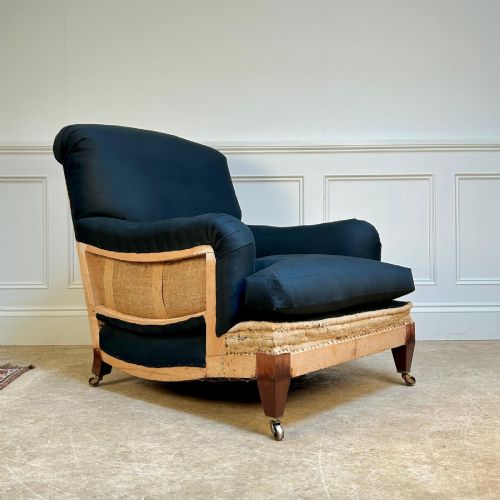
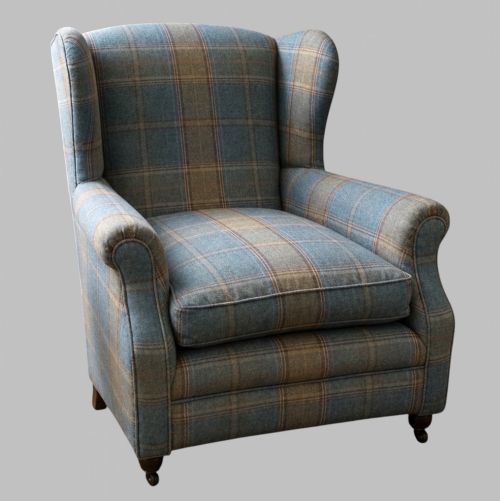
A traditional english lounge chair encompasses large upholstered armchairs, wingbacks, and library seating designed for sustained comfort in domestic settings. The pieces seen here draw predominantly from nineteenth century Victorian and Edwardian periods, alongside later 1930s traditional forms.
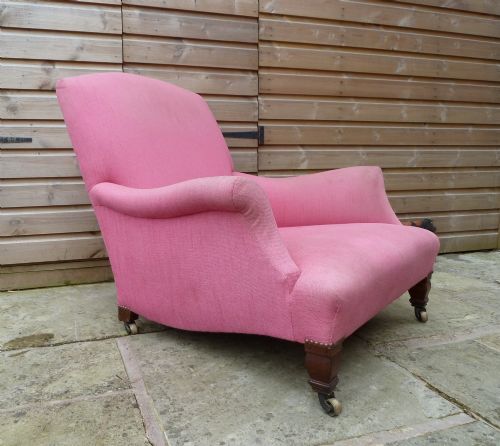
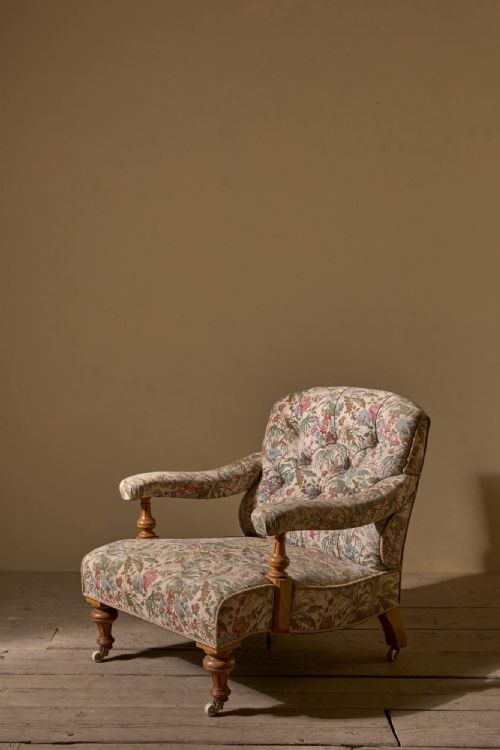
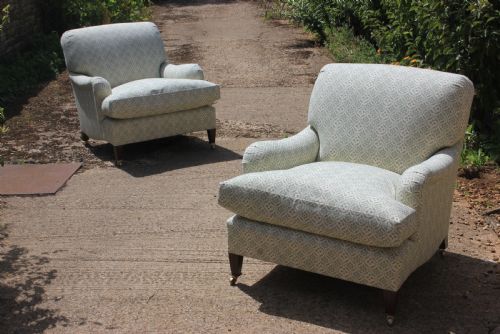
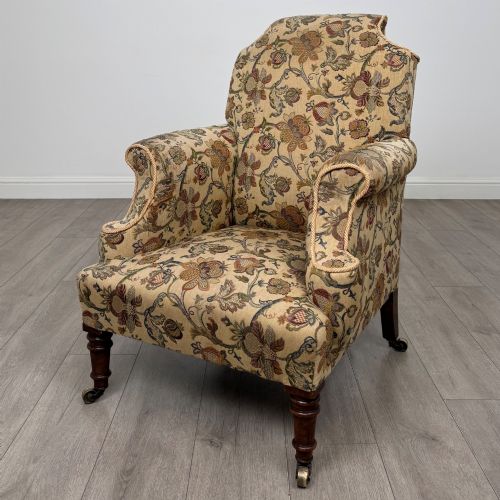
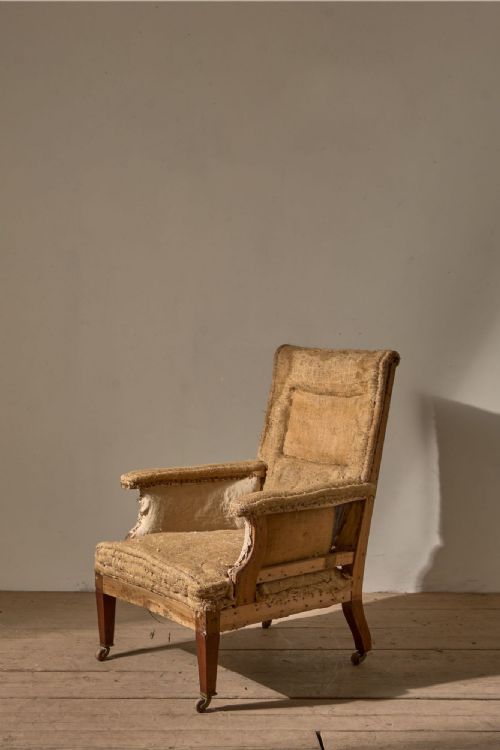
Buyers will frequently encounter deep-seated country house armchairs, scroll backs, and iconic low-slung club designs originally built for relaxed sitting. Open armchairs with mahogany show frames or turned wood legs also appear regularly among the selections.
Origins trace directly to English country house traditions, with several examples reflecting the influential workshop styles of makers like Howard and Sons or Gillows. Daybeds and chaise longues extend the seating options beyond standard armchairs.
How they were made
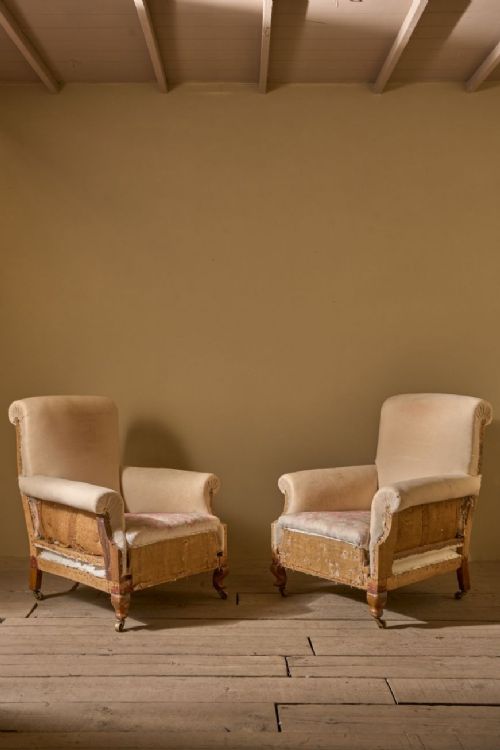
Construction relies upon sturdy hardwood timbers like mahogany and walnut for internal frames and exposed show frames, paired with brass castors on many chair legs. Turnings, such as bobbin details, provide structural decoration on open armchairs and daybeds.
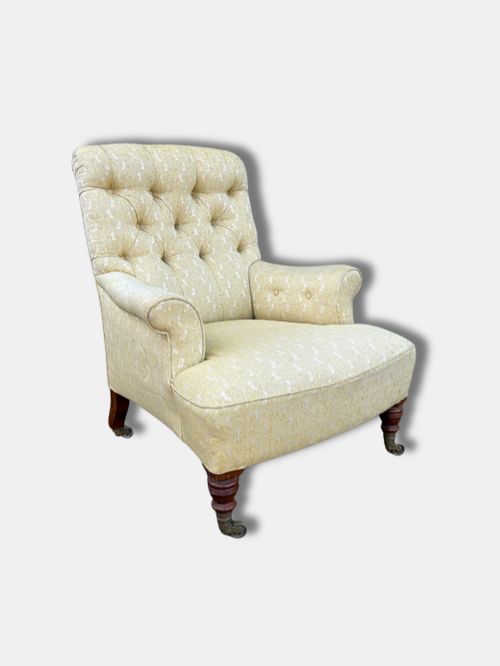
Upholstery techniques involve traditional stuffing, feather filling, and button backing, enclosed in heavy fabrics including cotton, velvet, and wool plaid, alongside supple leather for club chairs. Crewelwork embroidery and patterned textiles frequently finish the exterior surfaces.
Traditional English Lounge Chair Retail Price Guide 2026
Typical asking prices for traditional english lounge chair among the pieces listed under this phrase on Sellingantiques today, from the lower quarter to the upper quarter. They describe what is for sale here now, not the wider market.
Several armchairs arrive with feather fillings so enthusiastic they require a brief sit-down just to restore order.
What varies in quality
Quality rests significantly in the integrity of the underlying timber frame and the depth of the seating proportions, which dictate both longevity and physical comfort. Original maker attribution, particularly to esteemed workshops such as Howard and Sons, alters the standing of a piece considerably.
The sophistication of the upholstery work and the choice of covering materials, from hand-stitched velvet to tailored wool plaid, distinguish standard utility seating from finer country house examples. Retaining original castors, show frames, and period stuffing further elevates a chair's integrity.
Howard and Sons·Gillows
The Traditional English Lounge Chair Glossary
- Wingback
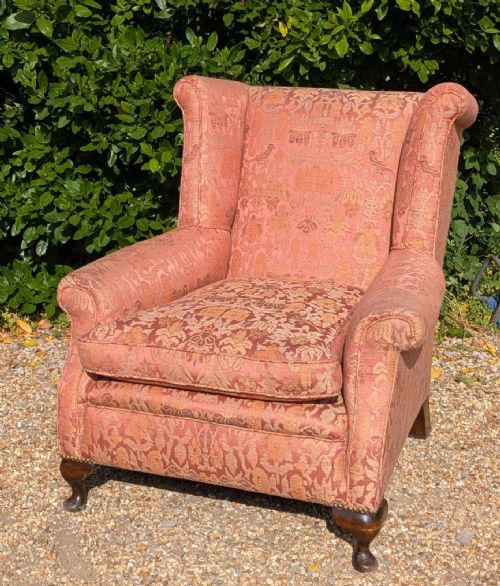
- An armchair with high side panels designed to shield the sitter from draughts near a fireplace. These high-backed seats appear frequently in Victorian and Edwardian variations.
- Show frame
- A wooden structural skeleton left partially exposed around the arms or back of an upholstered chair. Mahogany and walnut are typical timbers used for this purpose.
- Club chair
- A deep, low-slung upholstered armchair traditionally finished in leather. They date largely from the late nineteenth century and the 1930s.
- Bobbin
- A type of turned wood decoration resembling a string of spools, found on nineteenth century open armchairs and daybeds. This turned detail adds tactile interest to the hardwood frame.
- Crewelwork
- Embroidery executed with wool yarn on a plain woven fabric base. Victorian examples utilise this technique for decorative upholstery panels.
Traditional English Lounge Chair: Frequently Asked Questions
What defines an English country house armchair?
These armchairs prioritize generous proportions and deep seating designed for relaxed lounging rather than formal posture. They often feature generous feather filling and traditional patterned upholstery.
Their aesthetic leans toward comfort and understated elegance, fitting naturally into residential living spaces without appearing overly rigid.
How do I identify a Howard and Sons chair?
Look for low, deep proportions paired with swept scroll arms and sturdy turned legs terminating in brass castors. Many carry specific upholstery styles and maker stamps on the frame or castors.
They represent a benchmark of nineteenth century English upholstery comfort and structural craftsmanship.
Are leather club chairs comfortable for daily use?
Leather club chairs from the 1930s offer exceptionally deep seating and supportive sprung interiors suited for daily sitting. The supple leather softens gracefully over decades of use.
They combine robust hardwood framing with resilient padding to maintain physical support.
Where should I place a wingback chair?
Wingback chairs suit reading corners, libraries, and living room fireplaces where their high side panels provide a sense of enclosure. Their vertical presence anchors room layouts effectively.
Pairing them with a low ottoman or placing them near bookshelves creates a practical resting spot.