






Traditional Earthenware Bowl
A traditional earthenware bowl brings tactile warmth to a kitchen, offering robust utility and simple historic charm.
Traditional Earthenware Bowl
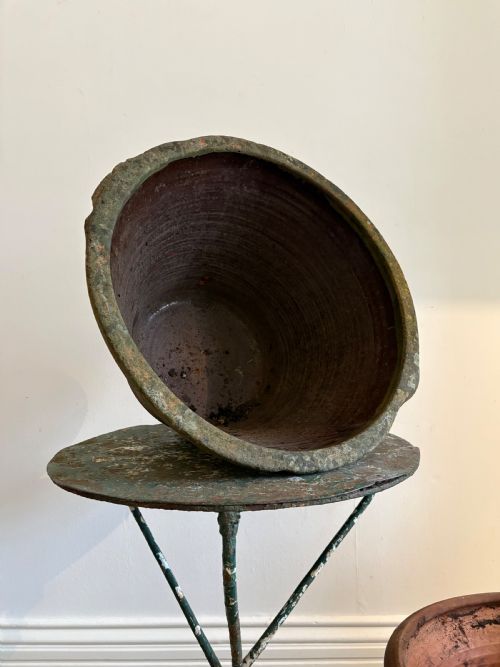
A traditional earthenware bowl encompasses practical dairy vessels, mixing pieces and washware originating from the nineteenth and early twentieth centuries. These domestic objects emerge from Victorian and Edwardian domestic spaces, displaying the robust forms typical of English country and rustic farmhouse traditions.
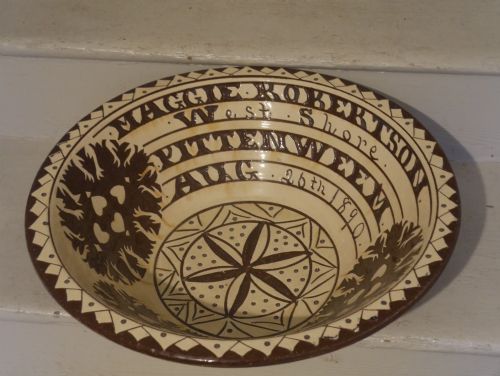
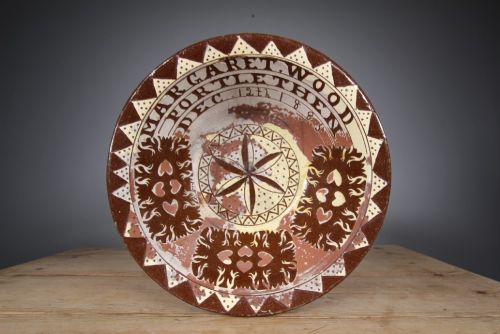
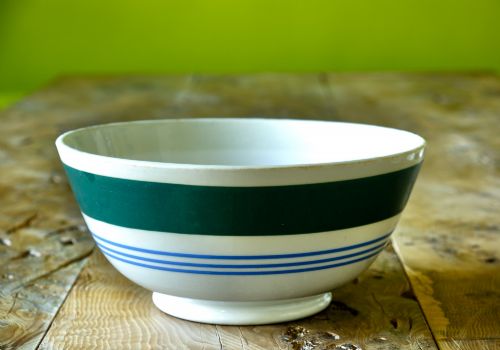
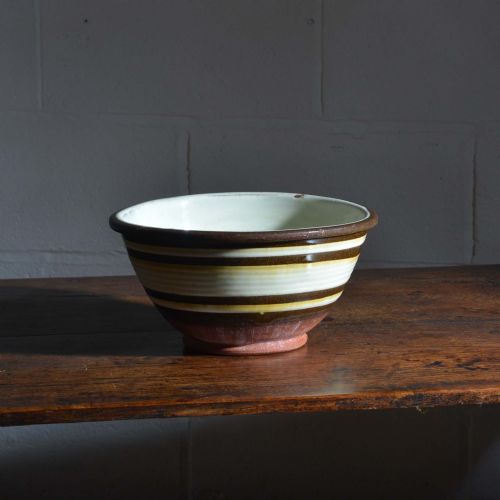
The pieces appearing on this page range from utilitarian dairy bowls with glazed interiors to patterned wash basins and decorative bowls. Collectors encounter regional pottery from makers like Seaton Pottery and Mann and Co alongside unbranded country wares.
Most examples serve specific historic kitchen and washing functions, featuring heavy terracotta or ceramic bodies designed for daily wear. Their enduring appeal lies in this combination of honest domestic utility and regional nineteenth-century craftsmanship.
Materials and construction
Makers shaped these vessels from earthenware and terracotta, building heavy bodies suited to farm and kitchen tasks. Artisans then applied lead glaze to the interior surfaces of dairy and mixing bowls to ensure the porous clay could hold liquids safely.
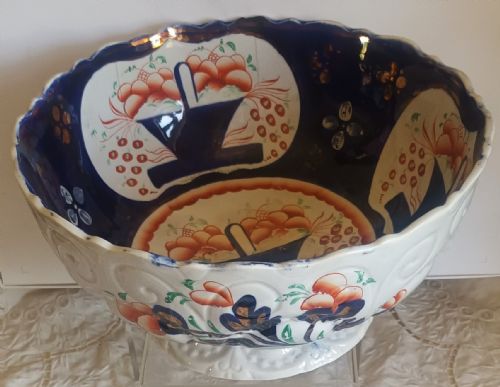
Decoration often involved slip glazes, spongeware applications, or enamelled patterns like the Gaudy Welsh styles found on Victorian basins. Some pieces incorporate gold leaf or hand-painted motifs to elevate domestic washware into decorative objects.
A nineteenth-century dairy bowl once held milk for skimming, yet today it happily hosts car keys on a hallway table.
Assessing quality and character
Quality in a traditional earthenware bowl depends upon the integrity of the glaze and the boldness of the applied decoration. Pieces featuring rich slip glazes or distinct patterns such as the Celyn design display superior aesthetic merit.
The thickness and stability of the heavy terracotta or ceramic body dictate the physical presence of the vessel. Greater skill is evident in well-balanced throws and intact interior glazes that have survived decades of dairy or washhouse use.
Seaton Pottery·T G Green Pottery·Mann and Co·Verwood
The Traditional Earthenware Bowl Glossary
- Earthenware
- Porous pottery fired at lower temperatures, requiring a glaze to become impermeable to liquids. It forms the heavy body of most nineteenth-century kitchen vessels.
- Slipware
- Pottery decorated with slip, which is a liquid clay mixture poured or trailed onto the clay body before firing. This technique creates distinctive linear or marbled surface patterns.
- Dairy Bowl
- A wide, shallow vessel utilised on farms for setting milk and separating cream. These typically feature a glazed interior to facilitate easy cleaning.
- Gaudy Welsh
- A style of colourful underglaze and enamel decoration applied to pottery during the nineteenth century. It frequently incorporates cobalt blue, copper lustre, and floral motifs.
- Washware
- Ceramic basins and jugs manufactured for personal hygiene before plumbed bathrooms became common. Sets often include matching soap dishes and slop buckets.
Traditional Earthenware Bowl: Frequently Asked Questions
How were traditional earthenware bowls used?
These vessels served primarily practical roles in nineteenth-century homes and dairies, from setting milk to mixing ingredients and holding wash water.
Larger terracotta examples handled heavy farm labour, while refined ceramic wash basins formed part of bedroom washing sets before indoor plumbing.
Are these bowls safe for food use?
While historic earthenware and lead-glazed surfaces carried utility in past centuries, modern food safety standards require caution with antique kitchenware.
Many collectors prefer to display these pieces as decorative items or use them for dry storage rather than active food preparation.
How do I date a nineteenth-century bowl?
Dating relies on observing material weight, glaze characteristics, and maker attributions found in regional pottery traditions.
Victorian and Edwardian pieces often display specific aesthetic markers, such as transfer-printed patterns or handwritten dates incised into the clay by the potter.
How should I clean my antique bowl?
Careful dusting with a dry cloth or gentle cleaning with mild soap and warm water preserves the historic glaze and earthenware body.
Harsh chemical detergents and modern dishwashers must be avoided to protect fragile nineteenth-century surfaces from degradation.
What is the difference between dairy and wash bowls?
Dairy bowls feature wide, open profiles designed for skimming cream from milk in farm dairies, often showing heavy terracotta construction.
Wash bowls form part of toilet sets, built deeper to hold water for personal hygiene alongside matching pitchers and soap dishes.