



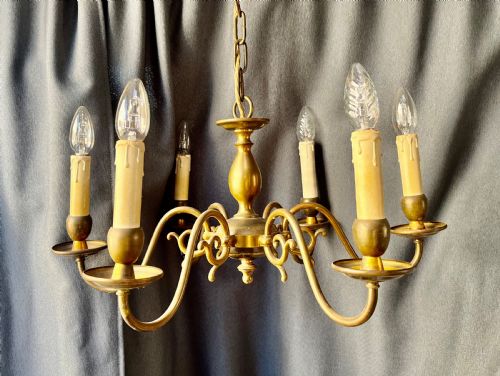
Traditional Dutch Brass Light
A traditional dutch brass light brings warmth and old-world craftsmanship to a room through heavy metalwork and multiple branches.
Traditional Dutch Brass Light
When you search for a traditional dutch brass light, you encounter multi-branched chandeliers, wall sconces, and pendant fittings spanning several centuries of domestic lighting. The items range from genuine eighteenth-century examples to early twentieth-century revivals styled after earlier baroque and Flemish designs.
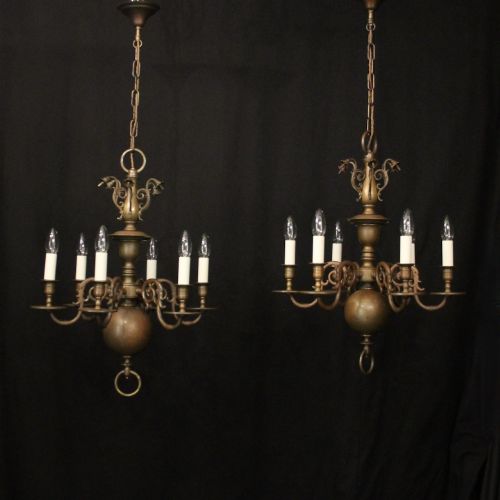
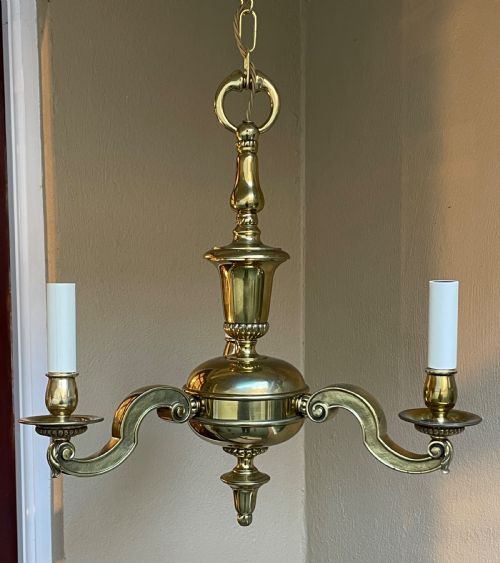
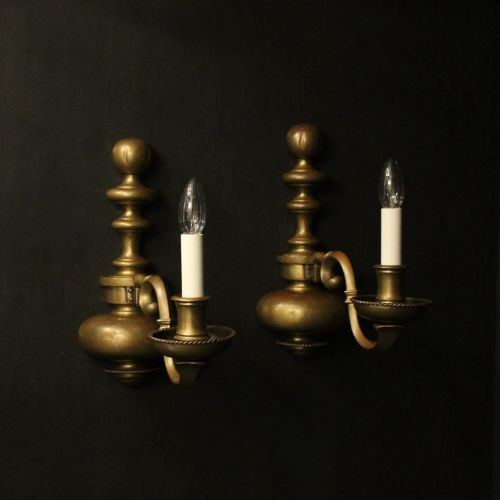
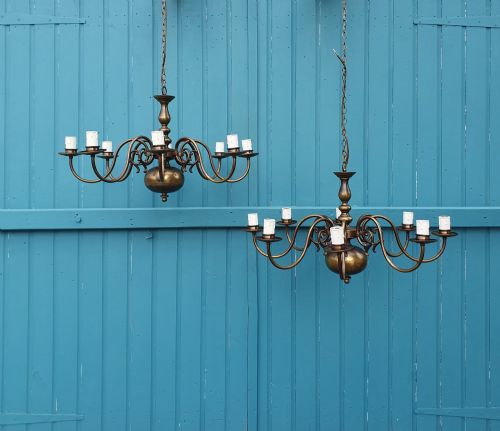
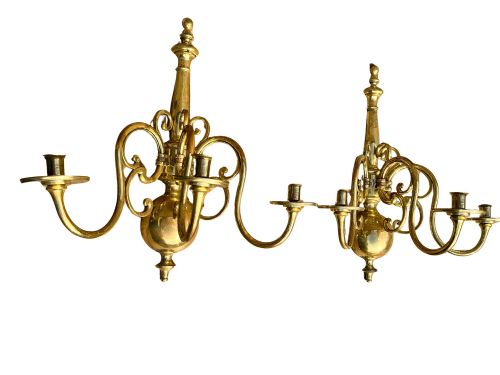
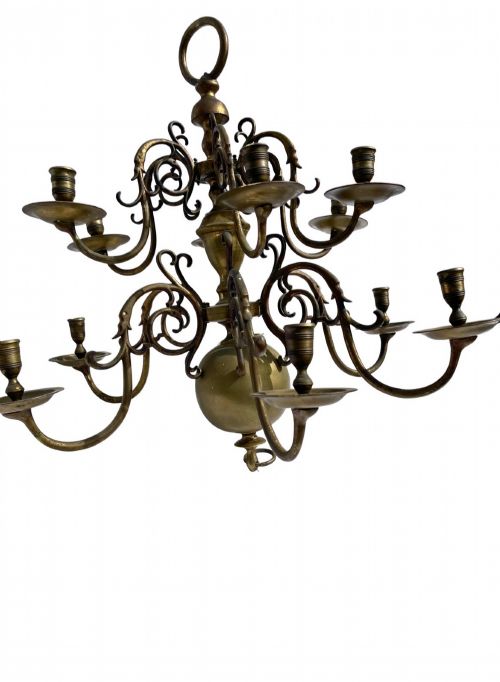
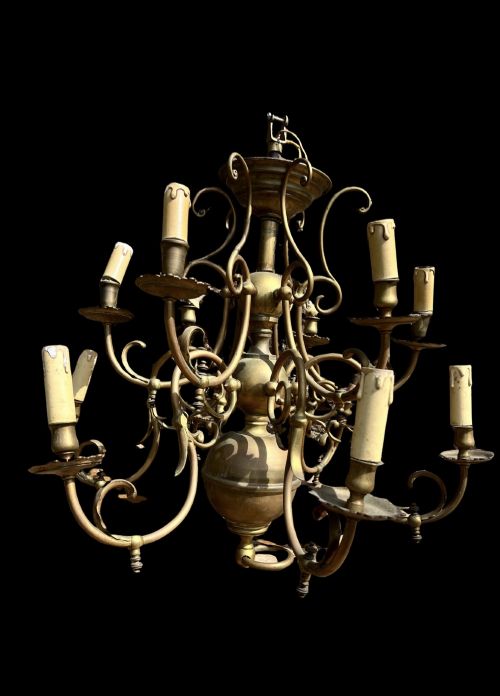
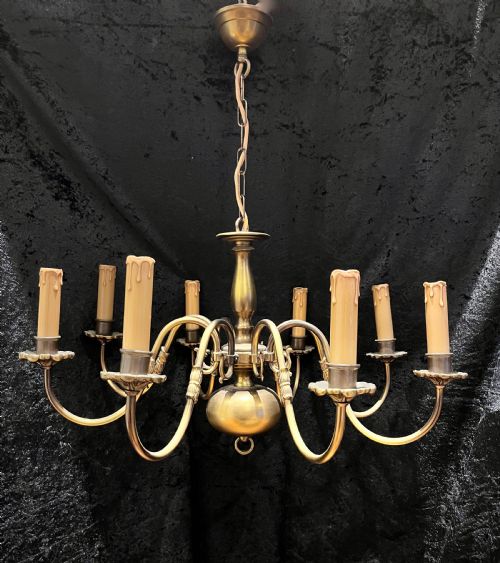
The most common forms on this page are multi-armed chandeliers featuring numerous scroll arms radiating from a central stem, alongside paired wall brackets designed to hold candles or early gas fittings. These fixtures draw upon historical Dutch and Flemish aesthetics, prioritising substantial metal proportions and curving branch structures.
Origins vary between domestic continental workshops and later English interpretations of the same styles, utilising similar materials and manufacturing methods. Buyers typically select these pieces to anchor a period interior with authentic metallic warmth and traditional candle-inspired silhouettes.
How they were made
Makers constructed these fixtures primarily using solid cast brass, bronze, and occasionally copper elements, supplemented by ceramic or earthenware components in related lamp designs. Casting allowed workshops to produce robust central stems and sweeping scroll arms capable of supporting multiple light branches.
Artisans assembled individual cast components by hand, threading or pinning sections together to form rigid multi-tier structures. Finishing involved polishing or texturing the metal surfaces, while certain pieces incorporated applied silver plating over the base brass foundation.
Listings span periods from the eighteenth century through the Edwardian era and the 1930s, featuring solid brass, bronze, copper, and earthenware.
What varies in quality
Quality rests primarily on the crispness of the brass casting and the architectural proportion of the arms relative to the central body. Finer examples exhibit deep, clear detailing along the scrollwork and balanced weight distribution across every branch.
Materials also dictate the grade of the piece, with solid cast brass and heavy bronze assemblies holding greater structural integrity than thinner sheet metal constructions. The integration of period-appropriate components, such as matched drip pans and original fixings, distinguishes superior specimens.
The Traditional Dutch Brass Light Glossary
- Brass
- An alloy of copper and zinc used extensively for its durability and warm golden appearance in historical light fittings.
- Chandelier
- A branched ceiling-mounted lighting fixture designed to hold multiple light sources, historically candles or gas burners.
- Scroll arm
- A curved, S-shaped metallic branch extending from the centre of a fitting to support a candle pan or bulb holder.
- Gasoliere
- A nineteenth-century lighting fixture originally engineered to burn piped coal gas before conversion to electricity.
- Delft
- Tin-glazed earthenware originating from the Netherlands, occasionally found incorporated into related domestic lighting or lamp bases.
Traditional Dutch Brass Light: Frequently Asked Questions
Are these lights wired for modern electricity?
Many historical fittings arrive with modern electrical wiring installed by previous owners, though older acquisitions may require rewiring by a qualified professional to meet current safety standards.
When adapting a candle-form fixture, certified electricians can run discreet internal cords through the hollow brass arms without altering the exterior appearance of the antique.
How can I tell an eighteenth-century piece from a later revival?
Eighteenth-century examples often display hand-finished casting irregularities, distinct tool marks, and construction techniques consistent with period foundry work. Examining the threading, joint fixings, and assembly pins provides clues to the manufacturing era.
Twentieth-century revivals replicate earlier Dutch Baroque styles closely, but standardised internal components and machine-finished threads typically point to a later nineteenth or twentieth-century date.
What ceiling height do I need for a multi-branch chandelier?
Standard installation places the bottom of a chandelier at least seven feet above the floor to ensure adequate clearance for movement underneath. Rooms with higher ceilings accommodate larger multi-tier fixtures with extended drop chains.
Consider the scale of the furniture below the fitting, ensuring the diameter of the chandelier remains proportionate to the dining table or room space.