



Traditional Doorstop
A traditional doorstop holds heavy interior doors open using weight and presence, turning utilitarian iron and brass into sculptural focal points.
Traditional Doorstop
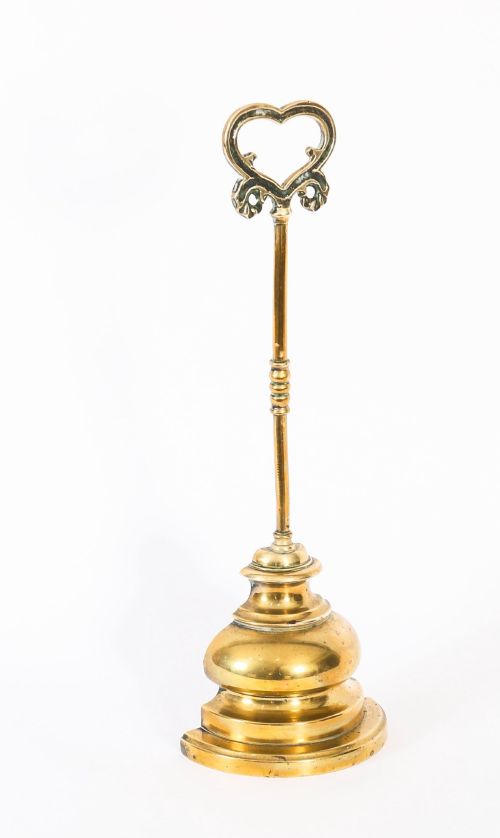
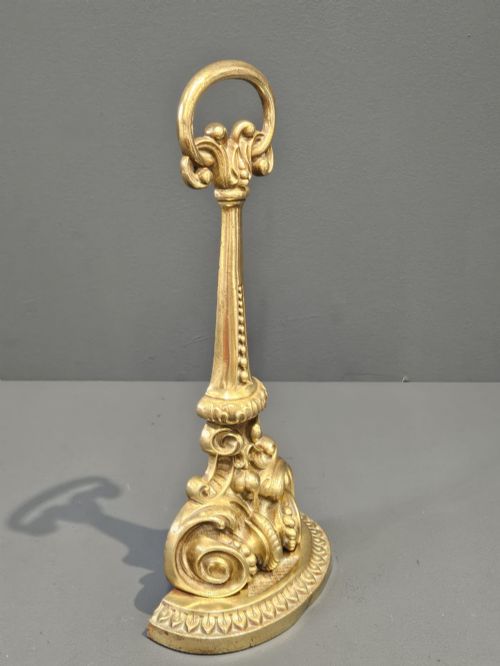
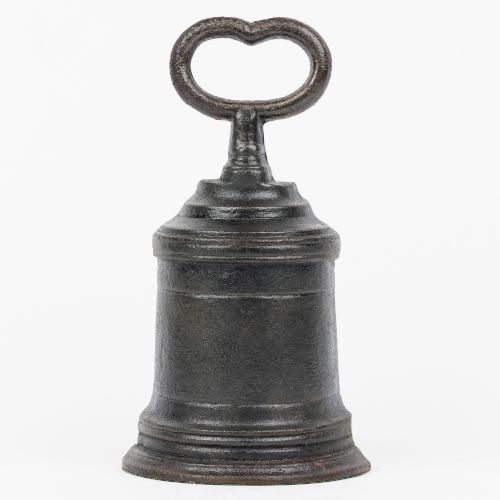
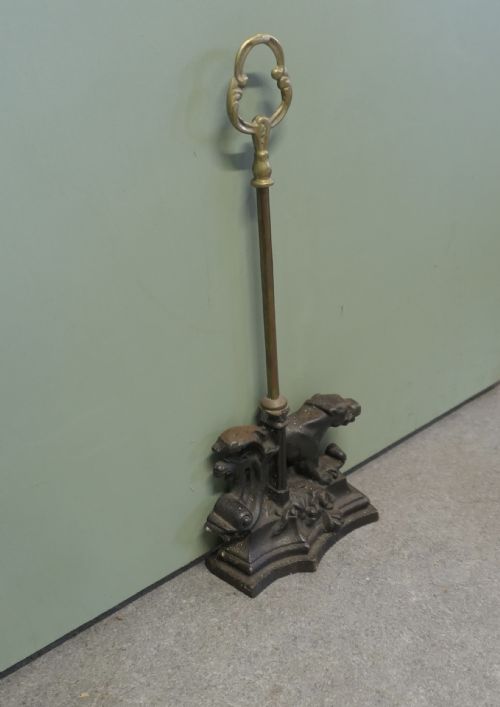
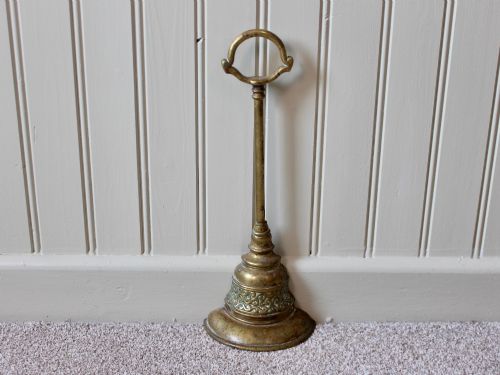
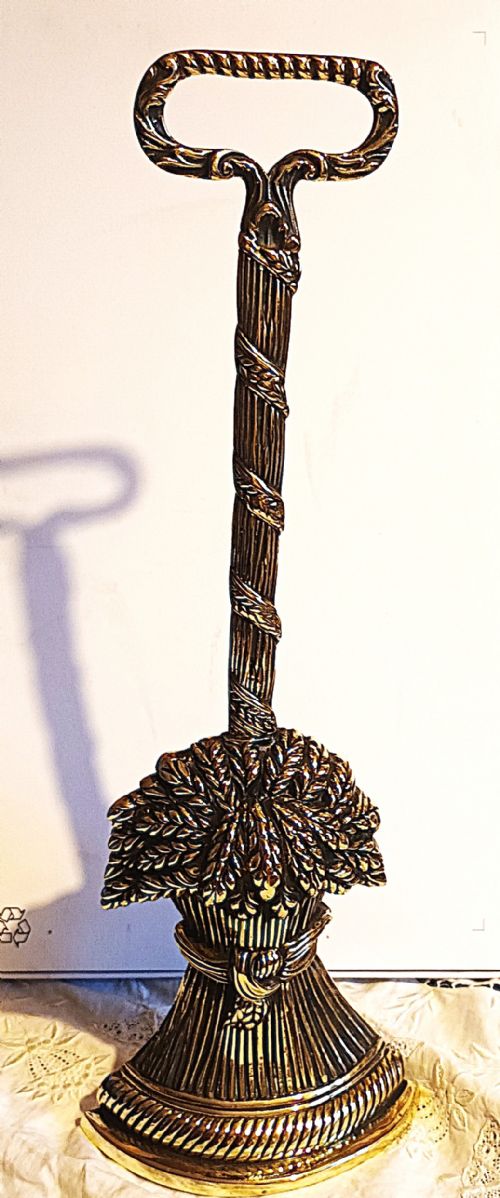
When you search for traditional doorstop, you encounter heavy functional objects designed to keep internal doors from swinging shut unexpectedly. The pieces seen on this page span Victorian, Georgian, and 19th-century periods, taking the form of upright door porters, figurative animals, and character figures.
The most common forms you meet are brass and cast iron door porters alongside figural castings such as lions, foxes, and Mr Punch. These heavy items emerged from British domestic spaces where domestic staff managed draughts and airflow across large rooms.
Originating largely in English workshops, Dutch brass examples and Scottish sporting items also appear within this selection. Each piece combines functional heft with period decorative arts, serving as both a practical household implement and a display object.
Materials and construction
Foundry casting defines how these pieces came together, utilising molten cast iron and brass poured into sand moulds. The resulting heavy metal bodies provide the mass needed to hold open substantial wooden doors.
Surface treatment varied between painted finishes on cast iron and polished or patinated surfaces on brass. Iron examples frequently retained traces of early paint, while brass items relied on the natural warmth of the alloy.
Additional weight was sometimes secured through lead inserts or internal weighting within hollow castings. This ensured the stability of upright door porters and figural stops during daily use.
Listings feature brass and cast iron materials across Victorian and Georgian periods.
Judging quality in metalwork
Weight and structural integrity dictate longevity, as heavier castings maintain better stability against swinging doors. The thickness of the metal and the security of any integrated handle or stem reveal the original maker's investment in materials.
Archibald Kenrick & Sons·Tonks·William Tonks
The Traditional Doorstop Glossary
- Door porter
- A tall, vertical doorstop fitted with an upper handle for carrying. These heavy items were designed to be lifted and moved without bending down.
- Cast iron
- An iron-carbon alloy poured into moulds to create rigid, heavy objects. It accepts paint readily and forms the base for many utilitarian items.
- Cast brass
- A copper and zinc alloy shaped through foundry casting. It offers corrosion resistance and a bright metallic finish that deepens in tone over time.
- Regency
- A British design period spanning the early nineteenth century. Pieces from this era often display classical restraint and clean proportions.
- Patina
- The surface sheen and colour acquired by metal through age and handling. This gradual transformation indicates authenticity and long use.
Traditional Doorstop: Frequently Asked Questions
How heavy should a traditional doorstop be?
A proper door porter or figural stop needs sufficient mass to hold heavy interior doors against draughts. Most weigh several kilograms to ensure they remain stable in daily use.
Lighter pieces function adequately on interior doors with minimal resistance, while heavier examples suit thick oak or panelled doors.
Were these used in every room?
These items were placed primarily in reception rooms, libraries, and hallways where doors needed to remain open for ventilation and movement.
Bedrooms and private quarters utilised them less frequently, reserving them for high-traffic areas of the household.
Can I polish brass doorstops?
Polishing brass depends entirely on personal preference regarding surface brightness and historical patina. Many collectors prefer to leave the darkened surface undisturbed.
If you choose to clean brass, use a gentle cloth without harsh abrasives to preserve the underlying definition of the casting.
How do I date a cast iron stop?
Dating relies on stylistic clues, mounting methods, and foundry marks rather than precise documentation. Victorian and nineteenth-century pieces often show simpler construction lines.
Comparing the casting sharpness with known period examples helps establish the manufacturing era.